Introduction
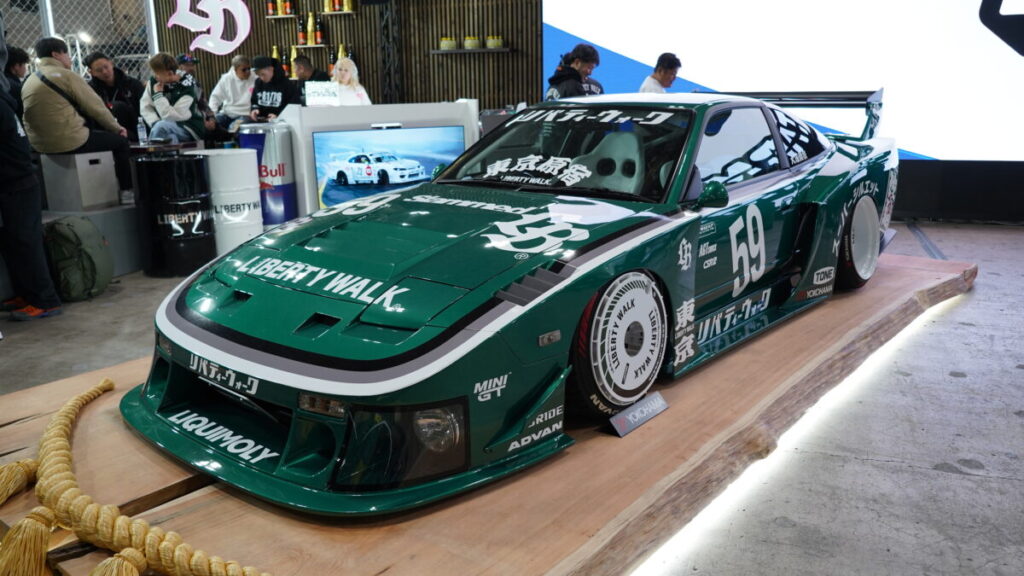
While renting a car for sightseeing has become a staple for travelers in Japan, JDM rentals occupy a special category. From 90s legends to modern masterpieces like the GR Yaris and Civic Type R, driving these machines on the winding mountain roads (touge) and urban expressways where they were conceived is a luxury unique to Japan.
As of 2026, the JDM rental market is more vibrant than ever. With global prices for models like the R34 GT-R skyrocketing, these cars have become “mobile assets.” While this has led to higher rental fees, the quality of service has also evolved. You can now find multi-language booking systems, GPS-guided driving routes, and even guided tours to the famous Daikoku Parking Area (PA), turning a simple rental into a full-scale experience.
Furthermore, there is a growing appreciation for the “monozukuri” (craftsmanship) involved in maintaining these classic cars in peak condition, allowing visitors to experience Japanese automotive history firsthand.
Required Documents and Age Restrictions: The First Step
To drive in Japan, you must meet specific legal requirements. While these apply to all rentals, specialty JDM shops often impose stricter internal rules.
First and foremost, you need an International Driving Permit (IDP). This must be issued in your home country before you arrive in Japan and must conform to the 1949 Geneva Convention format. Note that travelers from certain countries (such as Switzerland, Germany, and France) require an official Japanese translation of their domestic license instead of an IDP.
Age restrictions are also a major factor. While the legal driving age in Japan is 18, most JDM shops require drivers to be at least 23 or 25 years old. Many also require that you have held your license for at least three years. These measures are in place due to the high insurance costs associated with high-performance vehicles.
Crucial: The Security Deposit System
The most critical aspect of renting a JDM car is the Security Deposit. Unlike standard rentals, the extreme market value of these vehicles means shops require a substantial deposit via credit card at the time of pick-up.
- Standard Deposit: Most shops require a deposit of approximately 500,000 JPY.
- Ultra-Rare Models: For high-value icons like the Skyline GT-R (R34), which can be worth tens of millions of yen, the deposit can reach 1,000,000 JPY or more.
This deposit serves as a guarantee for repair costs in the event of an accident or mechanical failure caused by reckless driving. If damage occurs, the repair costs are deducted from this amount. If the car is returned safely and without issue, the deposit is fully refunded. Always ensure your credit card has a high enough limit to cover this “hold” before you arrive.
Iconic Lineup: Which JDM Should You Choose?
The variety of cars available is the highlight of the experience. The lineup generally falls into three categories:
- 90’s Legends: Nissan Skyline GT-R (R32, R33, R34), Mazda RX-7 (FD3S), Toyota Supra (JZA80). These are the definitive symbols of JDM culture.
- Modern Sports: Toyota GR86, GR Yaris, Honda Civic Type R (FL5), Nissan GT-R (R35). These offer modern reliability combined with top-tier Japanese engineering.
- Kei Sports: Honda S660 or Suzuki Alto Works. These unique small-capacity cars are surprisingly fun on tight mountain passes and offer a “only in Japan” experience.
Remember that most JDM sports cars are Manual Transmission (MT) and all are Right-Hand Drive. If you are uncomfortable with a manual gearbox, high-performance automatic (paddleshift) options like the Nissan GT-R (R35) are an excellent alternative.
Booking and Payment: Ensuring a Smooth Process
In 2026, almost all JDM rental services operate on a strictly pre-booked basis. Walk-ins are virtually non-existent. Popular models and weekends often book out months in advance.
The typical process involves:
- Selecting your car and dates on the official website.
- Uploading your IDP/License and Passport photos.
- Choosing insurance options (such as Collision Damage Waiver – CDW).
- Completing the payment, including the aforementioned security deposit.
Most shops require the credit card used for payment to match the name of the driver/renter. Additionally, it is highly recommended to opt for “Non-Operation Charge” (NOC) coverage, which protects you from paying for the lost revenue the shop suffers while a car is being repaired.
Japanese Traffic Rules and Driving Etiquette
When driving in Japan, keep these points in mind:
- Speed Limits: Generally 60 km/h on local roads and 100-120 km/h on expressways. Speed cameras (Orbis) and undercover police are common, and penalties are strict.
- Parking: Street parking is strictly prohibited in cities like Tokyo and Osaka. Always use a designated “Coin Parking” lot. Be careful with low-clearance cars on steep ramps or “flap-style” parking spots to avoid damaging front spoilers.
- ETC Cards: Essential for expressways. Most shops rent these for a small fee, allowing you to pass through tolls wirelessly and pay the total upon return.
Pilgrimage Sites: Daikoku PA and Mountain Passes
For many, the Daikoku Parking Area (PA) in Yokohama is the ultimate destination. On weekend nights, it transforms into a world-class outdoor car show. When visiting, maintain “JDM etiquette”: avoid excessive engine revving or loud music. Respect the local car culture so these spaces remain open for everyone.
The “Touge” (mountain passes) like the Hakone Turnpike or Mt. Akina (Mt. Haruna) from Initial D are also popular. While beautiful, these roads are narrow and challenging. Renting a JDM car is for enjoying the drive, not for racing. Illegal racing or drifting will void your insurance and terminate your rental agreement immediately.
Returning the Vehicle: Completing the Journey
The golden rule in Japan is to return the car with a full tank of gas. Most JDM sports cars require High Octane (Premium) fuel. Ensure you use the yellow nozzle at the gas station and keep your receipt, as the staff may ask to see it.
Upon return, a staff member will inspect the car for new scratches or wheel scuffs. Being honest about any minor incidents during the trip is the best way to handle the situation professionally. Once the inspection is clear, the refund process for your security deposit will be initiated.
[The Hottest Experience] Driving Dream Sports Cars in Japan with JDM TOUR
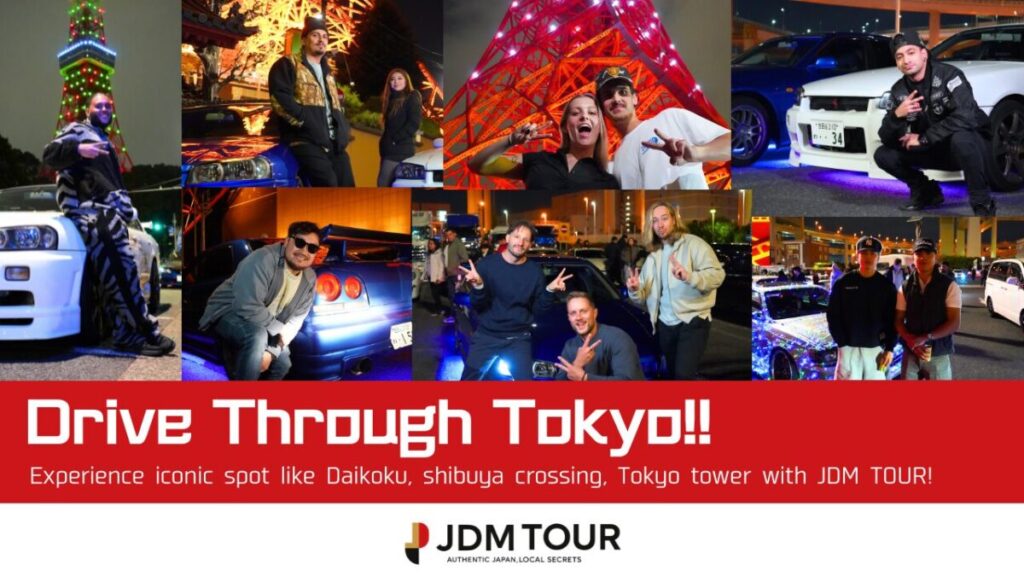
While standard rentals are practical, a new trend has exploded among car enthusiasts visiting Japan: renting “JDM” (Japanese Domestic Market) cars through specialized services like JDM TOUR.
The New Standard of Japan Travel: Public Roads in the Movie
The experience of being able to rent sports car japan is no longer just about driving; it has evolved into an "attraction" that transforms Japan's public roads into a real-life game world. In recent years, an exploding trend among international travelers is enjoying the act of driving through Japanese cities itself as a form of entertainment.
Specifically, commanding JDM machines such as the Nissan GT-R or Toyota Supra against the backdrop of Tokyo’s iconic landmarks is no longer just transportation; it is positioned as a participatory "activity." Just as cosplay driving tours have emerged, this integrated experience of car and city overturns conventional tourism, offering unforgettable, highly shareable memories that light up social media feeds.
This new style of journey, facilitated by exotic car rental tokyo services, has transformed from merely pursuing speed into a means of experiencing unforgettable "play." It allows you to deeply engage with Japan's unique culture and landscapes, creating an adventure that goes beyond traditional sightseeing.
Why is JDM So Popular Right Now?
Legendary sports cars manufactured in Japan during the 1990s and early 2000s—such as the Nissan Skyline (R34), icons for fans worldwide. For many, driving these cars on the actual roads they were designed for is a bucket-list experience that surpasses any standard sightseeing tour.
The Unique Charm of a JDM TOUR
JDM TOUR offers more than just a “car rental”; it provides a deep dive into Japanese car culture.
- The Pilgrimage to Daikoku PA: The highlight of many tours is driving to the Daikoku Parking Area on the Shuto Expressway. At night, this spot transforms into a gathering place for hundreds of beautifully customized cars, creating a vibrant atmosphere that is world-famous.
- Professional Guided Convoys: Driving a right-hand-drive manual car through the complex Shuto Expressway can be daunting. JDM TOUR offers plans where a professional guide leads the way in a lead car, ensuring you stay on the right path safely.
- Photography and Content Creation: The guides know the best “insta-worthy” spots, such as the Shibuya Crossing, Tokyo Tower, and Rainbow Bridge, allowing you to capture professional-quality memories with your dream car.