What is the Legendary “Daikoku Parking Area”?
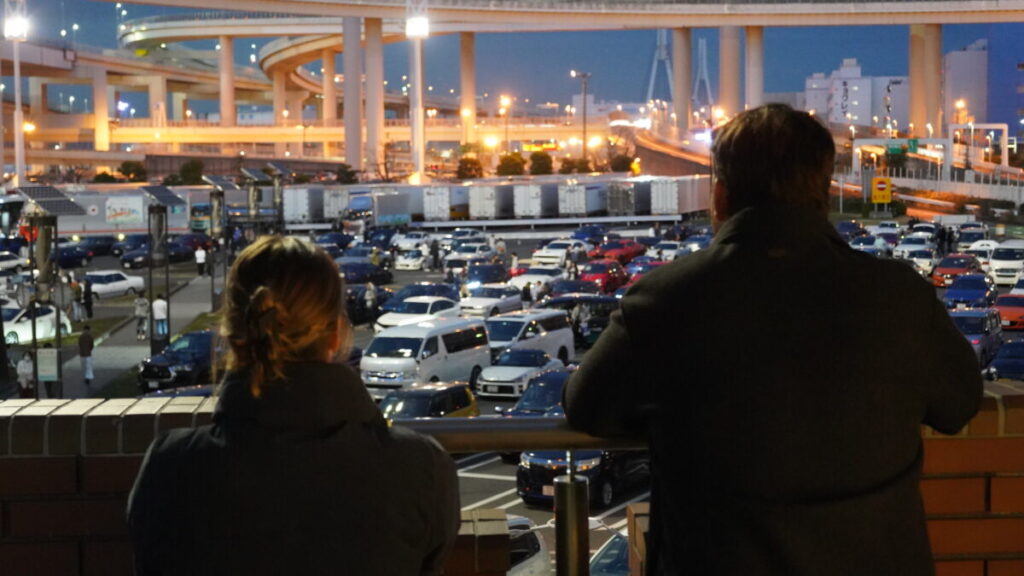
Located at the intersection of the Metropolitan Expressway Kanagawa Route 5 Daikoku Line and the Bayshore Route (Wangan), “Daikoku Parking Area (Daikoku PA)” is far more than a simple rest stop. It is hailed by car enthusiasts worldwide as the “Holy Grail of JDM (Japanese Domestic Market)” culture—a living automotive museum where Japan’s unique car scene converges.
Originally designed as a massive facility due to the complex nature of the highway junction, its accessibility and vast space naturally made it a gathering spot for custom cars over the decades. From the era of the “Kanjozoku” and “Wangan” top-speed runners in the 1990s to the modern age of social media, it has evolved into a premier tourist destination that international visitors place at the top of their Japan bucket lists.
Here, you’ll find more than just people stopping for a break; it’s a social hub where owners showcase their prized machines, talk shop with like-minded enthusiasts, and spectators witness a unique cultural order in real-time.
What’s Happening at Daikoku PA in 2026?
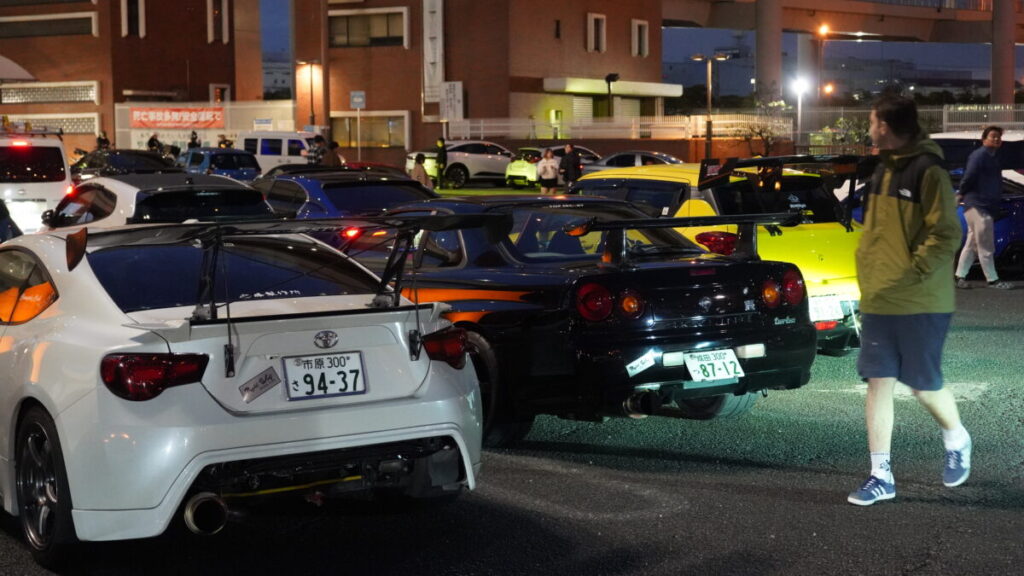
As of 2026, Daikoku PA is experiencing an unprecedented level of popularity while simultaneously facing a major turning point. The most striking change is its “Overwhelming Globalization.” While it was once a closed-off space for Japanese street racers, it is now common to find that nearly half of the crowd consists of international tourists.
However, this popularity has brought challenges. The most pressing issues are “Noise and Revving Complaints” and “Frequent Closures due to Overcrowding.” As a result of excessive audio systems, constant engine revving, and improper parking manners, enforcement by the police and the Metropolitan Expressway Co., Ltd. has become extremely strict.
In 2026, the presence of physical barricades, drone surveillance, and rumors of advanced noise-detection systems define the reality of the PA. While it remains a vibrant social space, it constantly teeters on the edge of a “complete shutdown” for the night.
Incredible Diversity: The Types of Cars You’ll See
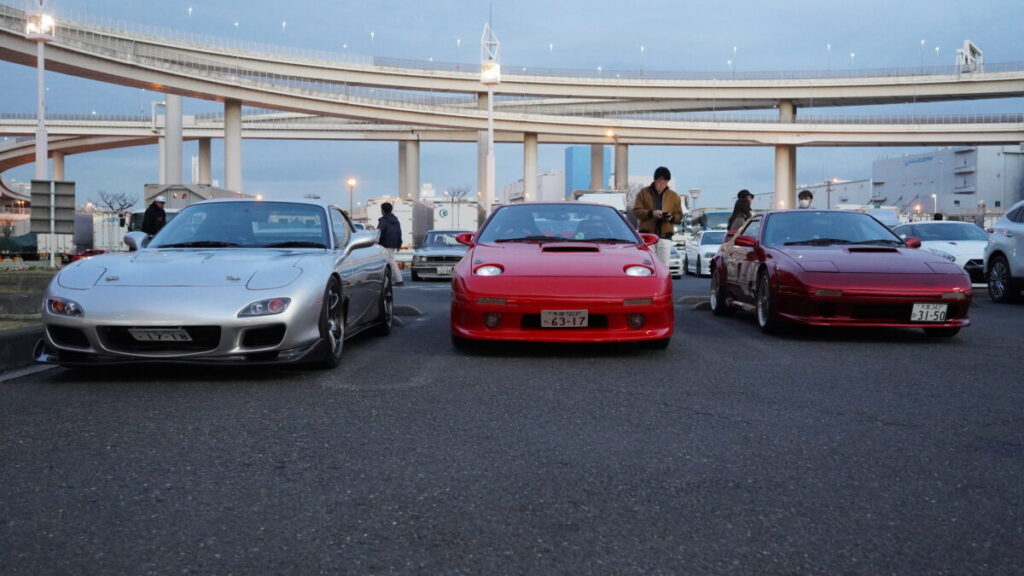
The greatest allure of Daikoku PA is the sheer variety of automotive genres. On any given night, you might encounter:
- JDM (Japanese Sports Cars): The undisputed stars. From the golden era legends like the Nissan Skyline GT-R (R32/R33/R34), Toyota Supra, Mazda RX-7, and Honda NSX to modern icons like the GR86 and Civic Type R, you’ll see meticulously maintained examples of every kind.
- Supercars: Lamborghinis, Ferraris, and McLarens. These aren’t just stock vehicles; the “Japanese-style supercars” featuring flashy LEDs and unique wraps are a massive hit with international fans.
- Classic Cars & Kaido Racers: Vintage “Hakosuka” or “Kenmeri” Skylines, and even “Showa-retro” customs with “Takeyari” (bamboo spear) exhausts, represent the deep subcultural roots of Japan.
- USDM & Lowriders: A Japanese interpretation of American custom culture, sometimes featuring hydraulic performances that draw massive crowds.
- Neo-Classics: 90s sedans and compact cars restored with a modern touch, a trend rapidly growing among the younger generation of owners.
The sight of all these styles coexisting in one place is something you can only find at Daikoku.
Essential Etiquette: Rules for Every Visitor
To enjoy the culture while ensuring its survival, visitors must follow both the “unspoken rules” and legal requirements:
- No Excessive Revving or Loud Music: This is the primary reason for police shutdowns. To prevent noise complaints from neighboring areas, avoid unnecessary engine noise.
- Do Not Park in Truck Zones: The PA’s primary purpose is for logistics drivers to rest. Occupying truck spots is the quickest way to trigger a police intervention.
- No Littering: Respect the “Holy Grail” by keeping it clean.
- Photography Etiquette: It is polite to ask the owner before taking photos or to ensure license plates are blurred if posting online.
- Avoid Long Stays: When crowded, it’s best to move along and let others enjoy the space.
Avoid the Shutdown! Latest Apps and Closure Patterns
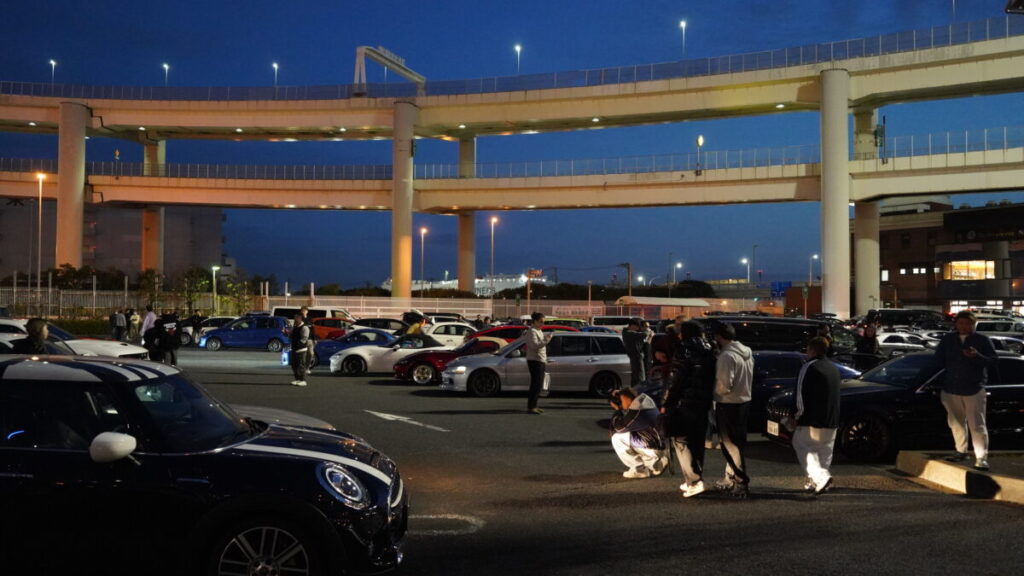
There is nothing more disappointing than arriving at Daikoku only to find the entrance blocked by police. Fortunately, in 2026, there are ways to check the status in real-time.
Essential Tools for Checking Closures
An app was launched this past February that tracks the closure status of parking areas (PAs) near Tokyo, which are popular spots for car meets. You can check it out via the URL provided.
The app allows you to see real-time congestion levels and read comments from people currently at major locations like Umihotaru, Daikoku PA, and Tatsumi PA. Since most users are local Japanese car enthusiasts, you can use a translation tool to get a clear sense of the current atmosphere and situation at each spot. Definitely give it a try!

Common Closure Times
Updated Section: Closure Patterns and Peak Hours
The timing of closures and peak congestion has become more specific in 2026. To ensure you don’t miss out, keep the following schedule in mind:
- Friday to Sunday (The Weekend Peak): Crowds begin to form as early as 6:00 PM. The atmosphere reaches its absolute peak around 7:00 PM. Due to the rapid influx of vehicles, police often initiate closures before 8:00 PM. It is critical to check the status well in advance during these days.
- Sunday Mornings: This is a special time when local Japanese enthusiasts gather on their day off. You will see a high concentration of classic cars (Kyusha) and tight-knit car communities. The vibe is slightly more relaxed but very culturally rich.
- Sunday Evenings: As night falls, tour groups and international visitors arrive, creating a melting pot of diverse car styles. Car meets are essentially held throughout the entire day on Sundays.
- Weekdays: Local Japanese owners typically arrive after work. Cars start gathering around 8:00 PM, with the peak of the meet occurring around 9:00 PM.
The Importance of Local Knowledge
It is important to note that there is no guarantee a car meet will be happening at these exact times on any given day. Factors like weather, sudden police crackdowns, or road construction can change everything in minutes.
To navigate these unpredictable conditions, we highly recommend a guided tour led by experts who have a deep understanding of the local scene and real-time status:
How to Get to Daikoku PA: The Ultimate Experience Guide
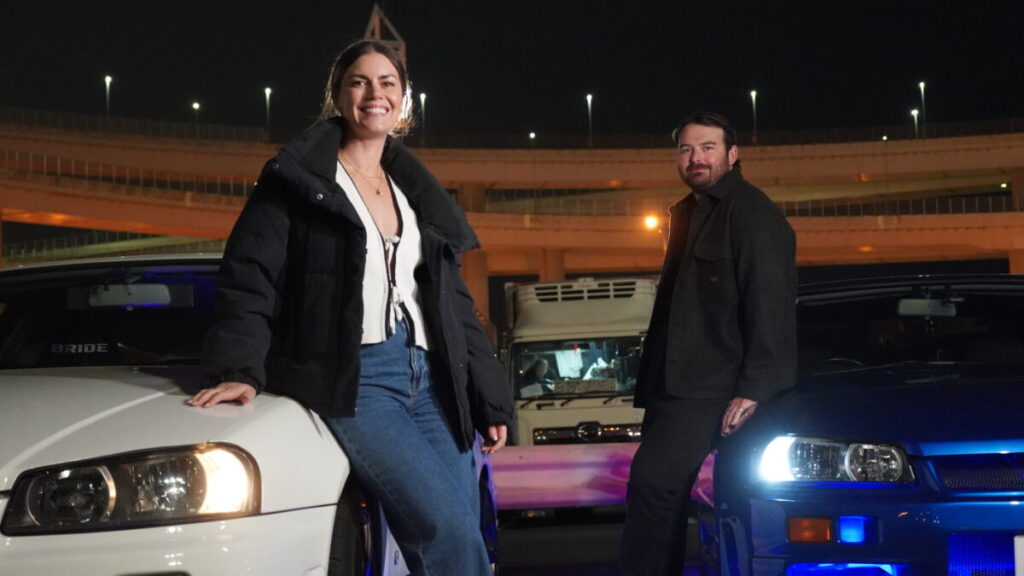
Because it is a highway parking area, Daikoku PA is generally only accessible by car or motorcycle. Entering on foot or through illegal gaps in the fencing is strictly prohibited and dangerous.
Standard Transportation
- Rental Cars: If you have an International Driving Permit, renting a sports car and driving yourself is the most authentic way.
- Taxi: Possible from Yokohama or Tokyo, but getting a return taxi is notoriously difficult, making this a risky option.
[The Hottest Experience] Driving Dream Sports Cars in Japan with JDM TOUR
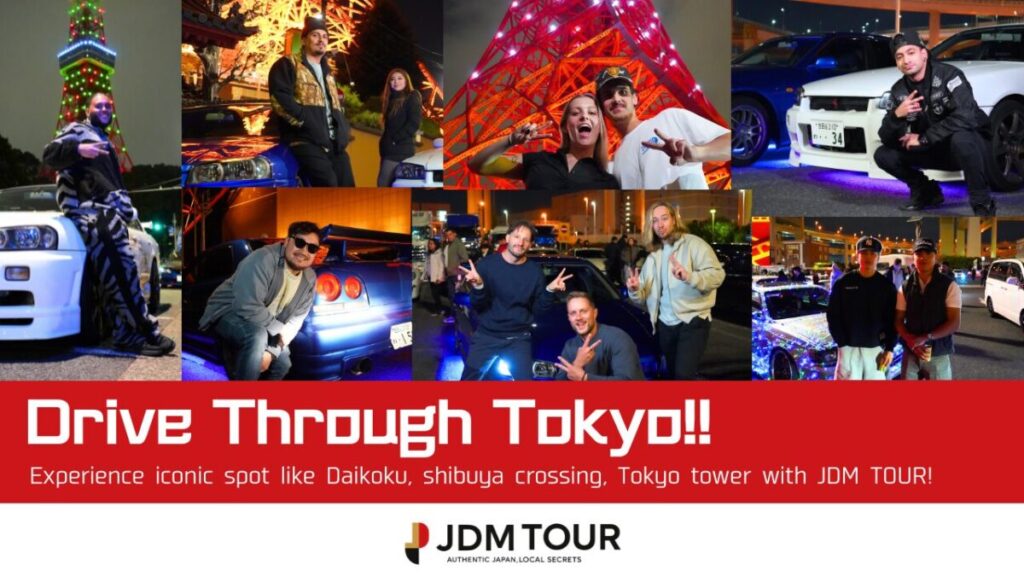
While standard rentals are practical, a new trend has exploded among car enthusiasts visiting Japan: renting “JDM” (Japanese Domestic Market) cars through specialized services like JDM TOUR.
The New Standard of Japan Travel: Public Roads in the Movie
The experience of being able to rent sports car japan is no longer just about driving; it has evolved into an "attraction" that transforms Japan's public roads into a real-life game world. In recent years, an exploding trend among international travelers is enjoying the act of driving through Japanese cities itself as a form of entertainment.
Specifically, commanding JDM machines such as the Nissan GT-R or Toyota Supra against the backdrop of Tokyo’s iconic landmarks is no longer just transportation; it is positioned as a participatory "activity." Just as cosplay driving tours have emerged, this integrated experience of car and city overturns conventional tourism, offering unforgettable, highly shareable memories that light up social media feeds.
This new style of journey, facilitated by exotic car rental tokyo services, has transformed from merely pursuing speed into a means of experiencing unforgettable "play." It allows you to deeply engage with Japan's unique culture and landscapes, creating an adventure that goes beyond traditional sightseeing.
Why is JDM So Popular Right Now?
Legendary sports cars manufactured in Japan during the 1990s and early 2000s—such as the Nissan Skyline (R34), icons for fans worldwide. For many, driving these cars on the actual roads they were designed for is a bucket-list experience that surpasses any standard sightseeing tour.
The Unique Charm of a JDM TOUR
JDM TOUR offers more than just a “car rental”; it provides a deep dive into Japanese car culture.
- The Pilgrimage to Daikoku PA: The highlight of many tours is driving to the Daikoku Parking Area on the Shuto Expressway. At night, this spot transforms into a gathering place for hundreds of beautifully customized cars, creating a vibrant atmosphere that is world-famous.
- Professional Guided Convoys: Driving a right-hand-drive manual car through the complex Shuto Expressway can be daunting. JDM TOUR offers plans where a professional guide leads the way in a lead car, ensuring you stay on the right path safely.
- Photography and Content Creation: The guides know the best “insta-worthy” spots, such as the Shibuya Crossing, Tokyo Tower, and Rainbow Bridge, allowing you to capture professional-quality memories with your dream car.
Location for JDM TOUR
Summary
![Summary [Daikoku PA]](https://jdmtour.com/wp-content/uploads/2026/02/DSC03477-1024x576.jpg)
Daikoku Parking Area is a crown jewel of Japanese culture, but its future depends on the respect and manners of every visitor. In 2026, despite the changing environment, visiting with the right information and a respectful attitude ensures an unforgettable night.
Check the latest apps, choose the right transportation, and witness the world’s greatest car meet for yourself.