Introduction
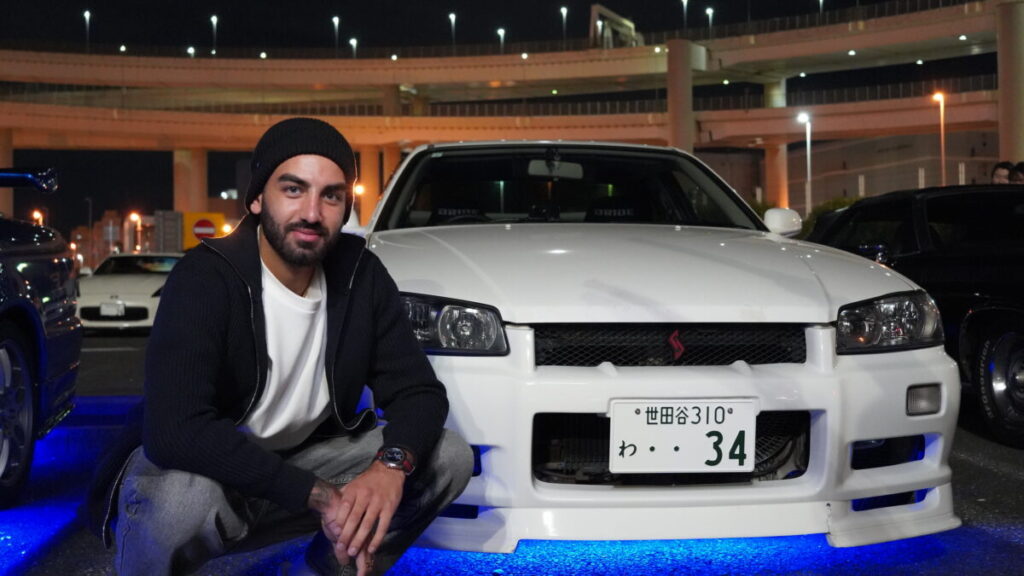
A lot of people are interested in a JDM experience, but still are not quite sure what actually counts as “experiencing authentic Japanese car culture” once they arrive in Japan. They may have seen Daikoku PA, Tokyo expressway night views, GT-Rs, Supras, rotary cars, and tuning shops on social media or YouTube, yet it is surprisingly difficult to figure out how a traveler should move around on the ground to create an experience that truly feels worthwhile.
The conclusion is simple: a JDM experience is not just about seeing famous cars. When you plan the locations, timing, transportation, rules, and stopovers together, the result becomes much more than a quick car-spotting trip. It turns into a real encounter with Japan’s unique automotive lifestyle and community atmosphere. Around Tokyo in particular, the overall quality of the experience changes dramatically depending on how you combine Daikoku PA, expressway driving, manufacturer galleries, tuning culture, and motorsports venues.
In this article, we will break down what a JDM experience actually means, how beginners can avoid common mistakes, what role the classic spots play, what to watch out for, how to use events effectively, and which services are worth considering. Whether you are a first-time visitor to Japan or someone already living here who wants to dive properly into the scene, this guide is designed to balance practical travel value with real enthusiast insight.
Why JDM Experiences Are So Popular
JDM is not only about “Japanese-market cars”
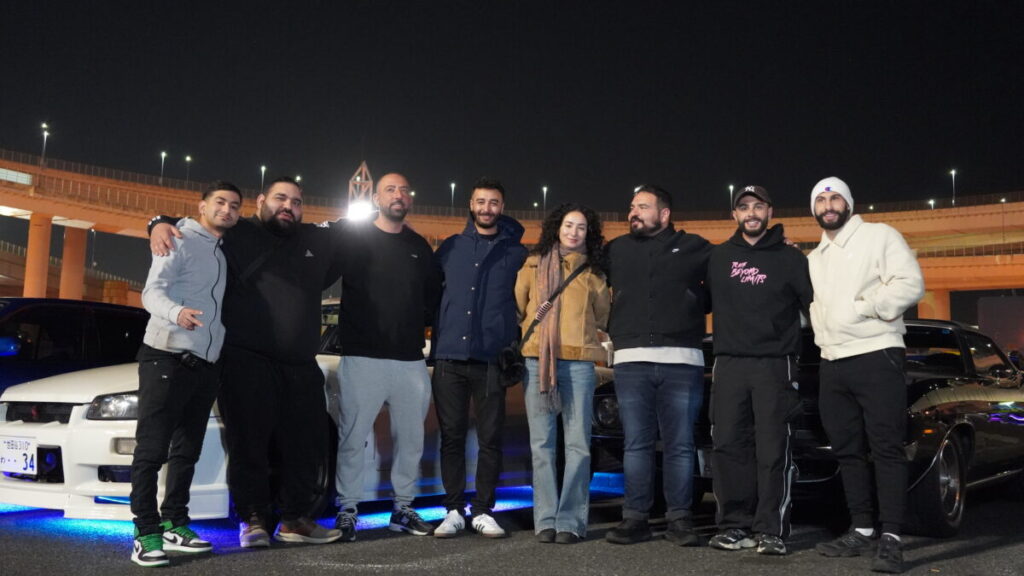
Originally, JDM stood for Japanese Domestic Market, meaning vehicles built for the Japanese market. But what has become globally popular is not only the cars themselves. What people are really drawn to today is the broader culture: the stories behind the cars, the tuning scene, the roads they run on, the places where enthusiasts gather, and even the manners and atmosphere of those spaces.
That is why the appeal goes far beyond a spec sheet. The real value of a JDM experience lies in seeing how these cars actually exist inside Japan. It is about understanding not only what the vehicle is, but how it lives within its home environment.
A real-world pilgrimage inspired by movies and games
Many people begin their interest in JDM culture through Initial D, Wangan Midnight, Fast & Furious-style media, racing games, YouTube videos, or social content. For them, places like the Tokyo bay area and Daikoku PA are not just parking areas. They are real-world stages connected to the fantasy they already know.
At the same time, an actual JDM experience is not a movie set. The roads are public infrastructure, and a parking area is not a tourist attraction built only for car fans. Once you understand that difference, the experience becomes more meaningful. You stop seeing only the spectacle and start noticing how Japanese car culture coexists with everyday public space.
“Ride, drive, and meet” is often better than just “watch”
The most memorable JDM experiences are rarely the ones where you only stand around and look at cars. In most cases, satisfaction is much higher when the plan includes driving, riding along, or talking with an owner or guide.
For car enthusiasts, details such as engine sound, seating position, road visibility, expressway merges, bay-area skyline views, and the feeling of entering a famous PA all create memories that videos cannot fully reproduce. If you want a JDM experience that stays with you, a participation-focused format is usually more rewarding than a purely observational one.
The Classic JDM Experience Spots and What They Offer
Daikoku PA is both a destination and a waypoint
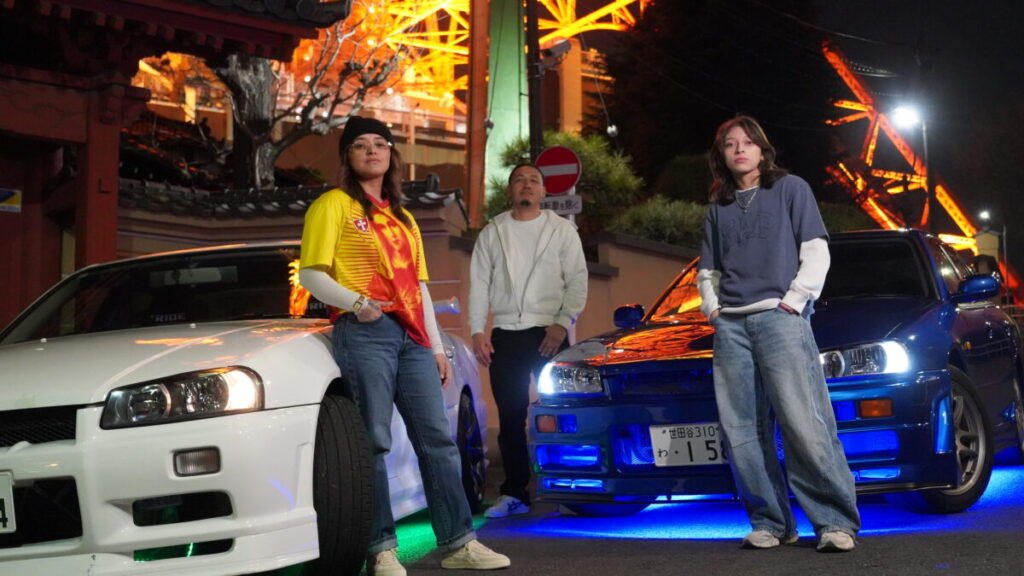
Daikoku PA is one of the most iconic places in any JDM experience. It is large, well known, and often associated with gatherings of enthusiasts around the Yokohama and bay-area expressway network.
That said, Daikoku PA is not a theme park where a huge car meet is guaranteed every time you go. It is still a real parking area on the expressway system. The atmosphere changes depending on the day, the weather, traffic conditions, police activity, and occasional closures. That uncertainty is part of the culture. If you understand that in advance, you are more likely to enjoy the visit instead of feeling disappointed.
The Tokyo expressway night drive is the backbone of the experience
What makes a JDM experience memorable is not only the parking area itself, but also the road leading to it. The nighttime skyline of Tokyo, the bridges, the curves and merges unique to urban expressways, and the shift from the city center to the waterfront create much of the atmosphere people associate with Japanese car culture.
That is why it helps to think not only about where you want to see cars, but also when, in what car, and through which route. For beginners, a guided route with strong night-view elements often delivers a richer and more efficient experience than trying to improvise on the spot.
Manufacturer galleries and specialist shops add context
If your plan relies only on Daikoku PA, the quality of the day depends heavily on what happens to be there when you arrive. A smarter approach is to combine it with manufacturer galleries and specialist shops.
Places like the Nissan Global Headquarters Gallery or NISMO-related facilities help you understand the brand story, the performance heritage, and the tuning culture behind the cars you may later see at night. Stores such as A PIT AUTOBACS SHINONOME also show you what modern Japanese car enthusiasm looks like in day-to-day life.
These stops work especially well before or after Daikoku. If you go first, you build context that makes the night scene more meaningful. If you go afterward, you can organize what you saw into a clearer picture. Combining unpredictable spots with stable, always-open venues is one of the best ways to avoid disappointment.
How Beginners Can Plan a Better JDM Experience
First decide whether you are a “see cars” person or a “drive cars” person
When building a JDM experience, the first question is simple: do you mainly want to see the cars, or do you want to ride or drive them?
If your priority is viewing, you can enjoy galleries, shops, events, and parking-area visits. But if you want a trip that will stay in your memory, experiences involving real movement, such as self-drive rentals or ride-along tours, are usually much stronger.
First-time visitors often think they can casually “look around” on their own, but end up spending too much time on transportation and too little on the actual experience. By contrast, a half-day or one-day format centered on participation often works extremely well within a Tokyo itinerary.
Daytime and nighttime feel completely different
A JDM experience can feel like two different worlds depending on the time of day. During the day, exhibitions, stores, and scenic locations are easier to appreciate. At night, the expressway atmosphere, city lights, reflections, and the presence of the cars become far more dramatic.
For that reason, one of the best beginner-friendly formats is: learn during the day, experience the atmosphere at night. A schedule that includes a gallery or shop in the afternoon and a drive plus Daikoku visit in the evening usually feels far more complete than a short night visit alone.
Do not insist on doing everything independently
Car enthusiasts often want to handle everything themselves, but for travelers without local knowledge, there is no need to be stubborn about that. Daikoku PA in particular has practical access restrictions that many visitors overlook.
If your transportation plan is weak, you can easily waste a large part of your schedule and still fail to experience the place properly. For that reason, the first priority should be securing a legitimate and realistic way to access the core parts of your plan. Driving there yourself, joining a tour, or choosing a structured self-drive experience is often the most sensible option.
Important Things to Know About Daikoku PA
You cannot enter on foot
This is the single most important point. Daikoku PA is not a place you can casually walk into from regular streets. It is part of the expressway network, which means travelers who misunderstand access can end up getting close to the area without being able to actually enter.
Because social media often makes it look like an ordinary parking lot, many visitors do not realize how important access planning is. If Daikoku PA is central to your JDM experience, you need to lock down the transportation method first.
Assume closures are possible
Another key point is that Daikoku PA is not always available under all conditions. Depending on circumstances such as nuisance behavior, safety measures, or traffic control, closures can happen.
That means it is risky to build your entire JDM experience around one single evening at Daikoku. A better strategy is to prepare backup options such as A PIT AUTOBACS SHINONOME, manufacturer galleries, NISMO-related locations, or other automotive stops that still make the day worthwhile even if the PA becomes difficult to access.
It is a shared public space, not a private car show venue
Daikoku PA is visually exciting, but it is also used by ordinary drivers, long-distance travelers, logistics vehicles, and people simply taking a break. That matters.
So if you want to enjoy a JDM experience respectfully, basic etiquette is essential: do not block traffic lanes, do not make excessive noise, do not take over space for too long, and do not approach other people’s cars too aggressively without permission. The more famous the place becomes, the more important this attitude is. Enjoying the scene properly also means respecting the place that makes it possible.
Recommended Places That Make a JDM Experience Richer
NISMO Omori Factory for real performance heritage
If you do not want your JDM experience to begin and end with Daikoku PA, NISMO Omori Factory is a strong addition. It gives you access to the official performance and tuning lineage tied to Nissan and NISMO.
This is especially rewarding for people who love GT-Rs or want to understand how tuning culture developed in a more authentic and structured way. If Daikoku is the live scene, NISMO-related venues help explain the background that shaped it.
Nissan Global Headquarters Gallery for beginners and mixed-interest groups
For travelers who want something easier to include in a broader itinerary, the Nissan Global Headquarters Gallery is a very accessible option. It works well not only for enthusiasts, but also for couples, friends, or family members who may not all be equally passionate about cars.
A JDM experience can sometimes become too niche if you only focus on hardcore enthusiast spots. A gallery like this adds a more welcoming layer, where modern vehicles, brand identity, and automotive technology can be appreciated in a relaxed setting.
A PIT AUTOBACS SHINONOME for a look at today’s Japanese car scene
A PIT AUTOBACS SHINONOME is not just a retail store. It is also a place where events, gatherings, and current enthusiast trends come together. That makes it valuable for anyone who wants to understand not only historic JDM icons, but also what Japanese enthusiasts are interested in right now.
This kind of stop is especially useful if you want your JDM experience to feel current rather than purely nostalgic. It shows the living side of the scene, including modern customization trends, community behavior, and the practical side of Japanese car culture.
Adding Events and Circuits Makes the Experience Better
Tokyo Auto Salon is a major win if your dates line up
If your visit matches the timing, Tokyo Auto Salon can be one of the strongest additions to a JDM experience. It is one of the world’s biggest custom car shows and brings together manufacturers, tuners, aftermarket brands, demo cars, and trend-setting builds all in one place.
Its main advantage is density. A parking area or shop may depend heavily on timing and chance, but a major event gives you a huge amount of car culture in a short time. For travelers with limited schedules, that can make a massive difference.
Fuji Speedway adds motorsport depth
If you want your JDM experience to go beyond city car culture, Fuji Speedway is a powerful next step. It introduces the motorsports side of the story and helps connect street enthusiasm with the racing heritage that shaped many iconic Japanese performance cars.
Once you include a circuit element, the experience becomes much more layered. You begin to understand that expressway culture, tuning, performance branding, and track history are not separate worlds. They all feed into each other.
Fuji Motorsports Museum helps organize the history
Fuji Motorsports Museum is especially valuable if you want to turn emotional excitement into clearer understanding. It helps answer questions like: why is the GT-R so respected, why do Japanese manufacturers carry such strong motorsport identities, and why do certain sports models feel larger than life?
This kind of stop balances out the excitement of the night scene. A loud, visually intense evening followed by a thoughtful museum visit can create one of the most satisfying JDM experience combinations available in Japan.
Which Kind of JDM Experience Fits Which Traveler
First-time visitors should choose a Tokyo-based half-day or one-day format
If this is your first JDM experience in Japan, the safest and most effective option is usually a Tokyo-based itinerary that can be completed in half a day or one day. It reduces transportation burden and makes it easier to adapt to weather, closures, and schedule changes.
Enthusiasts often want to go straight to mountain roads, circuits, or regional destinations, but doing too much too soon can turn the day into a transportation marathon. A better strategy is to treat your first Tokyo-area JDM experience as the trip where you capture the atmosphere first, then return later for a more specialized follow-up.
Hardcore car fans should combine night action with daytime learning
If you already know the cars, the brands, and the culture references, you may find a simple sightseeing-style visit too shallow. In that case, the best format is often to combine nighttime live scene energy with daytime contextual learning.
A day that includes NISMO-related stops, a major shop, or a manufacturer gallery before a night drive and Daikoku visit gives enthusiasts far more to process and appreciate. You are not just consuming the scene. You are understanding it more deeply.
If your travel companions are not car people, add tourism value
If you are traveling with a partner, friends, or family members who are not especially into cars, the smartest move is to blend your JDM experience with broader sightseeing appeal. Night views, Yokohama-area scenery, easy gallery visits, stylish stores, and photogenic stopovers can make the day enjoyable for everyone.
A JDM experience does not have to feel like a niche hobby trip that only one person understands. With the right structure, it can become a memorable part of a wider Japan journey.
[The Hottest Experience] Driving Dream Sports Cars in Japan with JDM TOUR
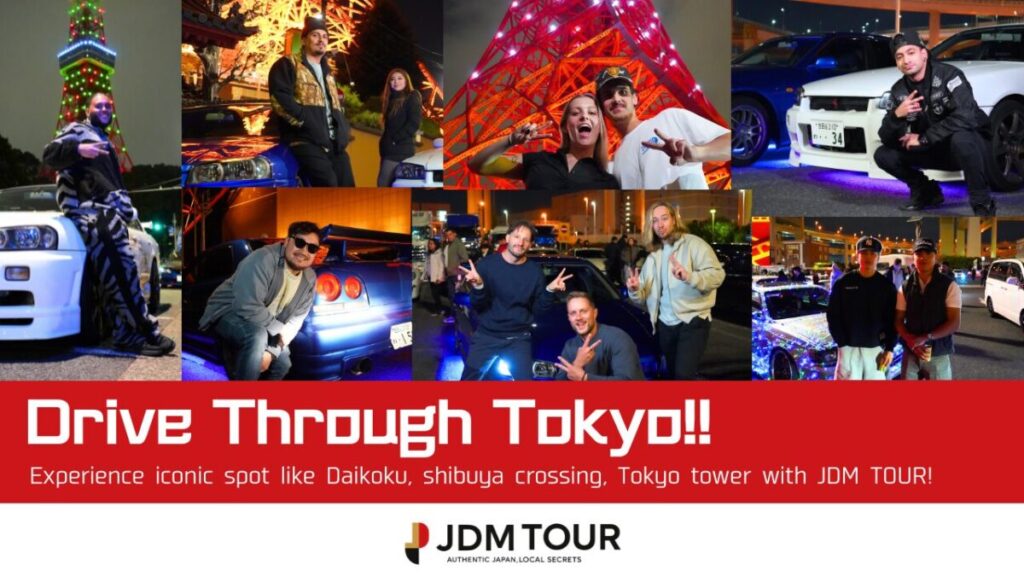
While standard rentals are practical, a new trend has exploded among car enthusiasts visiting Japan: renting “JDM” (Japanese Domestic Market) cars through specialized services like JDM TOUR.
The New Standard of Japan Travel: Public Roads in the Movie
The experience of being able to rent sports car japan is no longer just about driving; it has evolved into an "attraction" that transforms Japan's public roads into a real-life game world. In recent years, an exploding trend among international travelers is enjoying the act of driving through Japanese cities itself as a form of entertainment.
Specifically, commanding JDM machines such as the Nissan GT-R or Toyota Supra against the backdrop of Tokyo’s iconic landmarks is no longer just transportation; it is positioned as a participatory "activity." Just as cosplay driving tours have emerged, this integrated experience of car and city overturns conventional tourism, offering unforgettable, highly shareable memories that light up social media feeds.
This new style of journey, facilitated by exotic car rental tokyo services, has transformed from merely pursuing speed into a means of experiencing unforgettable "play." It allows you to deeply engage with Japan's unique culture and landscapes, creating an adventure that goes beyond traditional sightseeing.
Why is JDM So Popular Right Now?
Legendary sports cars manufactured in Japan during the 1990s and early 2000s—such as the Nissan Skyline (R34), icons for fans worldwide. For many, driving these cars on the actual roads they were designed for is a bucket-list experience that surpasses any standard sightseeing tour.
The Unique Charm of a JDM TOUR
JDM TOUR offers more than just a “car rental”; it provides a deep dive into Japanese car culture.
- The Pilgrimage to Daikoku PA: The highlight of many tours is driving to the Daikoku Parking Area on the Shuto Expressway. At night, this spot transforms into a gathering place for hundreds of beautifully customized cars, creating a vibrant atmosphere that is world-famous.
- Professional Guided Convoys: Driving a right-hand-drive manual car through the complex Shuto Expressway can be daunting. JDM TOUR offers plans where a professional guide leads the way in a lead car, ensuring you stay on the right path safely.
- Photography and Content Creation: The guides know the best “insta-worthy” spots, such as the Shibuya Crossing, Tokyo Tower, and Rainbow Bridge, allowing you to capture professional-quality memories with your dream car.
Location for JDM TOUR
Conclusion
A true JDM experience is not just about spotting Japanese cars. It is about experiencing the places, timing, people, etiquette, and atmosphere that make Japan’s car culture feel alive. Daikoku PA is certainly an important symbol, but to enjoy it well, you need to understand access limitations, the possibility of closures, and the fact that it is a public rest area, not a private enthusiast venue.
The best way to improve satisfaction is not to rely on Daikoku alone. When you combine night expressway driving, NISMO-related spots, the Nissan Global Headquarters Gallery, A PIT AUTOBACS SHINONOME, Tokyo Auto Salon, Fuji Speedway, or Fuji Motorsports Museum in a way that matches your schedule and enthusiasm level, the whole experience becomes far more complete.
If you are new to this, start with a manageable Tokyo-based format and choose an experience that handles transportation and structure well. Travelers with limited time usually benefit the most from a plan that is intentionally designed rather than improvised. That is often the difference between simply “seeing car stuff” and having a JDM experience you will remember for years.