Introduction
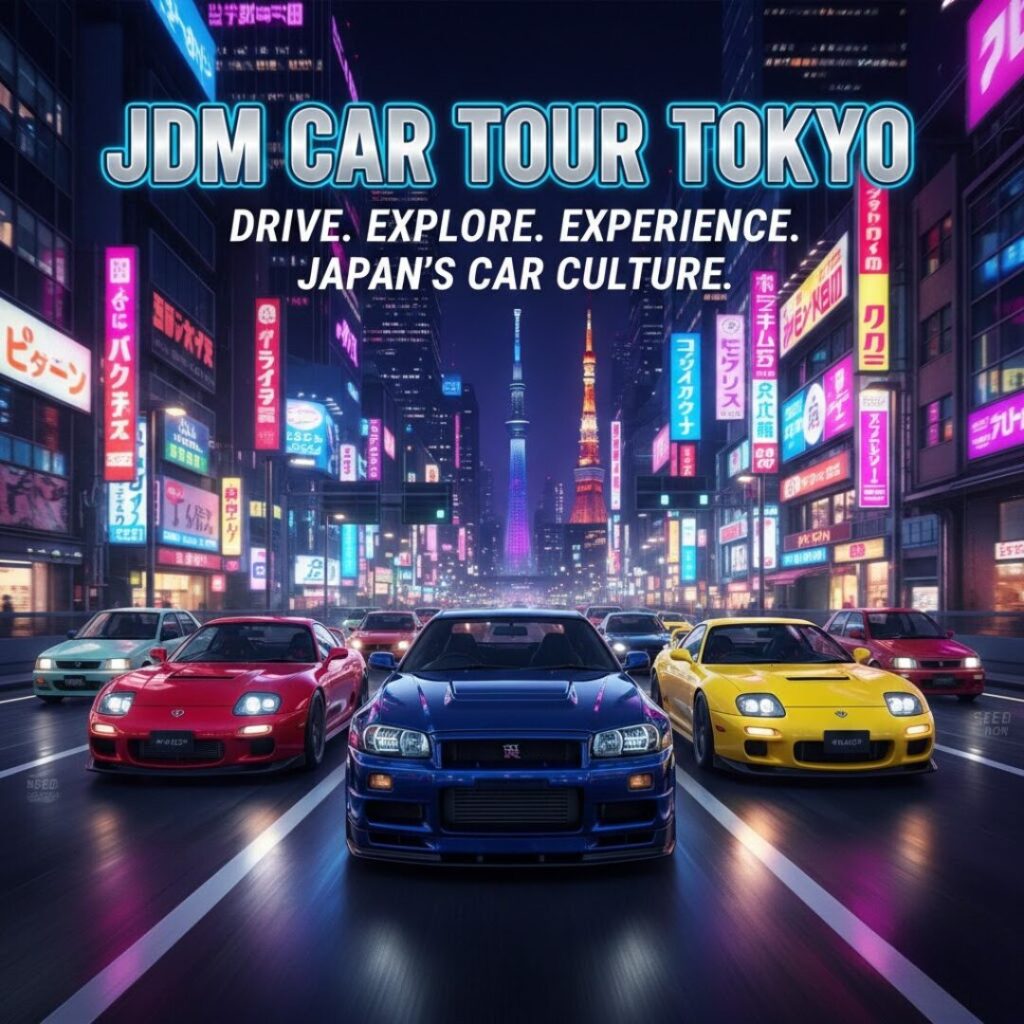
In recent years, an intense fascination has grown among car enthusiasts worldwide for high-performance vehicles developed and manufactured in a specific cultural sphere, particularly those from the JDM (Japanese Domestic Market). From legendary models like the Skyline GT-R, Supra, and RX-7, to unique Kei cars and custom builds, Japan’s automotive culture is profoundly deep and diverse. The best way to feel the pulse of this attraction is none other than by participating in a JDM car tour right in its heartland: Tokyo.
This article, centered around the keyword “JDM Car Tour Tokyo,” serves as a complete guide for those seeking to “drive, explore, and experience” Japan’s fervent car culture. It offers detailed and practical information that goes beyond merely viewing cars, covering the history of Japan’s auto industry, spots where custom culture thrives, and the unique rules and etiquette required for driving on Japanese public roads. By reading this comprehensive article, totaling approximately 3,000 words, readers will transform from mere tourists into genuine explorers delving into the depths of Japanese car culture.
Tokyo is a unique metropolis where cutting-edge technology coexists with a profound, old-school love for automobiles. The roar of tuned cars on the Shuto Expressway, the passionate gatherings at Daikoku Parking Area, and the sight of custom cars blending into the neon glow of Akihabara and Shibuya—these are living showcases of JDM culture. Through this guide, readers will gain specific tips and the inspiration needed to make their JDM tour the ultimate experience. So, let’s shift into gear and set off on an exhilarating journey through the automotive culture of Japan.
The Fundamentals of JDM Culture: Why Japanese Cars Captivate the World
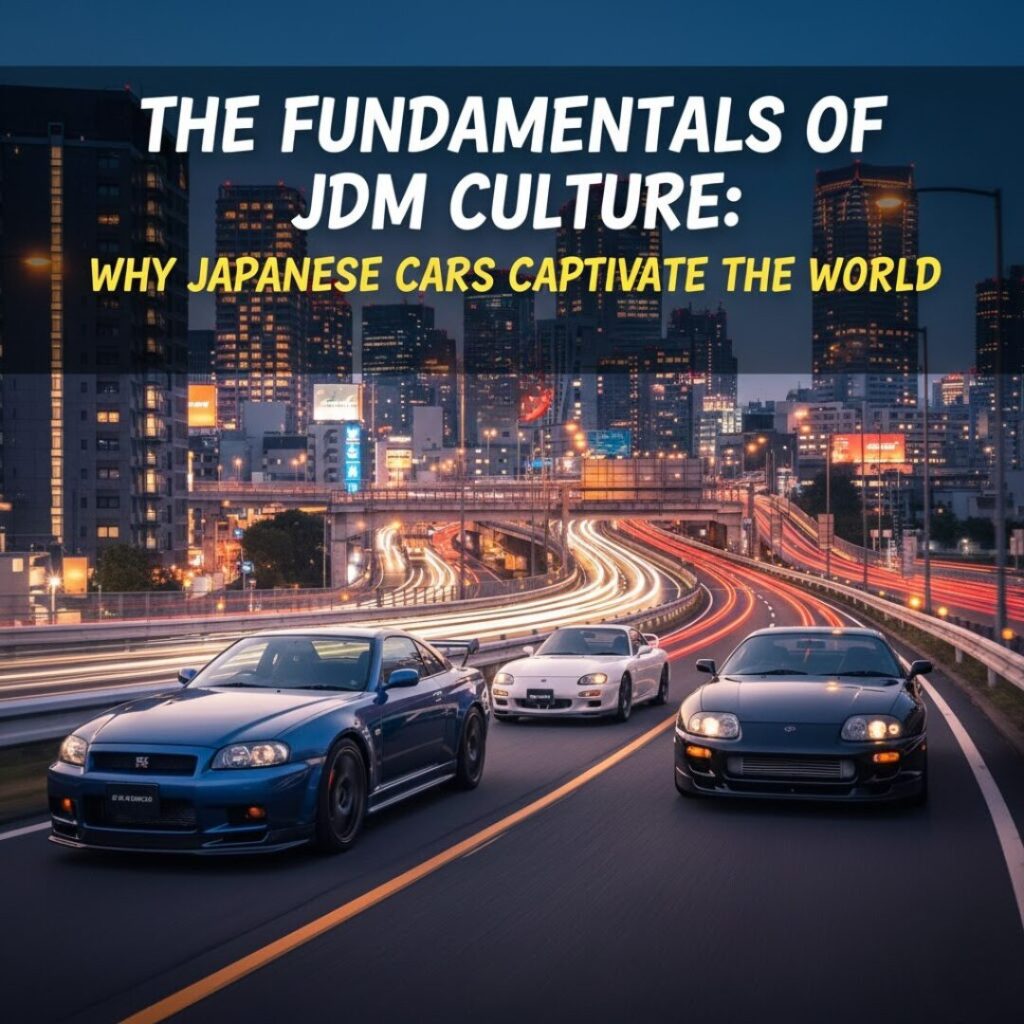
The global excitement for Japanese automobiles, especially JDM models, stems from a unique historical background and technical excellence. This section delves into the core elements of JDM culture.
The Definition of JDM Cars and Their Global Popularity
JDM does not simply refer to cars manufactured in Japan; it specifically means automobiles designed and sold for the Japanese domestic market. These vehicles often feature unique specifications compared to export models, such as right-hand drive, specific engine settings, and special safety equipment compliant with Japanese regulations.
- Technical Superiority: During the 1980s and early 2000s, Japanese manufacturers developed innovative and highly reliable high-performance engines (e.g., Nissan’s RB26DETT, Toyota’s 2JZ-GTE) despite the “gentlemen’s agreement” on horsepower limits and strict emission standards. These engines are beloved by custom builders worldwide for their robustness, capable of withstanding severe tuning.
- Design and Diversity: From compact sports cars to sedans and unique Kei cars, Japanese automobiles are incredibly diverse. Sports cars, in particular, developed alongside unique cultures like drifting, time attack, and street racing, and their functional beauty captivates fans across the globe.
The Development of Japanese Automotive History and Custom Culture
Japan’s automotive history rapidly progressed from the post-war reconstruction period into the era of high economic growth. As manufacturers like Toyota, Nissan, and Honda established global prominence, a unique custom culture also flourished.
- Birth of the Hashiriya Culture: The “hashiriya” (street racer) culture, which emerged on Japan’s mountain passes and highways in the 1980s, is the origin of JDM customization. This culture spread globally through manga and anime (e.g., Initial D), driving trends in street tuning.
- VIP Style and Dekotora: Custom styles based on unique Japanese aesthetics are also characteristic. “VIP Style,” which involves extreme lowering of sedans and equipping them with large-diameter wheels, and “Dekotora“ (decorated trucks), exemplify the diversity of Japanese custom culture.
The Allure of a JDM Car Tour in Tokyo
Tokyo stands as the vanguard of Japan’s automotive culture.
- Pilgrimage Sites: Legendary spots like the Shuto Expressway’s Wangan Line and Daikoku PA are densely located here.
- Treasures of Parts Shops: Areas like Akihabara and Shinonome are saturated with specialized stores for tuning parts and custom cars, serving as hubs for procurement and information gathering.
🏎️Cruising the Tokyo Wangan Line: The Shuto Expressway and Legendary Driving Spots
To experience JDM car culture, the Tokyo expressways, especially the Shuto Expressway (commonly called “Shuto-ko”), and its parking areas, are unmissable. These were the stages for past street races and remain “sacred grounds” where car enthusiasts congregate.
The Shuto Expressway Driving Experience
Unlike standard highways, the Shuto Expressway offers a distinct driving experience due to its unique structure, which is very tight, full of curves, and often runs underneath elevated city structures.
- The Appeal of the Wangan Line: The “Wangan” (Bayshore) is a route famous in movies and games for its long straights, allowing for higher speeds. The sense of openness while driving along the coast, combined with the illuminated industrial areas at night, is unique to Tokyo.
- The C1 (Inner Circular Route) and Tight Curves: The C1, which loops through the city center, demands high levels of Japanese driving skill and concentration due to its many tunnels and sharp corners. This complex structure is part of the thrill of driving on the Shuto-ko.
Sacred Grounds for JDM Fans: Parking Areas (PA)
PAs are not just rest stops; they function as venues for the car community to meet and exchange.
Daikoku Parking Area (Daikoku PA)
Daikoku PA is the “Mecca” for JDM fans. On weekends and at night, custom cars, supercars, and classic cars gather, fostering passionate exchange among car enthusiasts.
- Weekend Gatherings: Especially on Sunday mornings and Saturday nights, a diverse array of vehicle genres converges. Here, you can see rare limited-edition models and custom cars reflecting their owners’ dedication up close.
- A Hub for Exchange: The sight of owners discussing parts and tuning secrets demonstrates that Japanese car culture exists in a vibrant, living form.
Tatsumi Parking Area (Tatsumi PA)
Tatsumi PA is known for its excellent views, being close to the Shuto-ko’s city center routes.
- The Beauty of the Night View: From Tatsumi Daini PA, you can overlook the sweeping curves of the Shuto-ko and the illuminated cityscape. This spot is renowned as a quintessentially Tokyo spectacle, where cars and urban landscape merge.
Precautions When Driving on the Shuto-ko
Even on an expressway, it is crucial to adhere to Japanese driving manners and rules.
- Speed Limits and Etiquette: Speed limits on the Shuto-ko vary by section, generally ranging from 60 km/h to 80 km/h. Also, continuously driving in the overtaking lane is considered poor etiquette.
- High Traffic Volume: During weekday daytime hours, traffic volume is extremely high, and congestion occurs frequently. To enjoy the exhilaration of driving on your JDM tour, early mornings on weekends or nighttime hours, when traffic is relatively lighter, are recommended.
🚗Pilgrimage to Custom Shops and Parts Havens: Japanese Technology and Craftsmanship
JDM culture is underpinned by custom shops with world-class technical prowess and craftsmen who pay meticulous attention to detail. These shops, embodying the pinnacle of this expertise, are scattered throughout Tokyo and its surroundings.
Major Custom Shops in the Tokyo Area
By visiting the actual sites where tuning takes place on a JDM car tour, you can grasp the depth of Japanese custom culture.
Specialized Tuners
- Trusted Veterans: Major tuning manufacturers like HKS and TRUST (GReddy) have bases near Tokyo (e.g., Chiba and Kanagawa), offering information to JDM fans through showrooms and events. These manufacturers develop a wide range of products, from engine tuning parts to aero parts, cherished by JDM fans globally.
- Vehicle-Specific Shops: There are many specialized shops focusing on particular models, such as the GT-R (Nissan Skyline GT-R) or RX-7 (Mazda rotary engine vehicles). These shops offer genuine “craftsmanship,” intimately knowing the strengths and weaknesses of those specific models.
Custom Paint and Bodywork
The allure of Japanese custom cars is also found in their precise bodywork and painting.
- The Importance of Aero Parts: Aero parts, pursued for both functionality and design, are symbols of JDM customization. Designs that enhance driving performance while preserving the original lines of the car reflect the dedication of Japanese craftsmen.
Areas Where Parts Shops Congregate
Autobacs and Super Autobacs
Japanese car accessories chain stores are a “one-stop shop” for JDM fans.
- Extensive Inventory: Super Autobacs, in particular, offers a rich selection of tuning parts such as high-performance suspension, bucket seats, and mufflers, in addition to general consumables. Stores in the Tokyo Bay Area, like Shinonome, sometimes host custom car events.
- Installation Services: They often provide installation services for purchased parts on the spot, enhancing convenience for JDM owners.
Used Parts Market: Hunting for Bargains
- UpGarage: A major chain that deals in used car accessories and parts. Here, you might stumble upon rare, discontinued JDM parts or unexpected bargains.
🚦Japanese Driving Rules and Etiquette: For a Safe and Enjoyable JDM Drive
When driving on public roads during your JDM car tour, it is extremely important to understand Japan’s unique traffic rules and etiquette. To ensure safety and smooth coexistence with other drivers, grasp the following points.
Essential Driving Knowledge
Traffic Rules
- Left-Side Driving, Right-Hand Drive: Japanese traffic operates on the left side of the road. Vehicles have right-hand drive, which is the biggest adjustment for visitors from overseas.
- Stop Signs and Right of Way: At spots marked with a “Stop” (止まれ) sign, you must come to a complete stop and check for traffic safety on both sides. At intersections without signals, follow signs and road markings (such as diamonds) to determine the right of way.
- Strict Drunk Driving Laws: Penalties for drunk driving are extremely severe in Japan, and responsibility can extend to passengers. Alcohol consumption should be completely avoided during a JDM tour.
Speed Limits
- General Roads: The speed limit on most general roads is typically 40 km/h to 60 km/h. It may be set lower in residential areas or near school zones.
- Expressways: The Shuto-ko is limited to 60 km/h to 80 km/h, while major expressways like the Shin-Tomei or Tohoku Expressway have maximum limits of 100 km/h to 120 km/h.
Unique Japanese Driving Etiquette and Customs
Expressway Usage
- Overtaking Lane: The far-right lane is the “overtaking lane” on expressways, and it is considered good etiquette to promptly return to the driving lane once overtaking is complete. Prolonged driving in the overtaking lane is frowned upon by other drivers.
- Toll Gates and ETC: ETC (Electronic Toll Collection) is widespread on most expressways. When renting a car, consider using an ETC card for convenience. If paying by cash, use the “General” (一般) or “ETC/General” (ETC/一般) lanes.
Courtesy on Public Roads
- Merging and Yielding: It is common to yield to each other when merging. Especially in congested areas, “zipper merging,” where cars merge alternately one by one, is encouraged.
- Hazard Lights: It is customary to briefly flash the hazard lights to signal “thank you” or to warn drivers behind you when encountering sudden congestion.
Notes on Renting a JDM Car
When renting a high-performance JDM vehicle, be sure to confirm the insurance details and mileage limits in advance. It is also essential to abide by contractual obligations, such as treating the vehicle with care and avoiding track driving or dangerous operation.
📸JDM Photography and Sightseeing Fusion: Tokyo’s Best Spots
One of the great pleasures of a JDM car tour is photographing your beloved car or dream car against Tokyo’s unique backdrop. The fusion of traditional Japanese scenery and cutting-edge urban landscapes enhances the charm of JDM cars.
Photo Spots Where Cars and Scenery Merge
Akihabara (Akiba)
- Neon and Custom Cars: Akihabara is the center of the electronics district and anime/gaming culture. At night, the combination of neon signs projected onto massive building walls and distinctively customized JDM cars offers photos that are exceptionally “Japanese” and cool.
- Itasha: This is a place where many “itasha“ (cars wrapped with anime characters) gather. You can observe this unique genre where Japanese otaku culture merges with JDM customization.
Shibuya and Shinjuku
- Urban Hustle and Sports Cars: Taking photos around Shibuya’s Scramble Crossing or against the backdrop of Shinjuku’s skyscrapers emphasizes the sense of speed and urban contrast of JDM sports cars.
- Caution: These areas have extremely heavy traffic, so when parking or taking photos on public roads, you must strictly adhere to traffic rules and take the utmost care not to obstruct pedestrians or traffic.
Yokohama Red Brick Warehouse and Minato Mirai
A short trip from Tokyo, Yokohama offers the nostalgic atmosphere of the Red Brick Warehouse and the futuristic skyline of Minato Mirai.
- Retro-Modern Background: The historic buildings of the Red Brick Warehouse provide a perfect backdrop for photographing classic JDM old-timers (Hakosuka, S30Z, etc.).
- Night View: Minato Mirai’s night view beautifully highlights the LED lights and vibrant body colors of custom cars.
Checking JDM Events and Car Shows
To have the best photo opportunities and experience, it’s important to check the local car event schedule in advance.
- Tokyo Auto Salon: Held every January, this is Japan’s largest custom car and tuning exhibition. Here, you can see the latest trends, technologies, and unique custom cars all in one place.
- Local Events: Beyond the gatherings at Daikoku PA, smaller fan meetings held at various circuits and event squares offer chances to encounter hidden gems.
🛠️Services Supporting Your JDM Car Tour: Rentals and Guides
When planning an authentic JDM car tour, reliable car rental and specialized guide services can significantly affect the quality of your trip.
JDM Car Rental Services
The most common way to drive a JDM car in Japan is by utilizing specialized rental services.
- Specialized Rental Companies: Tokyo has rental companies that focus exclusively on popular JDM sports cars like the Nissan GT-R, Honda S2000, and Mazda RX-7.
- Vehicle Diversity: Some companies offer specially customized models, intended not just for the driving experience but also for photography or event participation.
- Insurance and Contracts: As JDM cars are high-performance vehicles, rental fees are often high, and the scope of insurance coverage and deductibles is crucial. Always confirm the contract details thoroughly.
Guided Tours and Excursions
In addition to driving yourself, guided tours are popular for those wanting a deeper immersion into JDM culture.
- JDM TOUR (Recommended Service): Services like JDM TOUR go beyond simple car rental; they provide knowledgeable local guides who can lead you to interactions with car enthusiasts at Daikoku PA and Tatsumi PA, visits to hidden custom shops, and the most exciting driving routes.
- Interpretation Services: For international visitors, the presence of English-speaking guides is very reassuring, as communication in Japanese and explanations of Japanese traffic rules are often necessary.
🍽️JDM Tour and Japanese Food Culture: Gourmet Spots for Car Maniacs
A JDM car tour is intertwined not just with vehicles but also with the Japanese food culture that fostered it. The unique gourmet offerings at parking areas and the eateries where car enthusiasts gather are also part of the trip’s enjoyment.
Parking Area (PA) Gourmet
Japanese expressway PAs/SAs (Service Areas) are treasures of local “B-kyu Gourmet” (casual, local cuisine).
- Daikoku PA: Offers a full range of ramen, set meals (teishoku), and easy-to-eat casual food. Eating warm ramen at a night-time PA while gazing at custom cars is a standard experience among JDM fans.
- Ebina SA (Tomei Expressway): While a bit further from Tokyo, it is one of the largest SAs in Japan, offering a variety of breads, sweets, and local specialty foods. It’s a great stopover on the way to or from JDM events.
Cafes and Restaurants Where Car Maniacs Gather
- Concept Cafes: Tokyo has several cafes and restaurants themed around automobiles. The interiors are decorated with classic cars or racing car parts, providing spaces where car enthusiasts can socialize.
- Drivethroughs (Drive-in): Traditional drive-ins along rural highways, beloved by local drivers and truckers, often serve affordable and delicious set meals.
💡Planning Your JDM Tour and Tips for the Best Experience
As we conclude this approximately 3,000-word guide, here are practical planning tips to ensure you have the ultimate JDM car tour.
Optimal Time for Your Tour
- Tokyo Auto Salon Period (January): This is the best time if you want to experience the greatest custom car event, but be aware that it is cold, and hotels around the venue are extremely crowded.
- Spring and Autumn: March to May and September to November offer stable weather and are ideal for driving. Events are frequent, ensuring an enjoyable JDM tour.
- Weekend Nights: If you wish to witness the gatherings at Daikoku PA or Tatsumi PA, schedule your visit between Friday night and Saturday night.
Budget and Preparation
- Costs: Plan a generous budget, considering JDM car rental, expressway tolls (Japanese tolls are relatively high), gasoline, and accommodation/meal expenses.
- International Driving Permit: Visitors from overseas must absolutely prepare an International Driving Permit (IDP) or other official documents authorizing driving on Japanese public roads before their trip.
Utilizing Digital Tools
- Navigation Apps: Since Japanese address searching can be complex, be prepared to use navigation apps like Google Maps accurately. Japanese car navigation systems sometimes use phone numbers for searching locations.
- Traffic Information: The Shuto Expressway is prone to congestion, so utilizing apps that provide real-time traffic information (e.g., the official Shuto-ko app) is highly recommended.
Conclusion and Final Remarks
A “JDM Car Tour Tokyo” is not just a car journey; it is a cultural expedition into Japan’s high-level technology, unique aesthetics, and passionate fan community. The experience of driving the Shuto-ko’s Wangan Line, socializing with global car enthusiasts at Daikoku PA, and witnessing the craftsmanship at custom shops will undoubtedly be unforgettable.
We hope this guide serves as your compass for maximizing your JDM experience in Tokyo. Please ensure safe driving and adhere to the manners on Japanese roads, and immerse yourself fully in this unique car culture.
Now, get ready to speed across the hot asphalt of Japan with legendary JDM cars! And become a new member of the JDM fan community, passing on the excitement of this journey to the next generation.