
Introduction
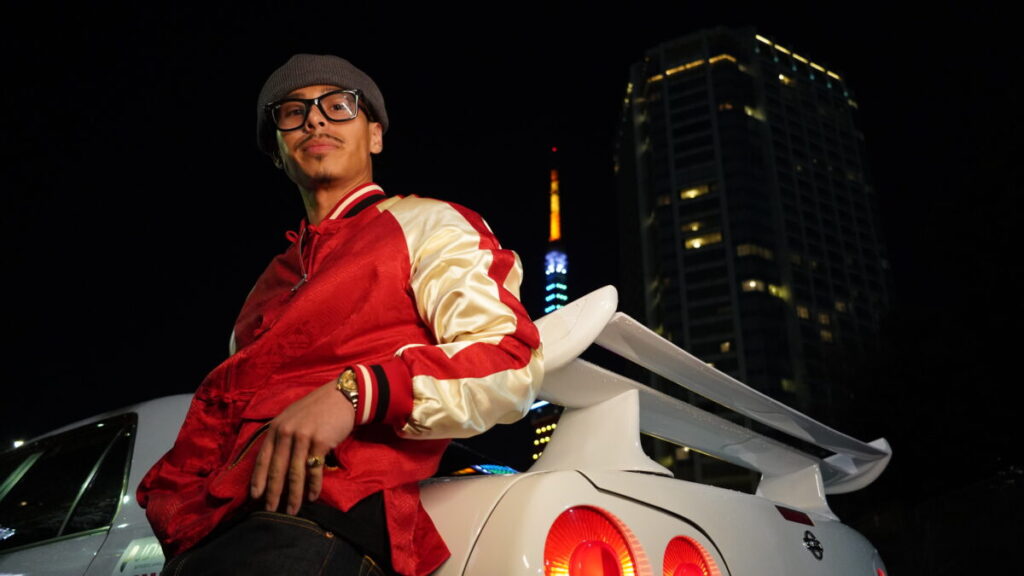
If you are drawn to JDM driving and want to visit Japan for it—or simply want to drive an authentic JDM car during your trip—you are far from alone. Originally, JDM stood for Japanese Domestic Market, meaning vehicles built for the Japanese market. Today, especially outside Japan, the term is often used more broadly to refer not only to Japanese-market-spec cars, but also to the wider culture surrounding classic and performance-oriented Japanese vehicles from the 1980s, 1990s, and beyond.
That broader interpretation matters because most people searching for JDM driving are not just looking for a car rental. What they really want is the experience: driving a Japanese performance car on Japanese roads, surrounded by the atmosphere, scenery, and car culture that made these machines iconic in the first place.
Still, the first obstacle is usually not choosing a car. It is figuring out something much more basic: can you legally drive in Japan at all? In Japan, the rules differ depending on your country or region. Not every international driving permit is valid. In practice, Japan recognizes international driving permits based on the 1949 Geneva Convention, while certain countries and regions such as Switzerland, Germany, France, Belgium, Monaco, and Taiwan use a different framework involving an official Japanese translation of the license.
On top of that, successful JDM driving is not simply about picking your dream car and heading out. Some areas, like Tokyo Bay and the expressway zones around it, are ideal if you want the atmosphere of Japanese car culture. Others, like Hakone, are far better if the driving itself is the main attraction. A road such as the Anest Iwata Turnpike Hakone is popular not just because it is scenic, but because it offers a smoother, more enjoyable rhythm than many tighter mountain roads.
This article breaks down what you need to know if you truly want to enjoy JDM driving in Japan: legal requirements, the best areas, the difference between solo rentals and guided tours, local driving rules, common mistakes, and how to choose a service that fits your travel style. By the end, you should have a much clearer idea of where to go, what type of experience suits you best, and how to plan a JDM drive that is memorable for the right reasons.
What JDM Driving Really Means | Why It Is More Than Just Renting a Car
JDM driving is not quite the same as renting a Japanese car for transportation. For most people, the goal is not simply to get from point A to point B. It is to experience a Japanese car in its natural environment—on Japanese roads, in Japanese traffic, with the scenery, parking areas, and automotive culture that surround it.
That is why the quality of the experience depends on more than the badge on the steering wheel. The route matters. The time of day matters. The stops you make matter. Even the surrounding road culture matters. For many enthusiasts, a Skyline GT-R, Supra, RX-7, NSX, Civic Type R, or Lancer Evolution is not just a vehicle. It is part of a larger fantasy tied to Japan itself.
At the same time, it is important not to misunderstand JDM driving as “driving fast.” Japan’s public roads are still public roads, and everything happens within the framework of traffic law and safety. Admiring Japanese car culture is one thing; reckless or illegal driving is something else entirely. That distinction matters even more in Japan, where driving rules are taken seriously and penalties can be severe.
In other words, the real appeal of JDM driving is not speed for its own sake. It is the combination of iconic cars, iconic roads, and authentic local atmosphere—experienced responsibly. That is why it is smarter to think about the kind of experience you want before thinking only about which car you want. Some travelers will be happiest with an independent rental. Others will get far more value from a guided or semi-guided format.
License Requirements and Documents You Need for JDM Driving in Japan
Before booking anything, the first thing to confirm is whether your license allows you to drive legally in Japan. Broadly speaking, there are two main routes for foreign drivers: converting a foreign license into a Japanese one, or driving with a valid international driving permit recognized in Japan.
For short-term visitors, the most common option is using a valid international driving permit under the 1949 Geneva Convention. This is where many travelers get confused. Japan does not accept every type of international permit issued around the world. If your permit is based on another convention, such as the 1968 Vienna Convention, it may not be valid for driving in Japan.
For most tourists, a recognized international driving permit allows driving in Japan for up to one year from the date of entry. In practice, it is also wise to carry your passport along with your permit, because authorities may need to verify the date you entered the country.
There is also an important exception. Drivers from Switzerland, Germany, France, Belgium, Monaco, and Taiwan typically use their original license together with an official Japanese translation, rather than a Geneva Convention international permit. This catches a lot of people off guard. Some assume they cannot drive because they do not have the type of international permit commonly discussed online, but in reality, the rule depends heavily on where the license was issued.
If you are staying in Japan long-term or plan to visit repeatedly, converting your foreign license to a Japanese one may become relevant. That process is separate from a short tourist trip, but it matters for travelers who expect Japan to become a regular driving destination.
When booking a JDM driving service, do not stop at legal eligibility. You should also check the service’s own requirements: minimum age, driving history, transmission restrictions, deposit policy, insurance coverage, and whether high-performance cars come with additional conditions. Sports car specialists often apply stricter rental rules than standard car rental companies, especially for manual transmission models and higher-value vehicles.
Best Areas for JDM Driving in Japan | Tokyo Bay, Hakone, and Regional Road Trips
One of the first places people associate with JDM driving is the Tokyo Bay area. That makes sense. The atmosphere is instantly recognizable: elevated expressways, night views, waterfront routes, famous parking areas, and the broader aura of Japanese car culture. For many travelers, this is the closest thing to stepping into the world they have seen in videos, photos, and automotive media.
If Tokyo Bay is about atmosphere, Hakone is about driving enjoyment. The roads around Hakone are scenic, famous, and deeply connected to Japanese driving culture. Routes like the Turnpike are especially appealing because they combine beautiful views with a more flowing rhythm than many tighter mountain roads. For drivers who want the road itself to be a major part of the memory, Hakone is often the better fit.
That is one reason so many sports car driving experiences are built around Hakone. Service providers understand that travelers who want JDM driving in Japan are often not just looking for a famous car—they are looking for a famous road that feels worthy of that car. Hakone delivers that combination of mountain scenery, iconic routes, and a distinctly Japanese sense of place.
There is also a third option that gets less attention but can be excellent: regional touring. Some travelers would rather use a JDM car for a longer scenic drive outside the major metro areas. Depending on your itinerary, this can make far more sense than navigating dense urban roads. If your goal is freedom, open scenery, and a more relaxed pace, a regional road-trip-style plan may be a better match than Tokyo or even Hakone.
A simple way to think about it is this: choose Tokyo Bay for atmosphere, Hakone for driving pleasure, and regional touring for freedom and travel flexibility. None of these is automatically best. The right choice depends on what kind of memory you want to take home.
Solo Rental or Guided Tour? | How to Choose Without Regret
One of the biggest mistakes people make is assuming that having more freedom automatically means a better experience. In reality, driving independently and having a high-satisfaction experience are not always the same thing.
A solo rental can be extremely appealing. If you have a dream list of cars—R34 GT-R, R35 GT-R, Supra, Evolution, Civic Type R, and so on—the idea of choosing one and planning your own drive is exciting. For enthusiasts who already feel comfortable with road navigation and travel logistics, that freedom can be a major advantage.
But there is another side to it. If you are unfamiliar with Japan, the first stretch of driving can be mentally demanding. Left-side traffic, narrow streets, complex expressway junctions, toll systems, and parking conventions all add stress. In that situation, even a car you have wanted to drive for years can become secondary to the simple challenge of operating smoothly and confidently in a foreign driving environment.
That is where guided tours make a lot of sense. A well-designed tour does more than provide a car. It gives structure to the day. The route is already planned. The key driving spots are already chosen. The operator understands which locations create the strongest “this is Japan” feeling for car enthusiasts. For first-time visitors, that difference can dramatically improve the experience.
The decision is often simpler than it seems. If you have driven in Japan before, are comfortable with navigation, and want full flexibility for stops and photos, a solo rental may suit you. But if this is your first time in Japan, your first time driving right-hand-drive on left-side roads, or your first time dealing with Japanese expressways, a guided or semi-guided experience is usually the safer and more satisfying choice.
The best way to choose is not by asking, “Which service has the coolest car?” Ask instead, “Which service removes the most uncertainty from the day I want to have?” That question leads to better decisions.
Practical Driving Rules and Real-World Tips You Should Know in Japan
The most important part of JDM driving is not finding the rarest car. It is finishing the day safely and comfortably. In Japan, all passengers must wear seat belts, including those in the rear seats. This is not optional, and travelers who are used to looser enforcement elsewhere should not assume the back seat is exempt.
Drunk driving is also treated very seriously. Even a small amount of alcohol can create legal trouble, and the penalties are heavy. If your day includes drinks in the evening, it is better to separate drinking days from driving days entirely rather than trying to calculate what might be “safe enough.”
Expressway use is another area where visitors should prepare in advance. Japan’s toll road system can feel easy once you understand it, but confusing if you do not. ETC, Japan’s electronic toll collection system, is widely used and often expected. Some routes and smart interchanges are designed specifically for ETC-equipped vehicles. That means you should confirm ahead of time whether your rental includes ETC equipment, how payment works, and whether you need a card arranged through the rental provider.
Rest areas and parking areas also have their own etiquette. Popular stops may feel like destinations in themselves, but they are still shared public facilities. Good parking manners, reasonable use of space, and awareness of other drivers matter. This is especially true in high-profile locations associated with car culture, where too much attention from visitors can quickly create friction.
On the road itself, basic discipline matters even more when driving a performance car. Leaving proper following distance, staying calm in traffic, and driving smoothly are much more important than trying to prove anything. A memorable JDM experience comes from confidence and rhythm, not from forcing the pace.
How to Improve Your JDM Driving Experience | Matching the Car, Route, and Timing
If you want to get the most out of JDM driving in Japan, one of the smartest things you can do is match the car to the route. A modern high-performance car like an R35 GT-R may shine on expressways or faster, more stable roads. A lighter, older, more communicative car might feel more rewarding on mountain routes where balance and driver involvement matter more than outright power.
Timing also changes the experience significantly. The Tokyo Bay area often feels most dramatic at night, when the city lights and expressway atmosphere create the kind of visual mood many people associate with Japanese car culture. But for less experienced drivers, nighttime city and expressway driving can also mean more pressure, more visual complexity, and less room for relaxed enjoyment.
Hakone, by contrast, often works better in the morning or daytime. The visibility is better, the scenery is part of the appeal, and the roads themselves are easier to appreciate when you can fully see the terrain around you. If your priority is the sensation of driving rather than the urban nightscape, daytime mountain driving is often the stronger choice.
Another overlooked factor is where you stop. A good JDM drive is not only about movement. It is also about the places where you pause: viewpoints, rest areas, scenic stops, and places where the car and the environment come together. Adding even one or two meaningful stops often makes the experience feel richer than trying to stay in motion constantly.
Just as important, do not overpack the day. Enthusiasts naturally want to do everything—night views, mountain roads, famous parking areas, photo spots, multiple regions—but first-time success usually comes from a more focused plan. A half-day or one-day experience with a clear theme often produces a better memory than a rushed schedule trying to cover too much.
[The Hottest Experience] Driving Dream Sports Cars in Japan with JDM TOUR
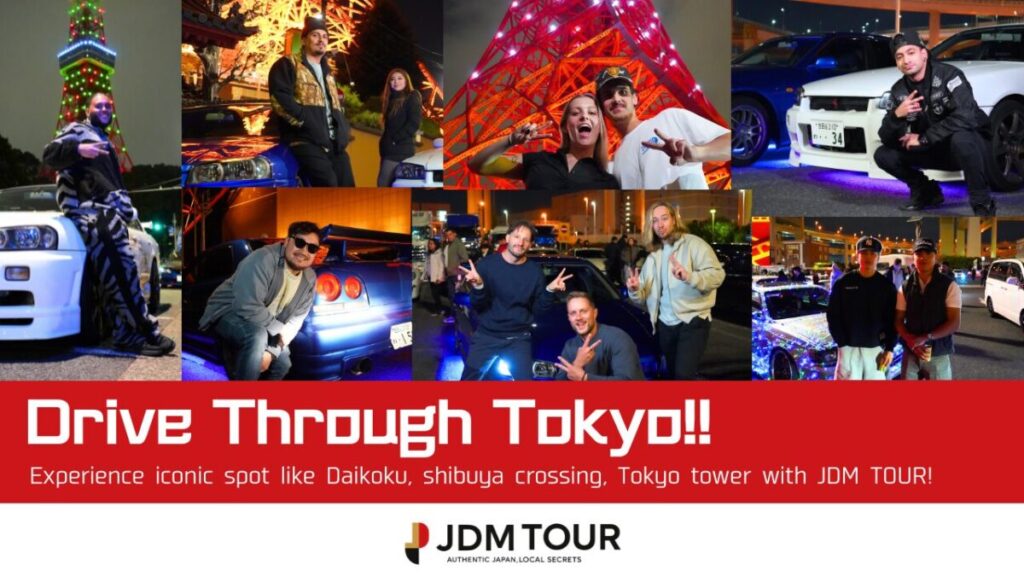
While standard rentals are practical, a new trend has exploded among car enthusiasts visiting Japan: renting “JDM” (Japanese Domestic Market) cars through specialized services like JDM TOUR.
The New Standard of Japan Travel: Public Roads in the Movie
The experience of being able to rent sports car japan is no longer just about driving; it has evolved into an "attraction" that transforms Japan's public roads into a real-life game world. In recent years, an exploding trend among international travelers is enjoying the act of driving through Japanese cities itself as a form of entertainment.
Specifically, commanding JDM machines such as the Nissan GT-R or Toyota Supra against the backdrop of Tokyo’s iconic landmarks is no longer just transportation; it is positioned as a participatory "activity." Just as cosplay driving tours have emerged, this integrated experience of car and city overturns conventional tourism, offering unforgettable, highly shareable memories that light up social media feeds.
This new style of journey, facilitated by exotic car rental tokyo services, has transformed from merely pursuing speed into a means of experiencing unforgettable "play." It allows you to deeply engage with Japan's unique culture and landscapes, creating an adventure that goes beyond traditional sightseeing.
Why is JDM So Popular Right Now?
Legendary sports cars manufactured in Japan during the 1990s and early 2000s—such as the Nissan Skyline (R34), icons for fans worldwide. For many, driving these cars on the actual roads they were designed for is a bucket-list experience that surpasses any standard sightseeing tour.
The Unique Charm of a JDM TOUR
JDM TOUR offers more than just a “car rental”; it provides a deep dive into Japanese car culture.
- The Pilgrimage to Daikoku PA: The highlight of many tours is driving to the Daikoku Parking Area on the Shuto Expressway. At night, this spot transforms into a gathering place for hundreds of beautifully customized cars, creating a vibrant atmosphere that is world-famous.
- Professional Guided Convoys: Driving a right-hand-drive manual car through the complex Shuto Expressway can be daunting. JDM TOUR offers plans where a professional guide leads the way in a lead car, ensuring you stay on the right path safely.
- Photography and Content Creation: The guides know the best “insta-worthy” spots, such as the Shibuya Crossing, Tokyo Tower, and Rainbow Bridge, allowing you to capture professional-quality memories with your dream car.
Location for JDM TOUR
Common Mistakes Beginners Make in JDM Driving
One of the most common mistakes is assuming that “I have a license, so I’m fine.” In reality, the details matter. The type of international permit, the country that issued the license, and whether a Japanese translation is required can all determine whether you are actually allowed to drive in Japan. This should be confirmed before the trip, not at the rental counter.
Another frequent mistake is choosing based only on the car. It is easy to focus on a dream model and ignore the route. But even a legendary car can feel underwhelming if the entire drive is spent in stressful city traffic or confusing road conditions. On the other hand, a less exotic but well-matched car on a great road can leave a much stronger impression.
A third mistake is underestimating the practical side of expressways and rest stops. ETC-only interchanges, toll payment methods, parking area etiquette, and route planning all matter more than many visitors expect. Japan’s road environment is well organized, but it rewards preparation.
Another major error is combining too much driving with evening social plans. Fatigue is real, especially when you are driving in an unfamiliar country and paying more attention than usual to every sign, lane, and junction. A day that includes both intensive driving and late-night activities can become exhausting much faster than expected.
Finally, some people fall into the trap of thinking that standing out is part of the experience. But highly visible car culture locations are still public places shared with other drivers, travelers, and local communities. Treating them like private photo sets or performance venues is a fast way to create problems. Good manners are not just a moral point—they protect the experience for everyone who wants to enjoy it in the future.
Final Thoughts
If you want to truly enjoy JDM driving in Japan, the path is clearer than it first appears. Start by confirming that your license situation is valid under Japanese rules. Then decide what matters most to you: atmosphere, driving pleasure, or broader travel freedom. After that, choose between a solo rental and a guided experience based not just on excitement, but on how much uncertainty you want to remove from the day.
JDM is more than a list of famous model names. Its real appeal comes alive only when those cars are experienced on Japanese roads, in Japanese scenery, within the rhythms of Japanese driving culture. That is why the best first experience is usually not the most aggressive or the most packed. It is the one that feels smooth, safe, and deeply memorable.
If you are ready to book, compare more than just the vehicle lineup. Look closely at meeting points, language support, driver requirements, insurance, ETC arrangements, and how well the service matches the route you actually want. Once those pieces line up, JDM driving stops being just an idea and becomes a highly achievable part of your Japan trip.