
Introduction
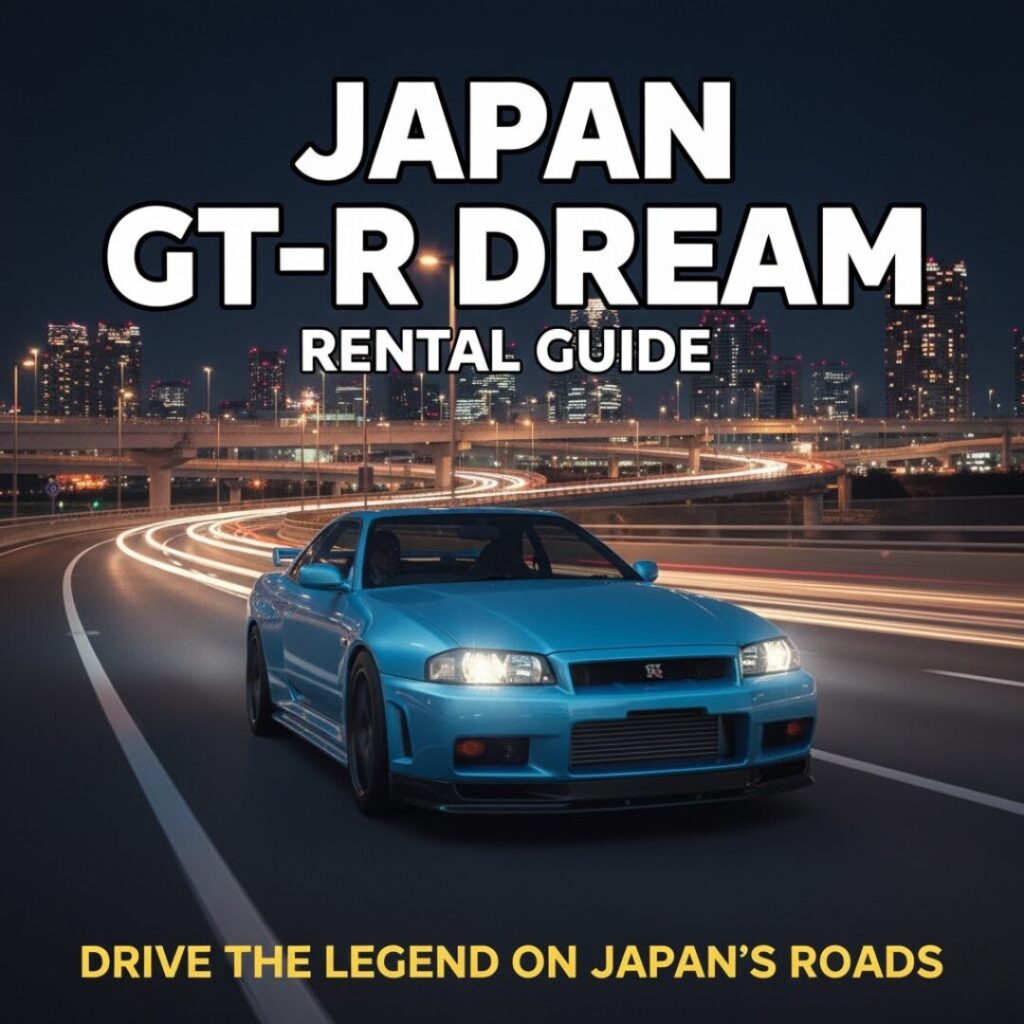
Japanese automotive culture, commonly known as the “JDM (Japanese Domestic Market),” continues to captivate enthusiasts worldwide. Among its icons, perhaps no car deserves the title of “legendary” more than the Nissan GT-R. Dubbed “Godzilla,” its performance—a culmination of engineering prowess—is more than just a car; it is an icon. For many overseas fans, one of the primary goals of a trip to Japan is the chance to drive this magnificent Nissan GT-R themselves. However, realizing the dream of driving an expensive sports car abroad involves overcoming a few hurdles.
This article is written for global automotive enthusiasts searching with the keywords “nissan gtr for rent.” It serves as a comprehensive and detailed guide for achieving the ultimate driving experience on Japan’s public roads, whether you dream of piloting a classic Skyline GT-R (R32, R33, R34) or the modern R35. Beyond mere rental procedures, we provide all the information you need, delving into the deep allure of the legendary GT-R, the specific requirements for rental, and the best special drive routes in Japan. By reading this article, you will gain a clear path to realizing your dream of sports car rental, equipping you to transform your Japan trip into an unforgettable driving experience.
We aim not just to introduce rental providers but to furnish detailed knowledge regarding Japanese traffic laws, license requirements, proper insurance, and the unique handling characteristics of the GT-R. Our goal is to ensure you can enjoy the GT-R’s true performance safely, legally, and above all, thrillingly. Let us now open the door to the ultimate JDM car adventure: taking the wheel of a right-hand drive GT-R on Japanese soil.
1. The Legacy Continues: Nissan GT-R’s History and Place in JDM Culture
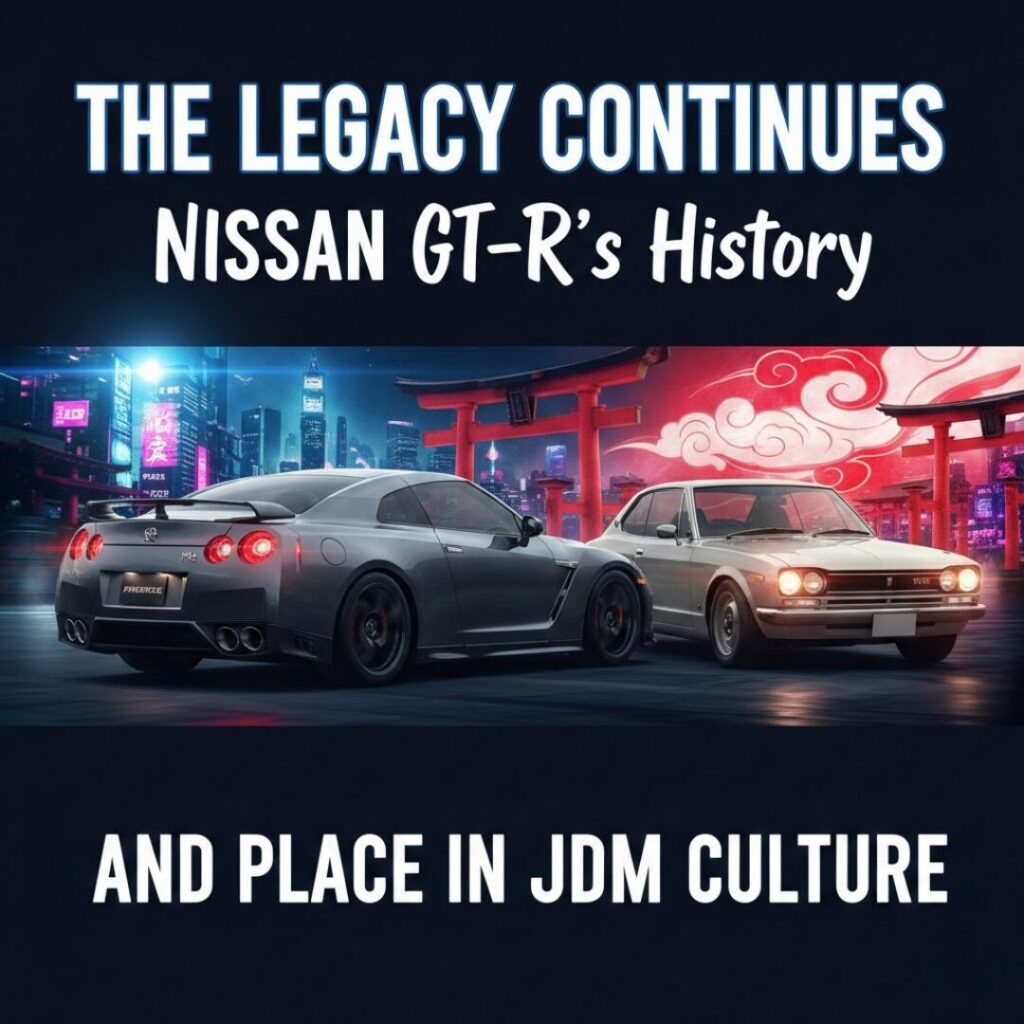
The Nissan GT-R is more than just a high-performance vehicle; it symbolizes the very essence of Japanese motorsport history and JDM car culture. Its roots trace back to 1969, where it was born as a purebred sports car destined for racing victory.
The Golden Age of the Skyline GT-R (R32, R33, R34)
The GT-R’s legend was cemented with the introduction of the third generation, the Skyline GT-R (R32), in 1989. Its overwhelming dominance in the All Japan Touring Car Championship (JTCC) is why the GT-R earned its nickname, “Godzilla.”
R32 Model (1989-1994): The Return of the Legend
Born to “win under Group A regulations,” the R32 featured the advanced ATTESA E-TS four-wheel-drive system and the legendary RB26DETT engine. This model was a key catalyst for the modern JDM car boom, and its unique design and racing pedigree continue to attract countless enthusiasts. In the Japanese car rental market, the R32 is treated as a highly valued, nostalgic model.
R34 Model (1999-2002): The Pinnacle of JDM Icons
The model that gained global fame, particularly through films and video games, is the R34 type. Its angular design, multi-function display, and the final evolution of the RB26 engine lead many fans to consider the R34 the “ultimate Skyline GT-R.” Among those looking for a “nissan gtr for rent,” the R34 is one of the most coveted models. Its rental cost is often set high, reflecting its scarcity and immense popularity.
The R35: A New Era Supercar
Introduced in 2007, the “Nissan GT-R (R35)” dropped the Skyline name and fundamentally changed the GT-R philosophy. It abandoned the traditional inline-six engine in favor of the newly developed VR38DETT V6 twin-turbo engine, meticulously custom-tuned by skilled artisans.
Technological Innovations of the R35
The R35 incorporates cutting-edge technology, including an electronically controlled four-wheel-drive system and a dual-clutch transmission, establishing its status as a “Multi-Performance Sports Car” that anyone can drive fast. This model is highly popular in the Japanese car rental industry, offering the highest performance driving experience. It is the perfect choice for drivers on a Japan trip who wish to experience the latest technology.
2. Specific Procedures and Requirements for Renting a GT-R in Japan
To make your Nissan GT-R sports car rental a reality, you must meet several specific preparation steps and requirements. Understanding Japanese law and the rental company’s regulations is particularly important for visitors from abroad.
Driver’s License Preparation
To drive on Japanese public roads, you generally require a Japanese driver’s license or an International Driving Permit (IDP).
International Driving Permit (IDP)
An IDP issued under the “Geneva Convention,” to which Japan is a signatory, is essential. The IDP must be applied for and obtained from the relevant authority in your home country before departure, provided you hold a valid license for the duration of your stay in Japan. IDPs cannot be issued within Japan. Crucially, IDPs based on treaties other than the Geneva Convention (such as the Vienna Convention) are not recognized in Japan, so verify which convention your IDP adheres to.
Other Important Considerations
For residents of some countries (Switzerland, Germany, France, Taiwan, Belgium, Monaco), it is possible to drive by presenting a “Japanese Translation” issued by the Japanese Automobile Federation (JAF) or a local license center, along with your national license. This option is particularly convenient for shorter Japan trips.
Age Restrictions and Driving Experience
Due to the high performance of a JDM car like the GT-R, restrictions are typically stricter than for standard passenger vehicles.
- Age Limit: Most rental companies impose a minimum age requirement, commonly 25 years or older. This is primarily for insurance and safety purposes.
- Driving History: Some companies may require a driving history of three or even five years post-licensure. This ensures that the driver possesses the necessary skills to safely control a high-powered vehicle like the GT-R.
Rental Reservation and Payment
Since GT-Rs are limited in number, especially during peak tourist seasons, early booking is crucial.
- Online Reservation: Many specialized car rental companies have websites dedicated to “nissan gtr for rent,” allowing for online reservations. You can check the specific model (R34, R35, etc.), the extent of customization, and the rental cost.
- Security Deposit (Deposit): Due to the high value of the vehicle, it is common practice to require a substantial security deposit (usually a temporary hold on a credit card) at the time of rental. This is to cover potential damages or losses.
3. Selecting the Right Specialized Provider and GT-R Model
In Japan, there are specialized rental companies that focus on JDM cars and sports car rental. Choosing one of these providers is the key to an authentic and high-quality GT-R driving experience.
Characteristics of Specialized Rental Companies
Standard Japanese car rental chains do not typically carry high-end sports cars like the GT-R. Companies specializing in the GT-R maintain their vehicles to an exceptionally high standard and often feature a range of highly customized cars.
Extensive Model Lineup
- Classic Models: Specialized providers are the only place you can rent highly rare classic Skyline GT-R models, such as the R34 and R33. These models are popular among those wishing to experience the true essence of JDM car culture.
- Current Models: You can find a wide selection of R35 models, from the standard version to Nismo editions, and even heavily customized and tuned high-power variants.
Average Rental Cost and Considerations
The rental cost for a GT-R is significantly higher compared to ordinary cars.
- Daily Rate: Depending on the model, year, and extent of customization, the average daily rate for an R35 is often between ¥50,000 and ¥150,000. Rarer cars like the R34 may be even more expensive.
- Mileage Limit: Considering the wear and tear on high-performance cars, most companies impose a daily mileage limit, typically around 200km to 300km. Exceeding this limit will incur additional charges, so meticulous drive planning is necessary.
Insurance and Worry-Free Driving
When renting a high-performance vehicle, securing adequate insurance is paramount.
Collision Damage Waiver (CDW)
By enrolling in CDW, you can waive the deductible for the physical damage and third-party liability portions of the insurance in the event of an accident. This is considered essential. However, it is crucial to carefully review the insurance details, as single-vehicle accidents, self-inflicted damage, or damage to custom JDM car parts may not be covered by the CDW.
Non-Operation Charge (N.O.C.)
You must also consider the Non-Operation Charge (NOC), which is compensation paid to the rental company for loss of business while the vehicle is being repaired due to an accident, theft, or damage. Confirm if there is an option (like wide coverage) to waive this payment, and strongly consider adding it.
4. Japan’s Ultimate Drive Routes to Maximize the Nissan GT-R‘s Performance
Since you are renting a GT-R, you will want to choose drive routes where you can safely and fully unleash its breathtaking performance. Japan’s beautiful scenery and winding roads make the JDM car driving experience truly exceptional.
Mount Fuji Area: Grand Views and Dynamic Driving
- Fuji Subaru Line: This toll road leads up to the Fifth Station of Mount Fuji. The scenery changes as you gain altitude, and the vast parking lot near the summit offers spectacular views. Be mindful of the tight corners and maintain safe speeds.
- Hakone Area: Known for its many winding roads, the Hakone area was famously featured in “Initial D.” The Turnpike (towards the Mazda Sky Lounge) is particularly suitable for a GT-R driving experience, offering a good mix of curves and straights.
Western Japan’s JDM Sanctuaries: Inland Sea and Mountain Roads
- Shimanami Kaido: This highway connects Onomichi City in Hiroshima Prefecture with Imabari City in Ehime Prefecture, traversing the sea. This liberating drive will be a highlight of your Japan trip.
- Mount Aso Area: The “Yamanami Highway” runs through the vast caldera of Kumamoto Prefecture, providing a drive course with excellent visibility and magnificent, sweeping landscapes.
Greater Tokyo Area: Late-Night Capital Highway and Tatsumi PA
For true JDM car fans, a late-night drive on the Metropolitan Expressway (Shutoko) is a must. The Bayshore Route and the C1 (Inner Circular Route) are particularly good for testing the GT-R’s high-speed stability.
- Tatsumi PA: This parking area is famous as a gathering spot for GT-Rs and other custom sports cars. While you can meet fellow JDM car enthusiasts here, speed limits are strictly enforced. Japanese highways are heavily monitored by speed cameras (Orvis) and unmarked police cars (often white sedans).
5. Unique Challenges and Solutions for Driving a Right-Hand Drive GT-R
For drivers from abroad, the right-hand drive, left-side traffic driving experience in Japan requires adaptation. To safely pilot a high-performance vehicle like the GT-R, understanding Japanese traffic laws and the characteristics of right-hand drive operation is essential.
Adapting to Left-Side Traffic and Right-Hand Drive
- Driving Feel: It may initially be challenging to gauge the distance of the vehicle’s left edge. Pay close attention to your spatial awareness, especially when making left turns (tight turns) or passing other vehicles.
- Lane Changes and Overtaking: When a right-hand drive vehicle is passing a car on the right side, the driver can have difficulty ensuring a clear view of oncoming traffic. Refrain from overtaking until a safe line of sight is absolutely confirmed.
Japanese Traffic Rules: Key Differences from Overseas
Legal Speed Limits
The legal speed limit on Japanese ordinary roads is generally 60 km/h, and on expressways, it is typically 100 km/h (some sections are 120 km/h). While driving a high-performance GT-R might tempt you to speed, Japanese police are very strict, and enforcement via speed cameras and unmarked patrol cars is frequent.
Signals and Signs
Japanese traffic lights are typically vertical. Furthermore, the “STOP” sign (temporary stop) is a red inverted triangle, and you must come to a complete stop at the designated white line.
Specific Handling Cautions for the GT-R
- Vehicle Size: The GT-R (especially the R35) is relatively wide for typical Japanese roads. Exercise extreme caution when navigating narrow streets or parking lots.
- Transmission: The R35 features a dual-clutch transmission, and some jerkiness at low speeds, as well as reverse operations, requires a bit of getting used to.
6. Customization and Tuning: Experiencing the True Spirit of the JDM Car
One of the core elements of JDM car culture is customization and tuning. Due to the high potential of the GT-R, it is often subjected to unique customizations by various tuners.
Renting a Tuned GT-R
Specialized car rental companies often offer not only stock vehicles but also custom cars equipped with parts from famous tuning shops (like HKS, Mine’s, and TRUST/GReddy).
- Engine Tuning: Experiences like the change in exhaust sound due to muffler upgrades or increased horsepower from turbocharger replacements offer a driving experience that stands apart from the stock car.
- Exterior and Aero: Vehicles fitted with aero parts from brands like NISMO or Veilside visually enhance the GT-R‘s imposing presence.
Guidelines for Driving a Customized Vehicle
A custom GT-R will handle significantly differently from a stock one.
- Responsiveness: Custom GT-Rs often have very sharp throttle response and braking, requiring careful and measured operation.
- Heat and Noise: Tuned engines and custom mufflers generate more heat and noise than stock setups. Be considerate of local residents, especially when idling in urban areas or during late-night drives.
7. Added Value for Your Japan Trip: Benefits of GT-R Rental and Creating Unforgettable Memories
Renting a Nissan GT-R offers far more than just transportation. It is the ultimate added value, elevating your entire Japan trip and providing a profound driving experience and unforgettable memories.
Dream JDM Car Amidst Japanese Scenery
The greatest benefit of renting a GT-R is fulfilling the long-held dream of “driving a JDM car in Japan.”
- Photogenic Moments: The iconic silhouette of the GT-R set against beautiful Japanese backdrops—like Mount Fuji, cherry blossoms, or ancient cities—makes for incredible photos. These pictures will be the most captivating highlight of your Japan trip.
- Cultural Immersion: Driving a right-hand drive Skyline GT-R in the land where it was born and experiencing its performance allows you to understand JDM car culture from the inside out.
Balancing Rental Cost and Value
While the rental cost of a GT-R is high, the value of the experience is immeasurable.
- Comparison to Purchase Cost: The used car prices for the R34 and R35 are skyrocketing, making rental the most practical option for those seeking a temporary driving experience.
- Maintenance: Maintaining a GT-R incurs significant expenses. Renting allows you to enjoy a car in peak condition without worrying about the massive maintenance costs.
Connecting with the JDM Car Enthusiast Community
Driving a GT-R in Japan is also a valuable access point to the JDM car enthusiast community.
- Attending Gatherings: GT-R meetups are often held at weekend Parking Areas (PA), offering opportunities to interact with international GT-R owners.
Renting a GT-R requires meticulous planning and preparation, but once you overcome these hurdles, an unparalleled, intense, and exciting driving experience awaits. We sincerely hope you will make the legendary sports car drive the highlight of your Japan trip.
Recommended Services
For those considering JDM car rental in Japan, we introduce highly recommended services.
- JDM TOUR (https://jdmtour.com/): This service specializes in JDM cars, featuring a rich lineup of not only the GT-R but also other legendary JDM cars. You can expect helpful support with drive planning and insurance during your Japan trip.
- Omoshiro Rent-A-Car: They handle a wide variety of sports cars, with a substantial lineup of GT-R models. They also offer some vehicles with relatively reasonable rental cost settings.
Conclusion and Final Thoughts
In this article, we have provided a detailed guide on renting a Nissan GT-R in Japan to achieve the ultimate driving experience, covering everything from its historical background to specific procedures, drive routes, and the appeal of custom vehicles.
The GT-R is the pinnacle of Japanese automotive technology and the soul of JDM car culture. Renting it is not just about transportation; it is a journey steeped in history, technology, and passion. The key to success lies in thorough preparation.
- Legal Requirements: Confirming your International Driving Permit (IDP) is the highest priority to ensure you can drive legally.
- Safety: Fully understand your insurance and compensation systems (CDW, NOC), and ensure complete insurance coverage before embarking on your drive.
- Respect: Respect Japanese traffic laws and the characteristics of right-hand drive operation, always striving for a safe and responsible driving experience.
As you plan your Japan trip now, the dream of “nissan gtr for rent” is no longer out of reach. We sincerely hope this article serves as a concrete roadmap for realizing your GT-R rental, and that you experience the most exciting drive of your life—hearing the legendary GT-R engine roar on the public roads of Japan and feeling its immense power in your hands.
Now, let your GT-R adventure begin.