Introduction
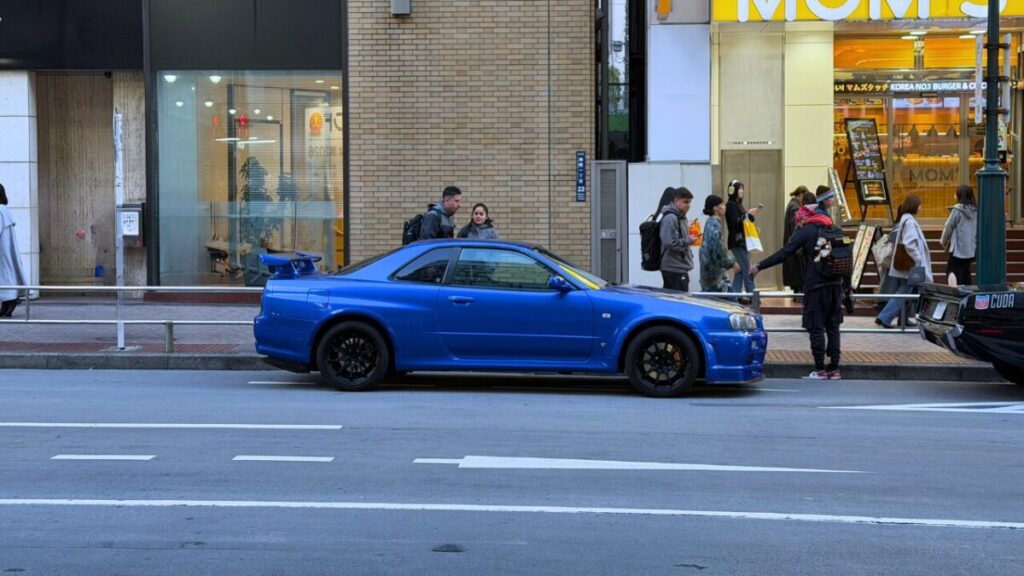
The countless lights of Tokyo’s skyscrapers flicker past as you weave through the Shuto Expressway’s Inner Circular Route—the legendary “C1.” As the orange streetlights disappear behind you in a rhythmic blur, what you hold in your hands is the thick, tactile steering wheel of a Nissan Skyline, a machine craved by enthusiasts worldwide. For every car lover visiting this country, the decision to Rent a Skyline in Japan is far more than just securing a means of transportation. It is a supreme ceremony—a gateway into the depths of JDM (Japanese Domestic Market) culture and a chance to experience the “philosophy of driving” refined over decades.
As you search for the best way to Rent a Skyline in Japan, the legends you once admired through movie screens and video games are now manifesting as real asphalt beneath your tires. From the “Godzilla” lineage of the R32 to the R34, to the sophisticated modern V37 models, the name Skyline has always been the ultimate symbol of the king of Japanese roads. However, taming this legend amidst Japan’s complex traffic rules and the labyrinthine highways of Tokyo requires proper preparation and expert knowledge.
In this guide, We cover specific steps for booking, the latest rental shop landscapes, crucial international license requirements, and professional know-how for navigating a legendary GT-R safely yet thrillingly. The true value of the phrase Rent a Skyline in Japan will be etched into your soul the moment you floor the accelerator and hear the engine’s roar. Are you ready? The time to take the wheel of a legend and claim the “authentic Japan” you’ve been searching for is finally here.
The Magnetism of the Skyline: Why Enthusiasts Choose to Rent a Skyline in Japan
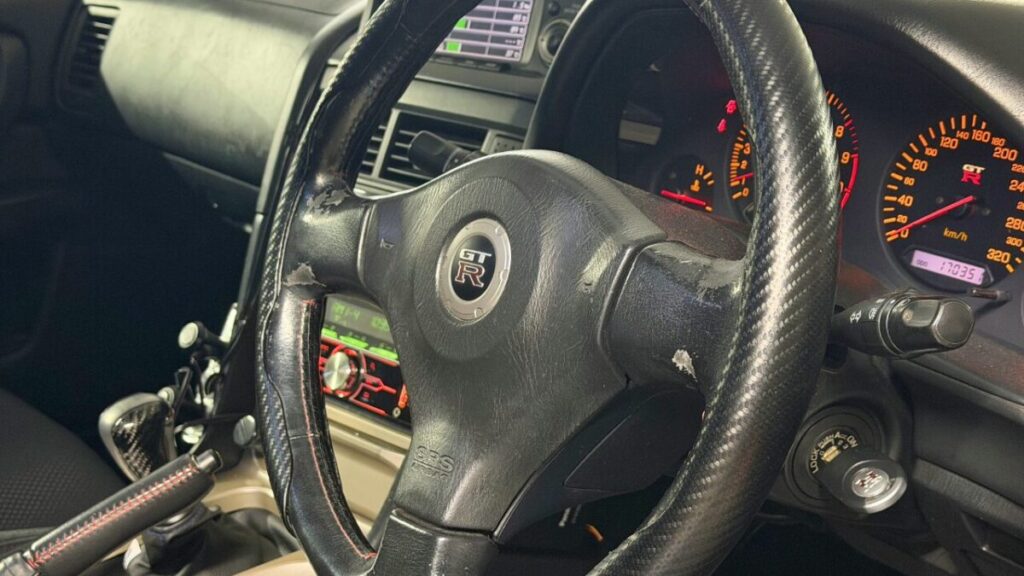
In the global landscape of automobile culture, few machines have achieved the near-mythical status of the Nissan Skyline. Specifically, the trilogy of the R32, R33, and R34 GT-R that defined the golden era of the 1990s are no longer just cars; they are “rolling pieces of art,” often trading for tens of millions of yen at international auctions. Against this backdrop, the decision to Rent a Skyline in Japan offers a rare opportunity for travelers to engage in a “dialogue with a legend” that was once thought impossible. The chance to grip the wheel of a vehicle maintained in mint condition—thanks to Japan’s world-class road infrastructure and the stringent Shaken (vehicle inspection) system—is the ultimate reason enthusiasts cross oceans to drive here.
When you commit to Rent a Skyline in Japan, your first challenge is the enviable dilemma of “which era of the legend to choose.” Will it be a neo-classic model where you feel the raw, visceral pulse of the RB26DETT engine, or perhaps the modern V37 400R, boasting over 400 horsepower coupled with sophisticated comfort? Each generation possesses a distinct character that resonates perfectly with Tokyo’s complex urban architecture. Choosing to Rent a Skyline in Japan is not merely about securing a rental car for transportation; it is about touching the pinnacle of Japanese automotive engineering. This experience has the power to redefine your very understanding of “automotive passion” and leave an indelible mark on your life’s journey.
Mastering the Legend: Driving Dynamics and Technical Nuances of the Skyline
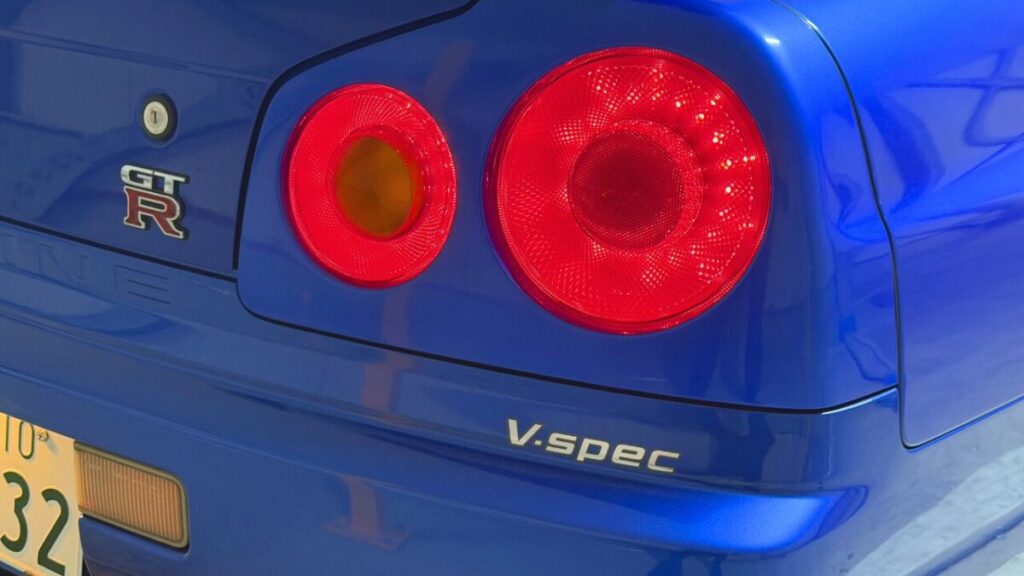
The first sensation that hits a driver who decides to Rent a Skyline in Japan is the profound “dialogue with the machine.” Especially when renting a GT-R model from the R32 to R34 generations, the core of the experience lies in the legendary 5-speed or 6-speed gated manual transmission (MT). Unlike modern lightning-fast paddle shifters, every time you engage the clutch and notch the heavy shift lever into gear, the tactile sensation of metal meshing is transmitted directly to your palm. This “analog operational feel” is the primary reason enthusiasts Rent a Skyline in Japan, but it also demands meticulous care. Since these are cherished vintage machines, precise and gentle shifting—especially when the oil is cold—is essential to respect the vehicle’s mechanical integrity.
Furthermore, no discussion of the Skyline’s performance, particularly the GT-R, is complete without mentioning the advanced electronic 4WD system, ATTESA E-TS. This system provides the nimble handling of a rear-wheel-drive car under normal conditions, but the moment you power out of a corner, it redistributes torque to the front wheels, achieving an otherworldly grip that feels like claws digging into the asphalt. However, when you Rent a Skyline in Japan, you must remember that these are not the “over-protective electronic aids” found in modern cars. At the limit, the driver’s skill is truly tested. On Japan’s narrow mountain passes or the complex Shuto Expressway, the golden rule for taming the legend is to never overrate the machine’s limits, focusing instead on composed braking and smooth steering inputs.
Additionally, one must be mindful of the turbocharged nature of many rental units. The “wave of acceleration” that surges in a beat after you floor the pedal is exactly what captivates JDM fans, but unleashing this power while navigating Japan’s left-hand traffic from a right-hand drive seat requires constant situational awareness. The driving feeling gained through the choice to Rent a Skyline in Japan is not just about raw speed; it is about reaching a state of “Jinba Ittai” (oneness between horse and rider). As you absorb the roar of the engine and the detailed feedback from the suspension, navigate the roads of Japan with a blend of caution and boldness.
Navigating the Streets: Essential Precautions for Driving a Skyline in Japan
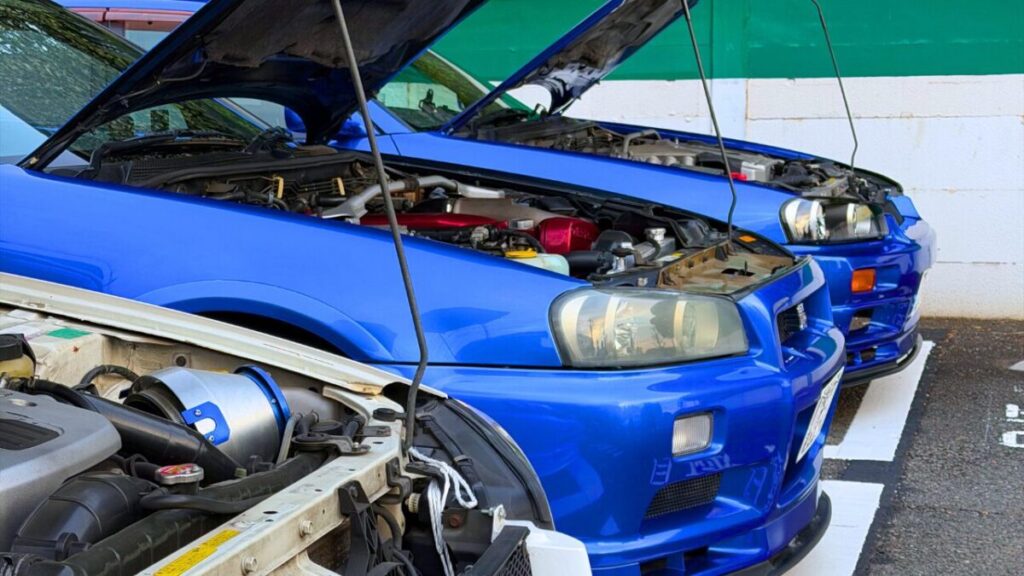
Cruising in a Skyline on Japanese soil is the ultimate “bucket list” item for JDM fans worldwide. However, Japan’s road environment has evolved in a uniquely distinct way compared to Western or other Asian nations. When you choose to Rent a Skyline in Japan, you aren’t just getting a car; you are taking command of a precision instrument with low ground clearance, a wide stance, and explosive power that can be unleashed with a mere twitch of your right foot. To enjoy this legendary icon safely without damaging it, you must possess a deep understanding of Japan’s specific infrastructure, laws, and unspoken road etiquette. Here is a structural breakdown of the critical points to ensure your dream drive doesn’t turn into a financial nightmare.
1. Understanding Japan’s Narrow Roads and Urban Infrastructure
Urban centers in Japan—ranging from residential districts like Setagaya in Tokyo to the winding alleys of Kyoto—feature streets that are notoriously narrow. Before you push the limits of your Rent a Skyline in Japan experience, you must master the spatial awareness of your vehicle within these tight physical constraints.
Low Ground Clearance Traps
Most Skylines provided by specialists like Omoshiro Rental Car or GT-NET are “low-down” models, tuned for aesthetics and track handling. In Japan, the steep curbs at convenience store entrances, the metal flaps of coin-operated parking lots, and the sharp inclines of underground garages are “landmines” for a Skyline. Entering these head-on will almost certainly shatter expensive carbon fiber front lips or side skirts. Mastering the “diagonal entry” technique—approaching bumps at an angle—and constantly scanning the road surface like a professional driver is a mandatory skill.
2. The Labyrinth of Tokyo’s Shuto Expressway (C1)
The Shuto Expressway, particularly the Inner Circular Route (C1), is a complex urban highway woven between skyscrapers. Navigating this in a Skyline requires intense concentration and an understanding of Japan’s unique traffic dynamics.
Left-Hand Traffic and Right-Hand Drive Visibility
Japan drives on the left, and almost every vehicle for a Rent a Skyline in Japan experience is right-hand drive. For many international drivers, this “mirrored” world puts a significant cognitive load on the brain. Turning right at intersections (crossing oncoming traffic) or changing lanes on the C1 requires extra vigilance regarding blind spots. You must constantly monitor your left-rear fender line through side mirrors and shoulder checks; otherwise, maintaining a high-speed line in a wide Skyline becomes hazardous.
Complex Merging and “Right-Side Exit” Rules
The C1 is famous for having on-ramps and off-ramps on both the left and right sides. While most global highways follow a “merge from left, pass on right” logic, the Tokyo labyrinth ignores these conventions. The moment your navigation announces a right-side split, you must adjust the Skyline’s power and merge seamlessly. Be careful not to let sudden turbo boost startle surrounding drivers; smooth throttle work is the hallmark of a pro.
3. Strict Traffic Enforcement and Speed Limits
Japanese traffic police are highly efficient, and enforcement is strict. You must recognize that a flashy sports car will naturally draw more attention from the authorities.
Orbis Cameras and Unmarked Patrol Cars
High-precision “Orbis” (automated speed cameras) are stationed throughout major highways and tunnels. If you get carried away by the roar of the RB26 engine and exceed the limit while you Rent a Skyline in Japan, your violation is recorded instantly. Furthermore, unmarked patrol cars (Yukimen) blend into traffic, specifically targeting high-performance cars on the C1 and Wangan routes at night. To avoid heavy fines and issues with your rental provider, “mature driving” within legal limits is highly recommended.
4. Parking Challenges for Wide Sports Cars
The idea that you can “park anywhere” does not exist in Japan. For wide models like the R34 GT-R, securing a proper parking spot can make or break your trip.
Mechanical Parking Limitations
Many urban areas use automated “tower” parking systems with strict limits on weight, height, and wheel width. Most Skylines equipped with wide sports tires simply won’t fit or risk curbing their rims on the narrow pallets. Always search for “Self-Park” (Flat surface) lots as a priority to ensure your Rent a Skyline in Japan journey remains stress-free.
5. Managing Fuel and the “High-Octane” Requirement
The heart of a Skyline—whether it’s the RB26DETT or the modern VR30DDTT—is tuned for high-quality Japanese fuel. A fueling error can lead to engine failure.
Strict Adherence to Premium (High-Octane) Fuel
Gas stations in Japan use color-coded nozzles: Red for Regular, Yellow for High-Octane (Premium), and Green for Diesel. You must always use the Yellow nozzle for a Skyline. While octane ratings differ globally, Japanese “High-Octane” is a top-tier fuel (approx. 100 RON). Using cheaper Regular fuel will cause engine knocking and trigger “safe mode.” In the worst-case scenario, it could lead to an engine blow-out, leaving you liable for millions of yen in damages under your rental agreement.
Where to Rent: Top Tier Services to Rent a Skyline in Japan
Choosing the right shop is the most critical decision when you plan to Rent a Skyline in Japan. The vehicle’s maintenance quality, insurance coverage, and support for international drivers vary significantly. Here is a detailed comparison of the top three services to ensure your dream drive is seamless.
1. JDM TOUR
Currently the most acclaimed service for an authentic JDM experience, JDM TOUR goes beyond traditional car rentals by offering “cultural immersion” through driving.
- Pristine Vehicle Conditions: They specialize in collector-grade Skylines. For enthusiasts looking to Rent a Skyline in Japan, the opportunity to drive a meticulously maintained R34/35 GT-R is an unmatched advantage.
- English-First Hospitality: Unlike many domestic shops that operate only in Japanese, JDM TOUR provides full English support. From the booking process to the pre-drive briefing, they eliminate the language barrier entirely.
2. Ichioku Tours
Known for their unique fleet, Ichioku Tours caters to those looking for a specific “street-style” vibe.
- Modified JDM Icons: Their strength lies in offering Skylines that embody Japanese tuning culture. If you want to hear the distinct intake and exhaust notes of a modified RB26 engine, this is your go-to destination.
- Guided Tour Options: They offer lead-follow touring packages, which are excellent for those who want to Rent a Skyline in Japan but feel nervous about navigating complex Japanese roads alone.
3. Omoshiro Rental Car
As a veteran in the sports car rental industry, Omoshiro Rental Car boasts an extensive network across Japan.
- Unrivaled Accessibility: With locations near Narita Airport and within Tokyo, it’s incredibly convenient for travelers wanting to Rent a Skyline in Japan immediately upon arrival.
- Generational Variety: Their fleet spans from the R32 to the modern V37 400R. While they offer great variety, their popular models are often booked months in advance, making early reservation essential.
From Booking to Ignition: The Step-by-Step Rental Process in Japan
The final step in making Rent a Skyline in Japan a reality is the in-person procedure at the shop. The process right before you receive the legendary key is more than mere paperwork; it is a time to build “trust” between you and the provider. Specialized shops in Japan follow strict yet courteous protocols for enthusiasts from around the world.
1. Arriving at the Shop and Identity Verification
Confirm the shop’s location and arrive with time to spare. Whether near Narita Airport or in the Tokyo suburbs, navigating a new area can take longer than expected.
- The “Holy Trinity” of Documents: To Rent a Skyline in Japan, you must present three essential items:
- Your Passport: Basic identification.
- International Driving Permit (IDP): Must be in the format required by the Geneva Convention.
- Original Driver’s License from your home country: Japanese shops almost always require the original license alongside the IDP. Failure to provide any of these will result in an immediate cancellation of your drive.
2. Signing the Agreement and Safety Briefing
After verification, you will sign the Rental Agreement. This includes a briefing on Japanese traffic laws, emergency protocols, and specific instructions on handling classic Skylines.
- Detailed Vehicle Inspection: Before heading out, perform a meticulous exterior check with the staff. Given the immense value of these cars, taking photos or videos of the vehicle’s condition is a smart move to protect yourself from future disputes.
3. The Security Deposit: Managing High-Value Risks
This is perhaps the most crucial aspect of the Rent a Skyline in Japan experience. Most shops dealing in rare GT-Rs require a significant Security Deposit.
- Deposits Up to 1,500,000 JPY: Because models like the R34 GT-R are skyrocketing in market value, shops may secure a deposit of up to 1.5 million yen (approx. $10,000 USD) on your credit card. As long as the vehicle is returned without damage, this amount is fully refunded or released.
- Invest in “Peace of Mind” Over Low Costs: Do not let a high deposit deter you; it is a reflection of the legend’s worth. When looking to Rent a Skyline in Japan, seeking the cheapest option is often a mistake. Shops with robust deposit systems and professional pricing offer better maintenance and superior insurance. By acknowledging the risks and paying for a premium service, you ensure that your Japanese adventure remains a dream, not a disaster.
Conclusion: Ensuring a Safe and Legal Legacy Experience
Your journey to Rent a Skyline in Japan is reaching its peak. While we’ve covered the allure of the car, driving techniques, and top-tier shops, we must conclude with the most vital element: your safety and legal protection. As the JDM scene gains global fame, some unscrupulous operators have emerged. To prevent your dream from becoming a legal disaster, please keep these final checks in mind.
1. The Trap of Illegal Passenger Tours (The “White Taxi” Issue)
If you prefer to enjoy the Skyline from the passenger seat, you must be aware of the “White Taxi” (Shirotaku) risk.
- The Illegality of Unlicensed Transport: In Japan, using a private car (white plate) or a rental car to provide paid passenger services is strictly illegal without a “Green Plate” (commercial license) and a Class 2 driver’s license. Authorities are increasingly cracking down on these illegal tours. If you are caught in one, the tour will be halted, and more importantly, no insurance will cover you in the event of an accident. Always verify that a passenger tour operator is a legally licensed transportation business.
2. Verification of Insurance and Operating Licenses
Choosing a shop based solely on price is the biggest risk you can take when you Rent a Skyline in Japan.
- Transparency of Coverage: Not all providers carry comprehensive insurance. Before booking, ensure the policy includes unlimited liability for bodily injury and property damage, and check the specifics of the vehicle damage coverage. A reputable shop, like JDM TOUR, will always be transparent about these costs and their legal standing. Avoid under-the-table rentals or services that lack formal contracts, as they often operate without valid insurance.
3. Final Thoughts: Investing in Quality for Peace of Mind
Ultimately, the choice to Rent a Skyline in Japan is a significant investment in your own life experience. Rather than cutting corners on price, investing in a service that prioritizes legality and safety is the smartest move. By hedging your risks and securing professional support, you ensure that the city lights of Tokyo and the curves of Hakone remain perfect memories. Once your preparations are complete, all that’s left is to start the engine. Have a legendary, safe, and unforgettable drive in Japan!