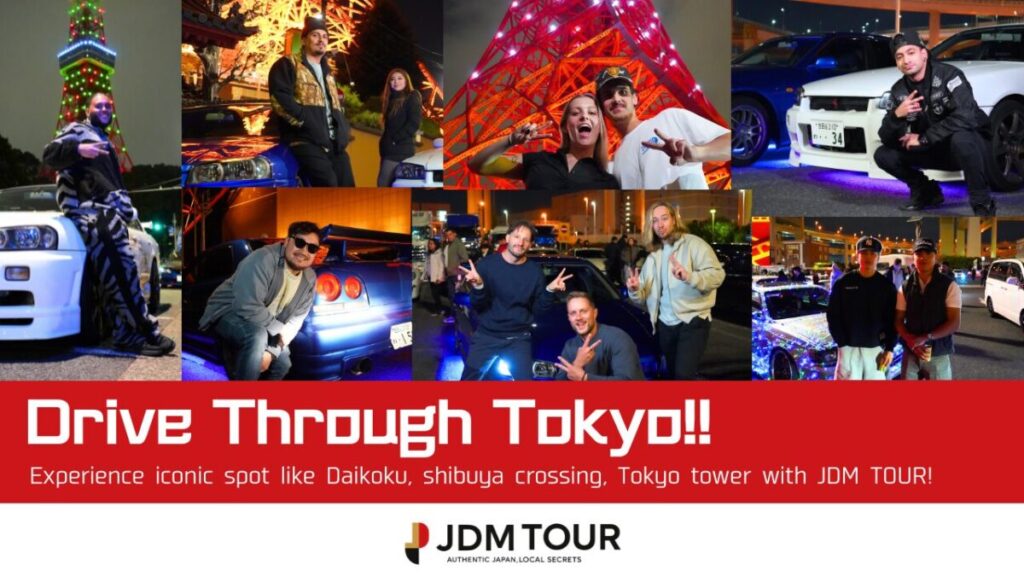
Daikoku PA Tour How Passengers Can Stay Comfortable During the Drive
Daikoku PA Tour How Passengers Can Stay Comfortable During the Drive
contents
Introduction
ADaikoku PA tour is not only about arriving at Daikoku Parking Area. The drive through Tokyo, the views from the passenger seat, and the time spent inside a JDM car are all important parts of the experience.
While the driver must focus on Japanese roads and surrounding traffic, passengers can enjoy the scenery, record videos, talk with their group, and look out for iconic Tokyo landmarks. However, first-time visitors may have questions about motion sickness, restrooms, camera equipment, luggage, and filming safely inside the vehicle.
A little preparation can make the journey much more comfortable. This guide explains what passengers should do before departure, what filming equipment they may wish to bring, and how to balance recording the tour with enjoying it through their own eyes.
Prepare Before Your Daikoku PA Tour Begins
Passenger comfort starts before entering the vehicle. Eating at the right time, using the restroom, checking your equipment, and telling the staff about any health concerns can prevent avoidable problems later.
Use the Restroom Before Moving to the Vehicle
It is a good idea to use the restroom immediately before departure.
A restroom is available at the JDM TOUR office, so passengers can use it before moving to the tour vehicle. This is especially helpful for guests who are not accustomed to longer drives or who have been drinking water throughout the day.
Traffic and route conditions may make it difficult to stop immediately after the tour has started. Using the office restroom before departure is therefore one of the simplest ways to stay comfortable during the drive.
Eat Early and Avoid a Heavy Meal
Passengers who are sensitive to motion sickness should avoid eating a large meal immediately before the tour.
In particular, consuming a large amount of greasy or heavy food may make the journey less comfortable. However, joining the tour on a completely empty stomach is not ideal for everyone either.
Try to finish your meal a little before the scheduled starting time and choose a moderate amount of food. Leaving enough time between eating and entering the vehicle can help you feel more settled when the drive begins.
Get Enough Sleep
Fatigue and lack of sleep can make some passengers feel uncomfortable in a moving vehicle.
Try to get sufficient rest the night before the tour. On the day of your booking, it is also better not to schedule an exhausting sightseeing itinerary immediately before departure.
Passengers who normally use motion-sickness medication should prepare it in advance and follow the product instructions or advice from their healthcare professional.
Tell the Staff About Any Concerns
Please tell the JDM TOUR staff before departure if you are concerned about your health, motion sickness, or another issue that could affect your comfort.
Sharing this information early allows the staff to understand your situation before the vehicle leaves. It is better to mention a concern at the beginning than to wait until you are already feeling unwell.
Practical Motion-Sickness Tips for Passengers
Looking continuously at a smartphone or camera screen can make motion sickness worse for some people. This is especially relevant to passengers who plan to record long videos or monitor a livestream throughout the journey.
To reduce discomfort:
Avoid both overeating and joining on a completely empty stomach.
Limit large quantities of greasy food before departure.
Get enough sleep.
Prepare your usual motion-sickness medication when necessary.
Look up and focus on the road or distant scenery regularly.
Avoid reviewing or editing videos for long periods in the moving vehicle.
Tell the staff as soon as you begin to feel unwell.
Do not feel that you must keep filming every minute. Taking breaks from the screen can improve both your physical comfort and your overall experience.
What Filming Equipment Can Passengers Bring?
Some JDM TOUR passengers bring a GoPro or DJI Osmo Pocket to film the Tokyo night drive. A smartphone may be all you need, but compact cameras and small stabilizers can help produce smoother footage.
Common items include:
A smartphone
A GoPro or another compact action camera
A DJI Osmo Pocket
A small handheld gimbal
A mobile power bank
Spare batteries
Additional memory cards
A lens cloth
A secure wrist strap or anti-drop strap
You do not need to bring every item on this list. Choose equipment that you already know how to operate safely and that will not create unnecessary clutter inside the vehicle.
Before departure, check your battery level and available storage space. It is frustrating to discover that a device is full or out of power before reaching Daikoku PA.
Ask Before Attaching Equipment Inside the Vehicle
Passengers who want to attach a GoPro or another small camera inside the vehicle should speak with the staff in advance.
Mounting may be possible when the equipment can be secured safely without blocking the driver’s view or interfering with vehicle controls. Do not attach suction mounts, adhesive accessories, clamps, or other equipment to the car without permission.
A poorly positioned device could fall during the drive or distract the driver. Safe placement must always take priority over the camera angle.
Large Camera Bags Can Be Left at the Office
Bringing only the equipment you plan to use can make the passenger area more comfortable.
When necessary, JDM TOUR can keep a large camera bag or equipment that will not be used during the drive at the office. Speak with the staff before moving to the vehicle if you would like to leave a bag behind.
Keep essential valuables and personal items with you, including your wallet, passport, smartphone, and anything else you may need during the tour.
Choose Vertical or Horizontal Video Before Departure
Deciding where you plan to publish your footage can help you choose an appropriate recording format.
Vertical video is usually the more practical choice for:
Instagram Reels
TikTok
YouTube Shorts
Horizontal video is generally better for standard YouTube videos and longer travel films.
You can also use different formats at different points. For example, you might record vertical clips while passing through Shibuya and switch to horizontal footage after parking at Daikoku PA.
Making this decision in advance reduces the need to repeatedly rotate, adjust, or reconfigure your equipment inside the moving vehicle.
Filming Highlights Along the Daikoku PA Tour Route
Passengers have the advantage of being able to focus on the view while the driver concentrates on the road. However, the filming conditions are different at each location.
The general approach is:
Film Shibuya through the vehicle window.
Use safe stopping opportunities for Tokyo Tower photographs.
Record the Rainbow Bridge and waterfront from inside the vehicle.
Wait until the car is safely parked before photographing Daikoku PA.
Shibuya Is a Drive-Through Filming Location
Shibuya is normally enjoyed and recorded through the vehicle window.
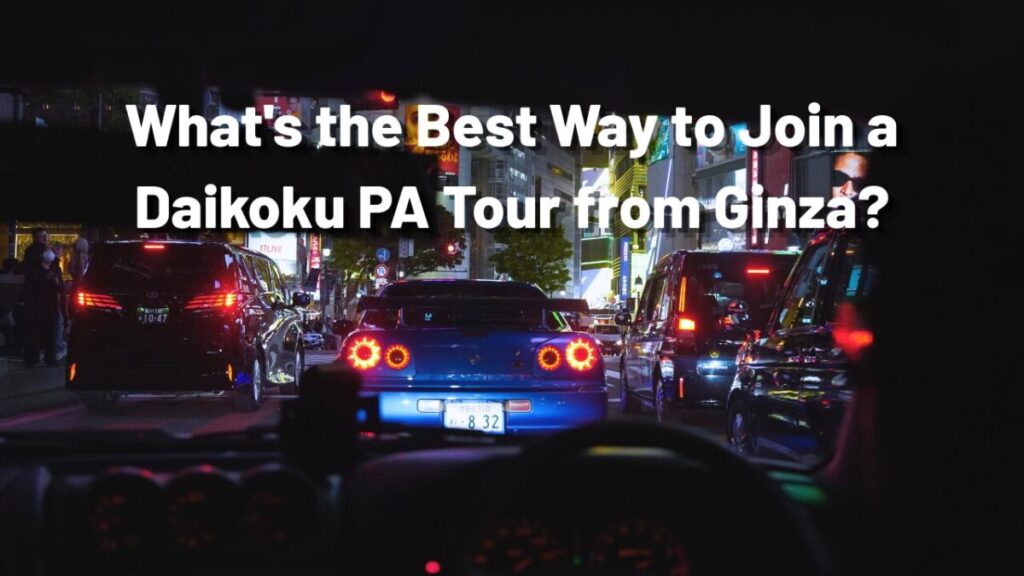
Passengers may see the Scramble Crossing area, illuminated signs, large screens, crowds, and the urban atmosphere associated with central Tokyo. Because Shibuya has heavy pedestrian and vehicle traffic, safety and normal traffic flow must come first.
Prepare your camera before reaching the area rather than asking the driver to stop or make a sudden maneuver for a photograph. A passenger can handle the filming while the driver keeps their attention on the road.
Tokyo Tower Offers Filming Opportunities When Safely Stopped
There may be an opportunity to photograph Tokyo Tower when the vehicle is safely stopped.
The exact stopping conditions can vary according to the route, traffic, and the situation on the day. A specific roadside photo opportunity should therefore not be treated as guaranteed.
Keep your camera ready so that you can make good use of an available stopping opportunity without rushing.
Film the Rainbow Bridge From Inside the Vehicle
The Rainbow Bridge and Tokyo waterfront can be enjoyed from the passenger seat.
An action camera or compact stabilized camera can capture the feeling of traveling through the illuminated bayside area. To reduce reflections on the glass, lower the brightness of your device screen and avoid placing bright objects close to the window.
Passengers should never:
Hold equipment outside the window.
Ask the driver to look at the camera.
Request sudden slowing or lane changes for filming.
Place cameras where they block the driver’s view.
Allow cables or bags to interfere with the driving area.
The driver’s responsibility is to operate the vehicle safely, not to perform for the camera.
Photograph Daikoku PA After Parking Safely
Wait until the vehicle has parked safely before beginning your main photography at Daikoku PA.
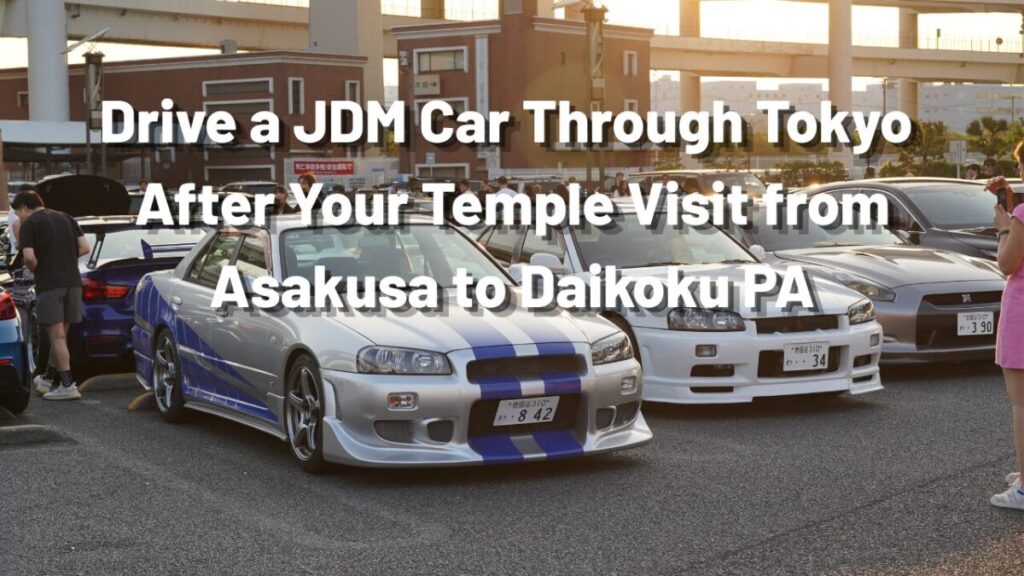
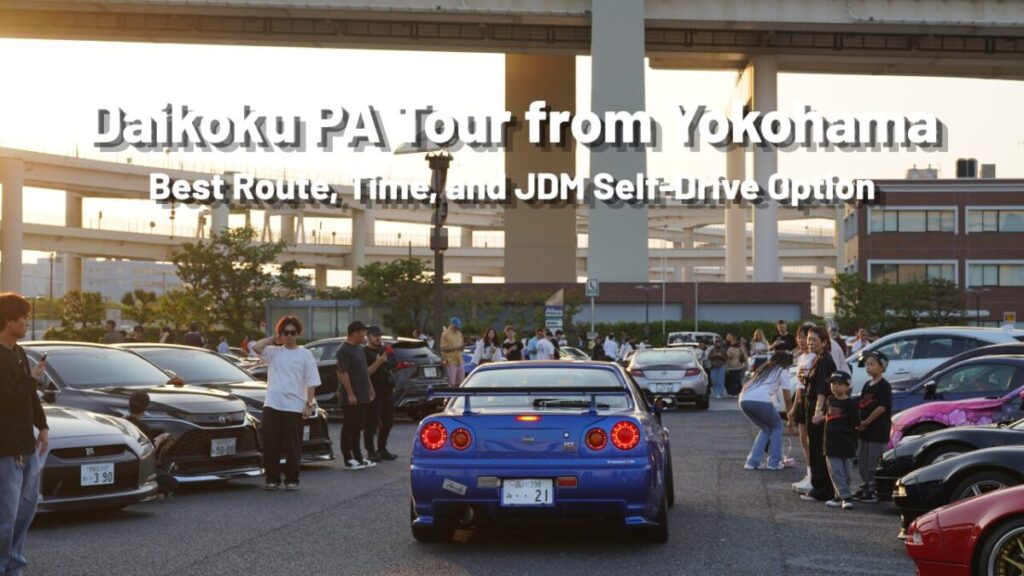
Daikoku PA is a public parking area, not an official car-show venue. The number and types of vehicles present can vary according to the date, time, weather, congestion, closures, and general local conditions. A particular car meet or specific model cannot be guaranteed.
Once parked, passengers should respect the facility and the people using it:
Do not block vehicle routes or walkways.
Do not touch another person’s car without permission.
Be considerate when photographing identifiable people.
Passengers may livestream from inside the vehicle, provided that the activity does not distract the driver or interfere with safe vehicle operation.
The person driving must not handle a smartphone, camera, livestream controls, or comments while the vehicle is moving. Japan’s National Police Agency specifically warns drivers against smartphone distraction and using or focusing on a phone while driving.
The passenger should manage:
Starting and stopping the livestream
Reading and responding to comments
Adjusting the camera
Monitoring the connection
Checking battery and storage levels
Do not repeatedly show the screen to the driver or ask the driver to respond to viewers. The driver must remain focused on traffic and the road.
Recording continuously can create an unexpected problem: after the tour, you may realize that you experienced most of it through a screen.
Consider dividing the route into moments for filming and moments for simply enjoying the experience. For example:
Record the lights and activity of Shibuya.
Put the camera down and watch the Rainbow Bridge with your own eyes.
Take still photographs after parking at Daikoku PA.
Use the return journey for conversation and enjoying the passing scenery.
This approach often produces a more satisfying balance. You still return with memorable footage, but you also remember the sound of the car, the view from the passenger seat, and the atmosphere of the Tokyo night drive.
Learn a Few JDM Cars Before Visiting Daikoku PA
Knowing a few well-known Japanese performance cars can make the Daikoku PA experience more interesting.
Models worth recognizing include:
Nissan Skyline GT-R
Toyota Supra
Mazda RX-7
Nissan Silvia
Honda Civic Type R
Subaru WRX
Mitsubishi Lancer Evolution
There is no need to memorize every generation, chassis code, or engine specification. Even basic familiarity can help you recognize a car from a game, film, magazine, or social media post.
However, no specific model is guaranteed to be present when you visit. The value of the tour comes from experiencing real Japanese car culture safely and respectfully—not from promising a particular gathering or vehicle.
[The Hottest Experience] Driving Dream Sports Cars in Japan with JDM TOUR
JDM TOUR
While standard rentals are practical, a new trend has exploded among car enthusiasts visiting Japan: renting “JDM” (Japanese Domestic Market) cars through specialized services like JDM TOUR.
The New Standard of Japan Travel: Public Roads in the Movie
The experience of being able to rent sports car japan is no longer just about driving; it has evolved into an "attraction" that transforms Japan's public roads into a real-life game world. In recent years, an exploding trend among international travelers is enjoying the act of driving through Japanese cities itself as a form of entertainment.
Specifically, commanding JDM machines such as the Nissan GT-R or Toyota Supra against the backdrop of Tokyo’s iconic landmarks is no longer just transportation; it is positioned as a participatory "activity." Just as cosplay driving tours have emerged, this integrated experience of car and city overturns conventional tourism, offering unforgettable, highly shareable memories that light up social media feeds.
This new style of journey, facilitated by exotic car rental tokyo services, has transformed from merely pursuing speed into a means of experiencing unforgettable "play." It allows you to deeply engage with Japan's unique culture and landscapes, creating an adventure that goes beyond traditional sightseeing.
Why is JDM So Popular Right Now?
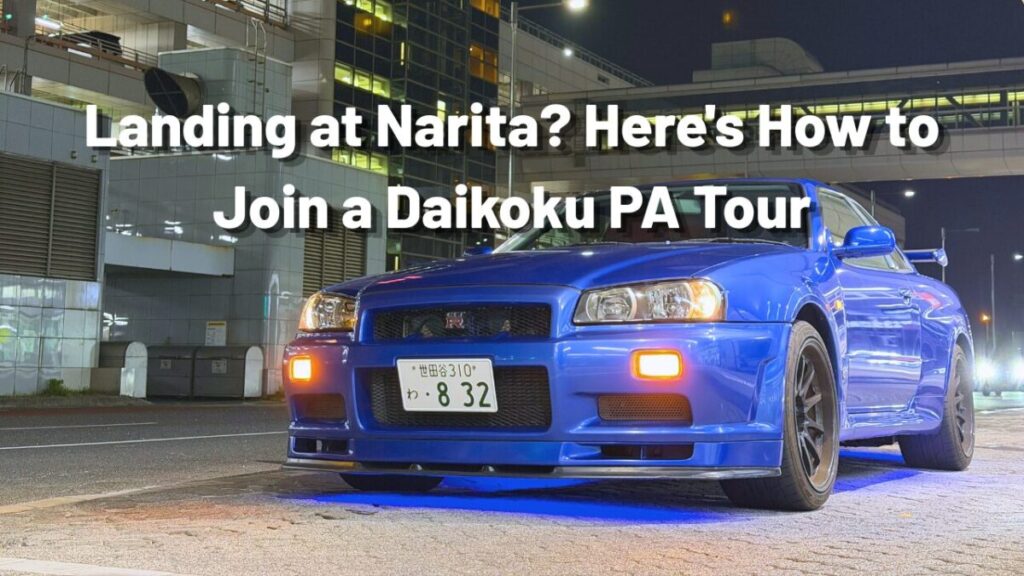
Legendary sports cars manufactured in Japan during the 1990s and early 2000s—such as the Nissan Skyline (R34), icons for fans worldwide. For many, driving these cars on the actual roads they were designed for is a bucket-list experience that surpasses any standard sightseeing tour.
The Unique Charm of a JDM TOUR
JDM TOUR offers more than just a “car rental”; it provides a deep dive into Japanese car culture.
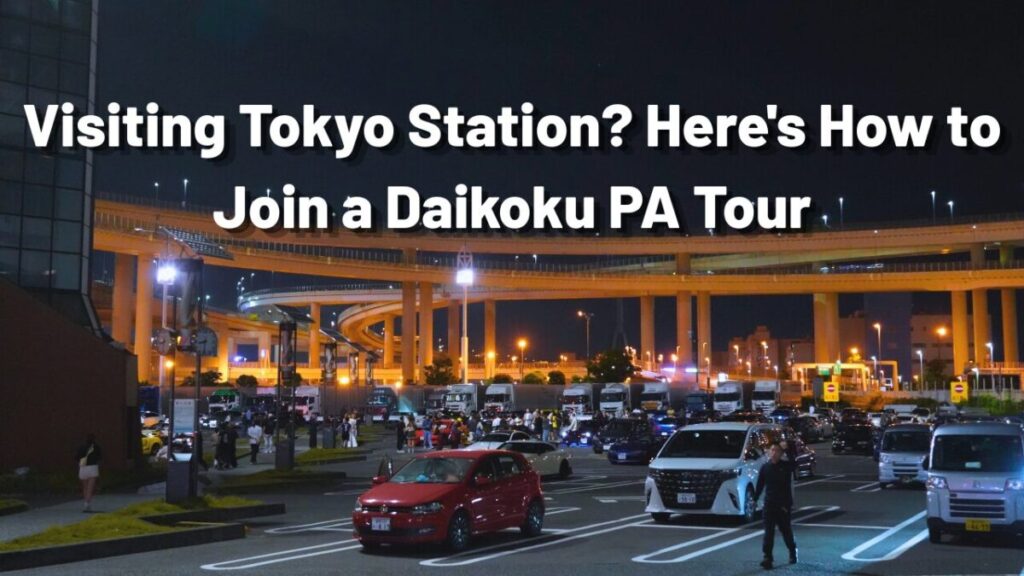
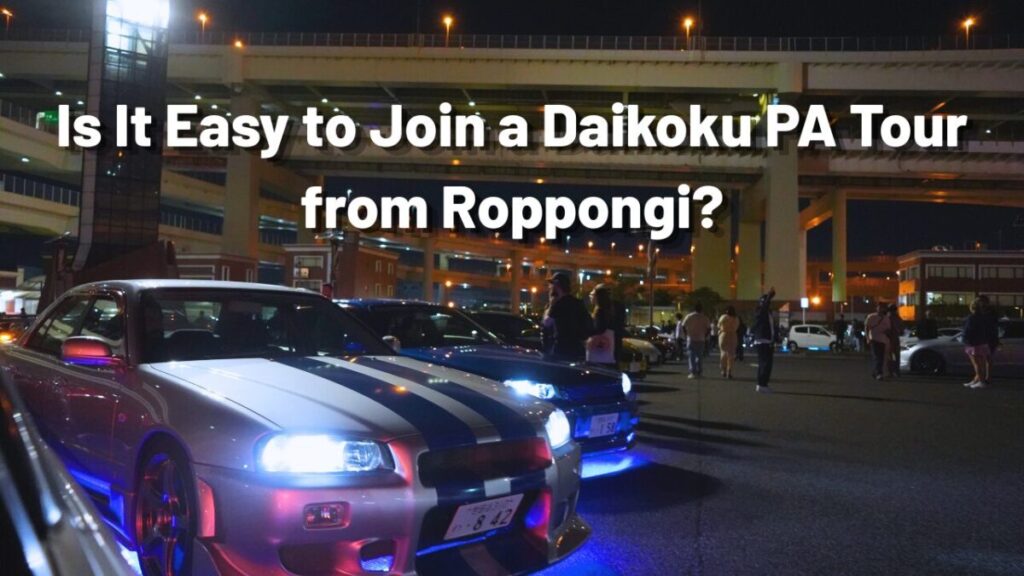
The Pilgrimage to Daikoku PA: The highlight of many tours is driving to the Daikoku Parking Area on the Shuto Expressway. At night, this spot transforms into a gathering place for hundreds of beautifully customized cars, creating a vibrant atmosphere that is world-famous.
Professional Guided Convoys: Driving a right-hand-drive manual car through the complex Shuto Expressway can be daunting. JDM TOUR offers plans where a professional guide leads the way in a lead car, ensuring you stay on the right path safely.
Photography and Content Creation: The guides know the best “insta-worthy” spots, such as the Shibuya Crossing, Tokyo Tower, and Rainbow Bridge, allowing you to capture professional-quality memories with your dream car.
Yes. Passengers can use the restroom at the JDM TOUR office before moving to the vehicle. Using it immediately before departure is recommended because traffic and route conditions may prevent an immediate stop later.
Can I attach a GoPro or DJI Osmo Pocket inside the car?
It may be possible when the camera can be secured without obstructing the driver or damaging the vehicle. Ask the staff before installing any mount or attachment.
Can JDM TOUR keep my large camera bag?
When necessary, a large camera bag or unused equipment can be left at the JDM TOUR office. Arrange this with the staff before moving to the vehicle, and keep essential valuables with you.
Can a passenger livestream during the drive?
A passenger may manage a livestream as long as it does not distract the driver or interfere with safe operation. The driver must not operate the phone, camera, or livestream controls while driving.
What should I do if I am prone to motion sickness?
Eat a moderate meal before the tour, avoid large quantities of greasy food, get enough sleep, and prepare your usual motion-sickness medication when needed. Avoid looking continuously at a screen and tell the staff before departure if you are concerned.
Will we definitely see many JDM cars at Daikoku PA?
No. Daikoku PA is a public parking area rather than an official event venue. Vehicle attendance, weather, congestion, and possible restrictions or closures can affect what visitors see.
Use the restroom before leaving the office, eat an appropriate meal in advance, get enough sleep, and check your camera batteries and storage. Bring only the equipment you expect to use, and ask the staff before mounting a camera inside the vehicle. A large camera bag can be kept at the office when necessary.
Passengers can film Shibuya from the window, photograph Tokyo Tower when there is a safe stopping opportunity, record the Rainbow Bridge from inside the vehicle, and take photographs at Daikoku PA after the car has parked.
Most importantly, make time to put the camera down. Combining a few planned filming moments with time to watch the scenery, listen to the car, and enjoy the company of your group can make the experience far more memorable.