What Does JDM Stand For? — Tracing the Roots of Japanese Car Culture and Touching Its Soul on the Ultimate Daikoku PA Tour
What Does JDM Stand For? — Tracing the Roots of Japanese Car Culture and Touching Its Soul on the Ultimate Daikoku PA Tour
contents
What Exactly is “JDM”? Its Meaning and Mysterious Charm
What Exactly is “JDM”? Its Meaning and Mysterious Charm
In the world of cars, there is a term known to those in the loop: “JDM.” You’ve likely seen this tag alongside flashy Japanese cars on social media or video sites and wondered, “what does jdm stand for?” Simply put, it stands for “Japanese Domestic Market.” Originally, this term referred specifically to cars built by Japanese manufacturers under unique local regulations, intended solely to be driven on Japanese roads.
However, this is where it gets interesting. These cars, which were supposed to spend their entire lives only in Japan, have now become objects of desire for fans worldwide as “cool and special” icons. Why did a simple category for “cars meant for Japan” turn into a brand that excites the whole world?
The secret lies in Japan’s unique attention to detail. Japanese roads are narrow and have many sharp turns. Cars here need to be nimble, easy to handle, and incredibly durable. This combination of “practicality for Japanese drivers” and “high-level engineering” appeared to people overseas as “magical, high-performance machines.”
For example, a Japanese car sold abroad and one sold only within Japan might have slightly different headlight shapes or more luxurious interiors. For overseas fans, finding these small “Japan-only” differences became like a treasure hunt. Today, JDM is no longer just a car classification; it has become a lifestyle centered on respecting Japanese culture and style. To truly experience this authentic culture firsthand, fans from all over the world now travel to Japan to join a daikoku pa tour, where the passion for these cars transcends the literal meaning of the words.
Iconic JDM Legends: What Makes Them So Special?
When people hear the term “JDM,” the first images that come to mind are the vibrant sports cars that defined 1990s Japan. During this era, Japanese manufacturers, driven by an insatiable obsession with technology, produced a string of masterpieces that stunned the world. Here, we delve into the core of what does jdm stand for while breaking down the legendary models and the structural reasons why they remain so beloved today.
Masterpieces of the JDM Era: The “Big Three” Global Icons
To discuss JDM culture, one must recognize certain cars that are considered essential. If you join a popular daikoku pa tour during your visit to Japan, you are likely to see these machines in pristine, active condition. They are not merely used cars; they are cultural heritages of the automotive world.
Nissan Skyline GT-R: The “Godzilla” That Feared No One
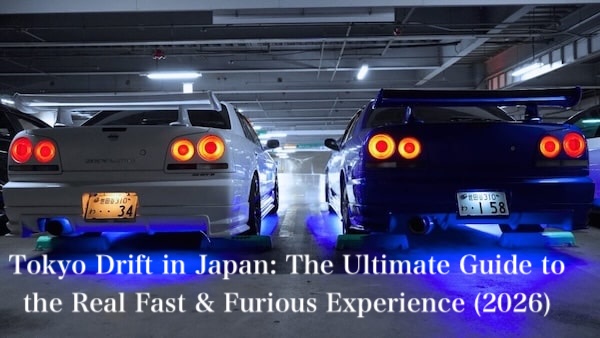
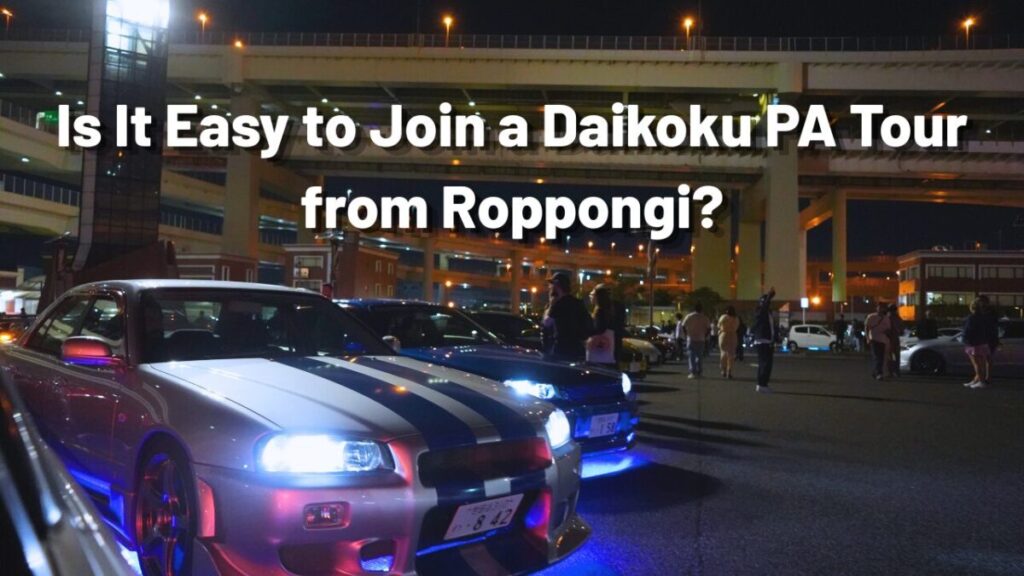
The undisputed king of JDM is the Skyline GT-R. Specifically, the R32, R33, and R34 models were born with a singular purpose: to dominate the racetrack. These cars provided a clear answer to the question —they represented the pinnacle of winning technology.
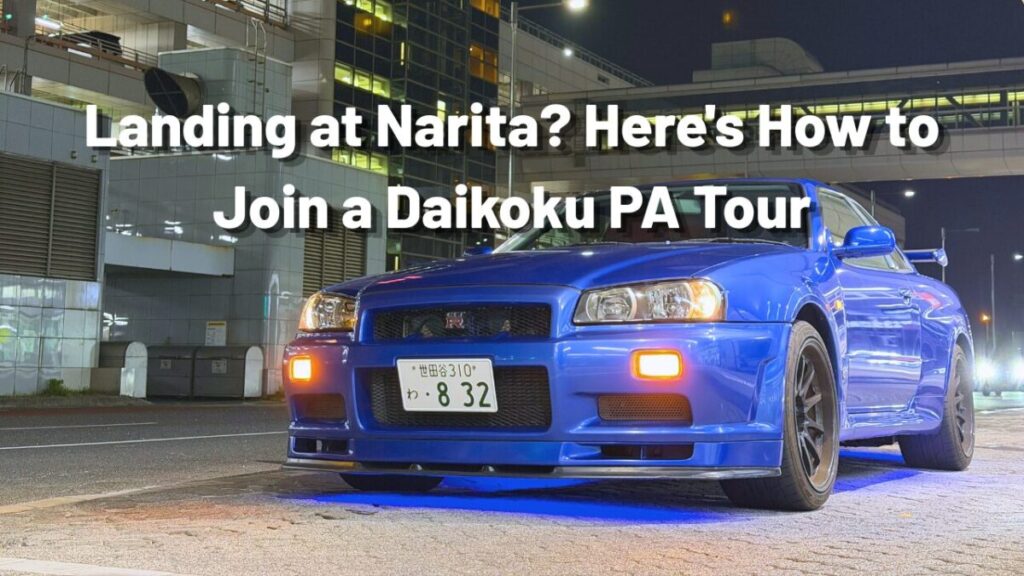
The Global Dominance of the R34: Fueled by the Fast & Furious franchise, its fame is universal. Today, with fans eagerly awaiting the 25-year rule exemption in the US, prices have skyrocketed, making it the star attraction of any daikoku pa tour.
ATTESA E-TS Technology: This advanced all-wheel-drive (AWD) system allowed massive power to be delivered to the road with incredible stability, captivating everyone from novices to professional racers.
Toyota Supra: The Straight-Line King with an Unbreakable Heart
With its long, low silhouette, the Supra symbolizes “power” and “presence” like no other JDM car.
The Legendary 2JZ-GTE Engine: This engine was designed with an almost over-engineered level of durability. When exploring what does jdm stand for, this “excessive quality” built for the local market becomes a key theme. The 2JZ engine is famous for handling extreme tuning and massive horsepower.
Timeless Design: Its design remains stunning even 30 years later. At a daikoku pa tour meeting point, its unique silhouette and signature rear wing allow it to be identified from a distance instantly.
Mazda RX-7: The One-and-Only Rotary Rocket
The RX-7 is a pure sports car equipped with the Rotary Engine, a feat of mass production only Mazda achieved.
Pure Driving Pleasure: Its nimble handling was refined on Japan’s winding mountain passes (Touge). To understand the roots of JDM, one must understand how Japan’s narrow, technical environment forced this type of lightweight evolution.
Aesthetic Perfection: Its organic body lines are a fusion of traditional Japanese aesthetics and aerodynamic technology. If you are lucky enough to see an RX-7 with its pop-up headlights raised during a daikoku pa tour, consider it a highlight of your trip.
Why Is JDM Considered the Best? Three Core Reasons for Its Popularity
Why do decades-old Japanese cars often receive higher praise than modern high-tech luxury vehicles? The answer lies within the hidden strengths behind the phrase what does jdm stand for.
1. Incredible “Reliability” and “Durability”
In an era when foreign sports cars were expected to be “fast but fragile,” Japanese cars rewrote the rules.
The Daily-Driver Sports Car: High performance combined with the durability to handle daily errands. This accumulation of trust is a major reason why the daikoku pa tour is so popular with international tourists; they know they can still see these legendary machines running perfectly in their natural habitat.
2. Hidden Potential: The Joy of Tuning
During this era, Japan had a unique “280-horsepower gentlemen’s agreement” (a voluntary limit), which ironically ignited the passion of fans.
Waking the Sleeping Lion: While cars left the factory with restricted power, they were engineered to handle much more. When asked what does jdm stand for, some fans might answer: “A masterpiece sold in an unfinished state, offering infinite possibilities for customization.”
3. High Quality Born from Japan’s Strict “Shaken” System
The primary reason JDM vehicles are prized globally as used cars is actually found in Japanese law.
World-Class Condition Maintenance: Japan has a rigorous vehicle inspection system called Shaken. The reason cars on a daikoku pa tour look as if they just rolled off the showroom floor is not just owner love, but this strict regulatory background.
Certified Quality: Every two years, cars undergo thorough maintenance. This culture of care is the foundation of the trust that makes JDM cars “special” across the ocean.
From Models to Styles: JDM as a Canvas for Self-Expression
To truly grasp the essence of this culture, one must understand that “JDM” is more than a list of car names—it is a diverse world of customization. When enthusiasts ask, “what does jdm stand for?” the answer often transcends the literal “Japanese Domestic Market” and becomes a statement of creative freedom. In Japan, the same car can be transformed into completely different machines depending on the owner’s personal philosophy.
Three Iconic Archetypes of JDM Performance and Aesthetics
If you take a daikoku pa tour, you will likely be amazed by the sheer variety of cars parked side-by-side, each serving a different purpose. These builds are generally categorized into several distinct styling subcultures.
Drift: A Global Phenomenon Born on Japanese Mountain Passes
Drifting is perhaps the most famous automotive export from Japan.
The Art of Controlled Chaos: The style involves intentionally breaking traction to slide through corners with precision. This has evolved from late-night street racing into a professional global motorsport.
Functional Aggression: On a daikoku pa tour, you can spot these cars by their battle scars, oversized intercoolers, and high-exit exhaust systems. Their beauty lies in their raw, “built-to-be-driven” intensity.
Stance: The Pursuit of the Perfect Silhouette
This style prioritizes the car’s “posture” and visual impact over raw speed or racing performance.
Low and Slow: The hallmark of Stance is a ride height so low that the chassis sits just millimeters above the asphalt.
Fitment and Camber: Owners focus on “flush fitment” (lining the wheel up perfectly with the fender) and negative camber (tilting the wheels inward). These cars often become the center of attention during a daikoku pa tour, as tourists stop to marvel at how such extreme machines can even move.
Time Attack: The Functional Beauty of Every Millisecond
Born on circuits like Tsukuba, this style is about stripping away everything unnecessary to achieve the fastest possible lap time.
Extreme Aerodynamics: You’ll recognize these by their massive GT wings, front splitters, and diffusers designed to produce maximum downforce.
Form Follows Function: This style represents the peak of automotive engineering. It reminds us that part of the answer to what does jdm stand for is a relentless obsession with technical perfection.
Why Do Japanese Owners Pour Their Souls into Customization?
The birth of such diverse styles is deeply rooted in Japan’s unique social landscape.
Cars as a Canvas: Finding “Freedom” within a Disciplined Society
Japan is a society that highly values rules and harmony. For many, a car is the one place where they can express their individual identity without compromise.
Proving One’s Uniqueness: Transforming a factory-standard vehicle into a one-of-a-kind machine is a rebellion against the ordinary. In this context, the question of what does jdm stand for is answered by the owner’s personal brand and creativity.
The Power of Community: Bonds Forged at the Parking Area
Custom cars serve as a universal language that breaks down barriers between strangers.
Encounters at the Holy Land: When you bring a pride-and-joy build to a rest area, conversations about specific aftermarket parts start naturally. The scene you witness on a daikoku pa tour isn’t just a car show; it’s a living community built on mutual respect. Experiencing this warm, shared passion is truly the heart of the journey.
Why Is JDM So Expensive? The “25-Year Rule” and Global Frenzy
Japanese cars, once considered “affordable high-performance used cars,” are now trading globally for staggering prices—sometimes reaching tens of millions of yen. When looking for the answer to what does jdm stand for today, many collectors might simply say “the ultimate investment asset.” This dramatic shift is driven by a powerful legal loophole and a deep-seated global trust in Japanese engineering.
The “25-Year Rule”: Turning JDM into “Rolling Gold”
To understand why JDM prices have spiked, you must understand the U.S. “25-Year Rule.” This regulation has transformed Japanese sports cars into “treasures” that wealthy enthusiasts around the world are desperate to acquire.
The Moment Right-Hand Drive Becomes Legal in the U.S.
In the United States, importing and driving right-hand drive (RHD) vehicles is usually strictly limited due to safety and emissions regulations (NHTSA and EPA). However, once a vehicle reaches 25 years from its month of manufacture, it becomes exempt from these restrictions as a classic car.
Fans Waiting for the Green Light: Icons like the 1999 Nissan Skyline GT-R (R34) only began clearing this rule in 2024. This long wait creates a massive wave of “bottled-up demand” that explodes the moment a car becomes eligible for import.
Non-Stop Price Hikes: With the massive U.S. market now competing for a limited supply, the value of JDM cars has skyrocketed. On a daikoku pa tour, you aren’t just looking at old cars; you are standing among “rolling jewels” with market values comparable to modern Ferraris or Lamborghinis.
Why the World Is Obsessed with “Used” Japanese Cars
Why are global buyers fixated specifically on old Japanese metal rather than European or American classics? It comes down to the history of trust Japan has built.
Unrivaled Condition and “Owner Love”
Japanese car owners are famous for treating their vehicles with extraordinary care.
Indoor Storage and Meticulous Maintenance: Many cars for export have surprisingly low mileage and interiors that look like they’ve never been touched. This “Japan quality” is a massive part of what does jdm stand for in the eyes of an overseas buyer.
The Shaken System as a Quality Guarantee: Japan’s strict Shaken (vehicle inspection) laws force owners to keep their engines and safety systems in top shape. Even if a car is 30 years old, it is often more reliable than a much newer car from another country.
JDM as an Investment: From Hobby to Business
Buying a JDM car today isn’t just for enthusiasts anymore; it has become a serious financial strategy.
Assets That Don’t Depreciate: Since manufacturers can no longer produce 90s icons, the supply is fixed while demand grows. These cars are now viewed as “tangible assets” similar to gold or fine art. During a daikoku pa tour, you might meet owners who see themselves as “cultural guardians,” protecting the historical value of these machines.
The Value of Seeing the “Real Deal” in Japan Now
The fact that these legends are being shipped overseas in record numbers is a bit bittersweet for local fans. However, this is exactly why experiencing them in Japan right now is so vital.
Are the Legends Disappearing from Japan?
Thousands of JDM vehicles are exported every month. High-quality examples are becoming increasingly rare on Japanese soil.
Becoming a Witness to History: Joining a daikoku pa tour today to see a genuine Skyline or Supra on the move is more than just sightseeing—it is a rare opportunity to hear the heartbeat of the “Golden Era” before these pieces of history disappear into private collections abroad.
The Holy Land “Daikoku PA”: Where JDM Culture Breathes the Heaviest
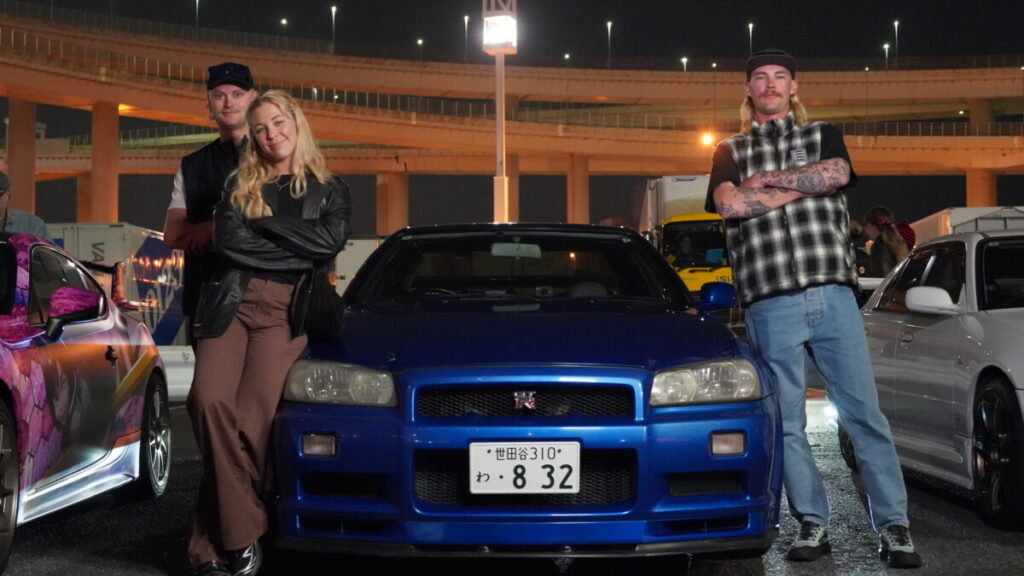
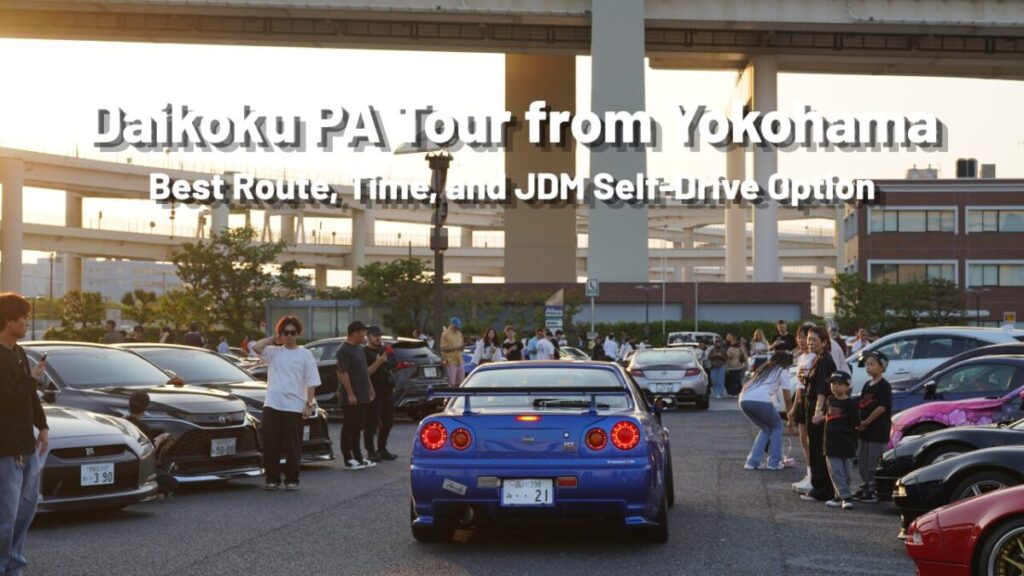
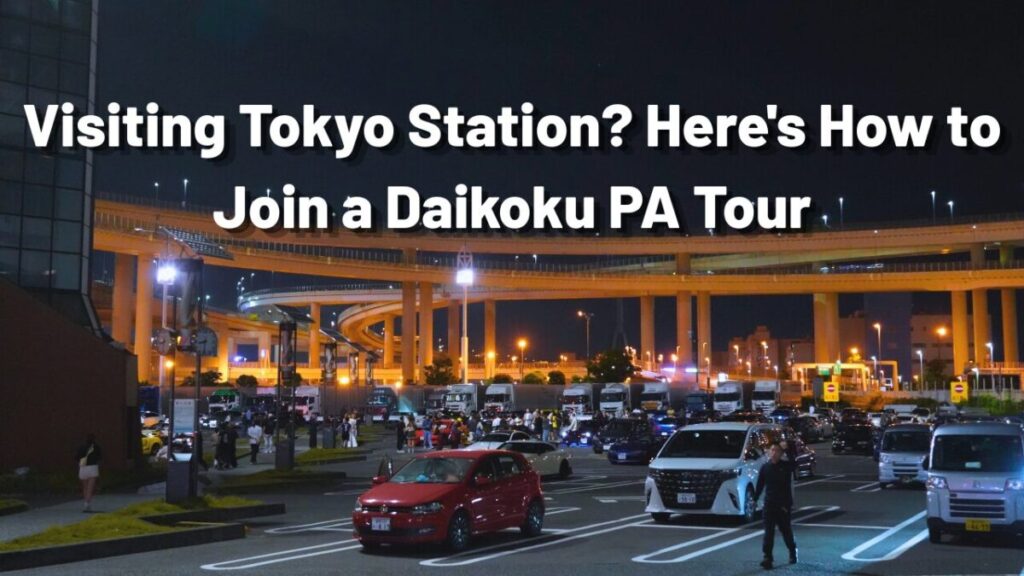
After learning about the history and legendary machines of JDM, every enthusiast shares one wish: “I want to see the real thing with my own eyes.” The place that grants this wish is the Daikoku Parking Area (Daikoku PA) on the Shuto Expressway in Yokohama. Far more than a mere rest stop, it has become the world’s most famous “automotive social hub,” where car maniacs from across the globe gather night after night.
Why is Daikoku PA Called the “Holy Land”?
While car meets exist all over the world, there are specific reasons why Daikoku PA is viewed as sacred. By joining a daikoku pa tour, you can experience these reasons through all five senses.
A Perfect Stage Born by Coincidence
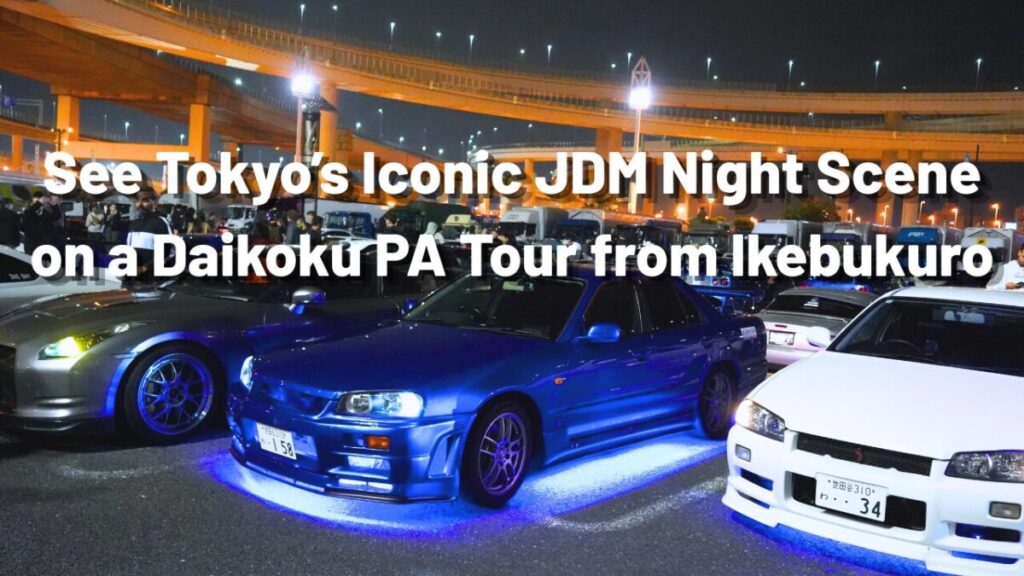
Daikoku PA features a unique circular structure surrounded by massive loop bridges. From above, it looks like a futuristic colosseum—a one-of-a-kind location where exhaust notes and LED lights are dramatically amplified and staged by the architecture itself.
Authentic Street Atmosphere: Unlike a sanctioned car show, this gathering began spontaneously by people who simply loved to drive. This raw, unfiltered energy is the most vivid answer to the question, “what does jdm stand for?”
A 365-Day Open-Air Car Show
The sheer scale of Daikoku PA means that even on an ordinary weekday, legendary machines often appear out of nowhere.
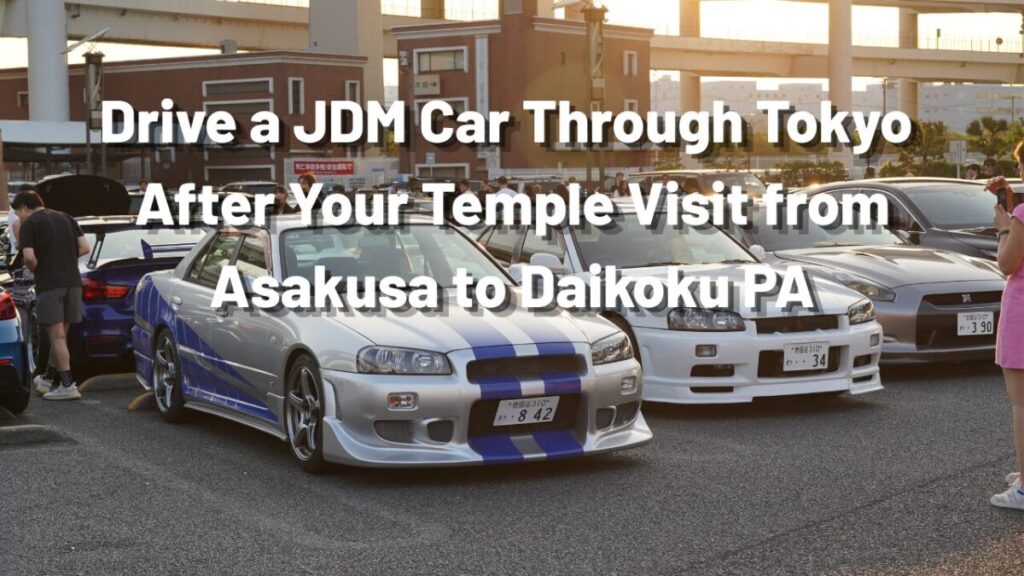
A Intersection of Diverse Genres: You might see a 1,000-horsepower Supra parked next to a neon-lit Dekotora (decorated truck) or an exotic European supercar. This diversity and mutual respect make it more stimulating than any official motor show in the world.
Absolute Rules and Etiquette to Protect the Holy Land
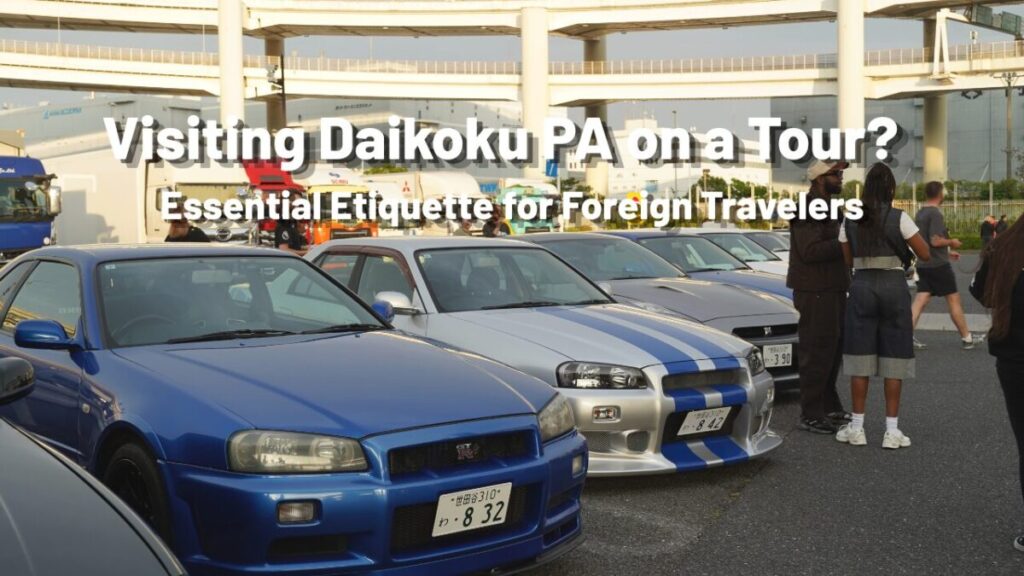
Daikoku PA is a public facility utilized by many, including long-haul truck drivers. As tourists flock from around the world, the need for respect has never been higher to prevent the site from being permanently closed. Here is a breakdown of the essential rules often shared during a daikoku pa tour.
Respect for Owners and Their Vehicles
The cars lined up here are not just exhibits; they are private property and the “soul” of the owner.
Touching is Strictly Prohibited: No matter how excited you are, never touch the bodywork or open a car door without the owner’s explicit permission.
Privacy in Photography: When taking photos, it is polite to avoid filming the owners’ faces or to blur out license plates before posting to social media.
Maintaining Public Order within the Facility
Daikoku PA is a vital rest area for commercial drivers and the general public.
Do Not Monopolize Space: Gathering in large groups that block walkways or forcing a photo shoot that ignores designated parking spots causes trouble for other users.
Trash Management: Littering is the quickest way to lose the respect of the local community. Keeping the Holy Land clean is a point of pride for any true JDM fan.
Understanding Noise Issues and “Police Closures”
The biggest challenge facing Daikoku PA today is noise. Due to complaints from nearby residents, strict regulations are in place.
No Revving or Loud Audio: Meaningless engine revving or blasting music from high-output speakers will trigger immediate police intervention.
The Risk of Nighttime Closures: If noise or congestion exceeds certain levels, the police will “close” the entire PA. If you encounter a closure during a daikoku pa tour, it must be accepted as a harsh reality of protecting the culture’s survival in a modern world.
Navigating the Holy Land Wisely: Why Choosing a Daikoku PA Tour is Essential
For any JDM enthusiast, visiting Daikoku PA is likely a top item on their bucket list. However, once you arrive in Japan and attempt to go there on your own, you will quickly discover surprisingly high barriers. Here, we delve into the specific advantages that lead so many fans to choose a professional daikoku pa tour over a solo mission.
The Three “Walls” Preventing Solo Access
As the name implies, Daikoku PA is a “Parking Area” located on an expressway. This creates a set of challenges that differ significantly from typical tourist destinations.
1. Zero Access via Public Transportation
Because Daikoku PA is situated in the middle of the Shuto Expressway, it is legally prohibited to enter on foot.
No Stations or Bus Stops: There are no nearby train stations. Even if you try to take a taxi, you will face expensive toll fees, and more importantly, you will face the fatal issue of being unable to secure a ride back out of the facility.
2. The Labyrinth of the Shuto Expressway
The Shuto Expressway is often cited as one of the most difficult urban highway systems to navigate in the world.
The Risk of Getting Lost: With exits on both the left and right, complex merges, and split-second decision-making required, it is incredibly stressful. Risking a rental car to find the answer to what does jdm stand for in this maze is a high-stakes gamble for any traveler.
3. Unpredictable Closure Timings
As mentioned previously, Daikoku PA is subject to sudden police closures without warning.
The Fear of a Wasted Trip: You might go through the trouble of renting a car and navigating the traffic only to find the entrance blocked. Without real-time info, your pilgrimage could end before it even begins.
The “Premium Experience” Provided by a Daikoku PA Tour
Using a tour service is not just about making transportation easier; it is like holding a “VIP Pass” to the heart of JDM culture.
Comprehensive Support from Professional Guides
Tour guides are professionals who monitor the status of Daikoku PA every single night.
Mastering the Timing: They guide you based on “live” information, such as when a closure is likely to happen or what time specific legendary cars are most likely to appear.
The Magic of Being Transported in a JDM Vehicle
Perhaps the biggest draw of a daikoku pa tour is that the transport vehicle itself is often an iconic JDM model.
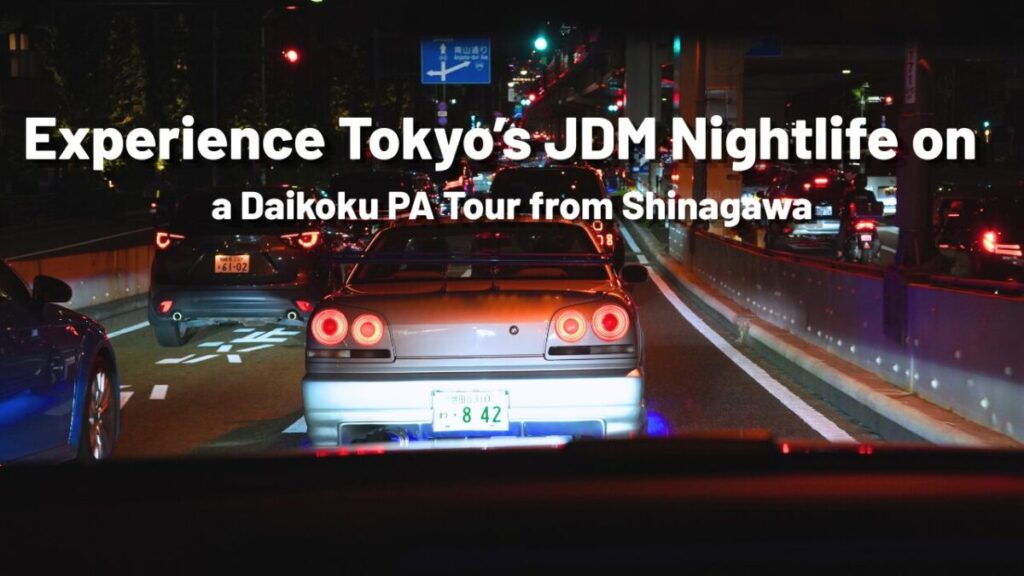
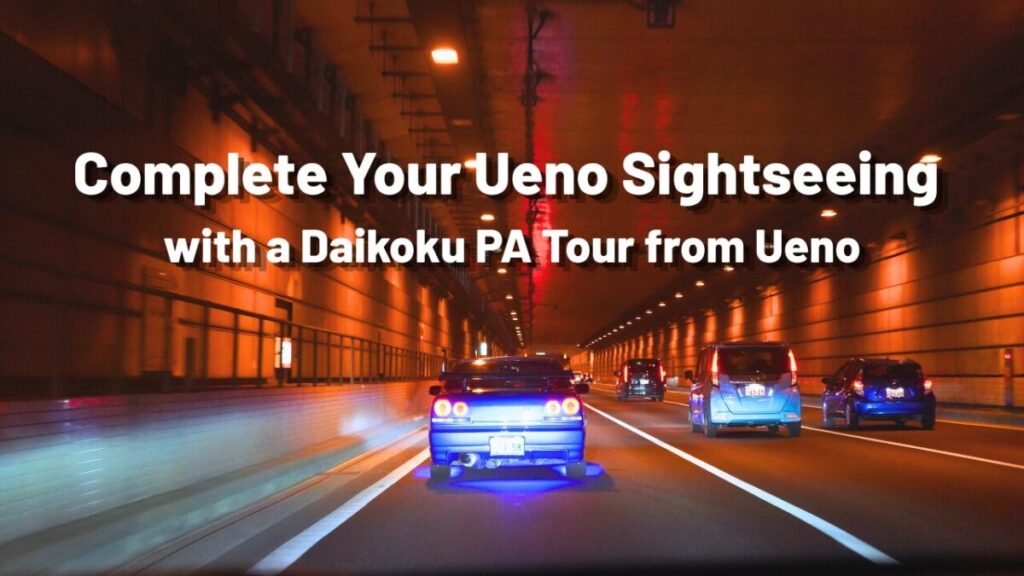
Immersion During the Commute: Imagine sitting in the passenger seat of a Skyline GT-R or a tuned sedan while the Tokyo nightscape streaks past the window. The transit itself becomes the ultimate way to feel what does jdm stand for.
Deepening Knowledge and Connecting to the Community
With a guide, you get instant explanations of why the car in front of you is special.
Bridge to the Owners: Guides can act as interpreters, opening doors to conversations with owners that would otherwise be impossible due to the language barrier. You move from being a mere “onlooker” to a “knowledgeable participant” in the scene.
[The Hottest Experience] Driving Dream Sports Cars in Japan with JDM TOUR
JDM TOUR
While standard rentals are practical, a new trend has exploded among car enthusiasts visiting Japan: renting “JDM” (Japanese Domestic Market) cars through specialized services like JDM TOUR.
The New Standard of Japan Travel: Public Roads in the Movie
The experience of being able to rent sports car japan is no longer just about driving; it has evolved into an "attraction" that transforms Japan's public roads into a real-life game world. In recent years, an exploding trend among international travelers is enjoying the act of driving through Japanese cities itself as a form of entertainment.
Specifically, commanding JDM machines such as the Nissan GT-R or Toyota Supra against the backdrop of Tokyo’s iconic landmarks is no longer just transportation; it is positioned as a participatory "activity." Just as cosplay driving tours have emerged, this integrated experience of car and city overturns conventional tourism, offering unforgettable, highly shareable memories that light up social media feeds.
This new style of journey, facilitated by exotic car rental tokyo services, has transformed from merely pursuing speed into a means of experiencing unforgettable "play." It allows you to deeply engage with Japan's unique culture and landscapes, creating an adventure that goes beyond traditional sightseeing.
Why is JDM So Popular Right Now?
Legendary sports cars manufactured in Japan during the 1990s and early 2000s—such as the Nissan Skyline (R34), icons for fans worldwide. For many, driving these cars on the actual roads they were designed for is a bucket-list experience that surpasses any standard sightseeing tour.
The Unique Charm of a JDM TOUR
JDM TOUR offers more than just a “car rental”; it provides a deep dive into Japanese car culture.
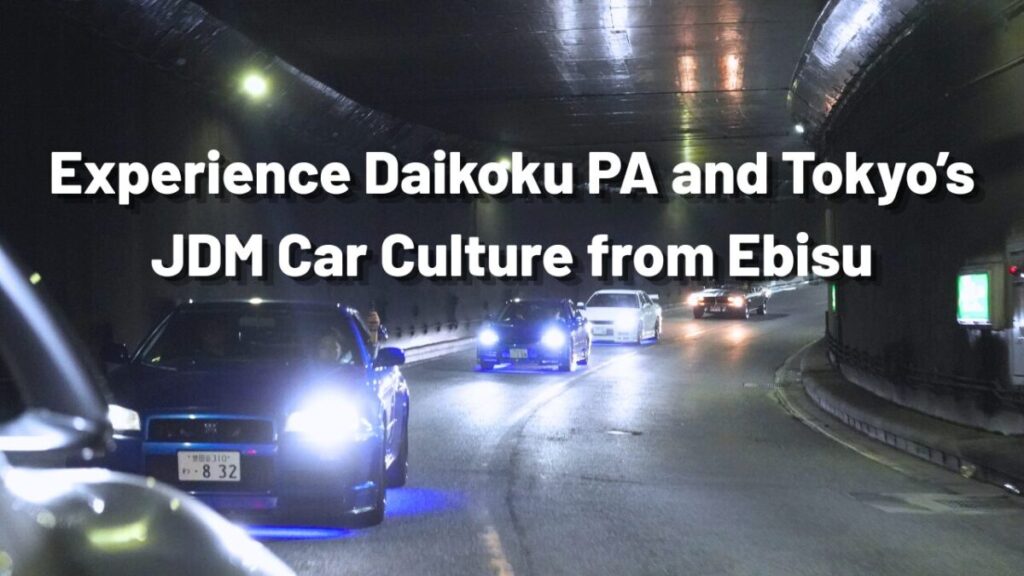
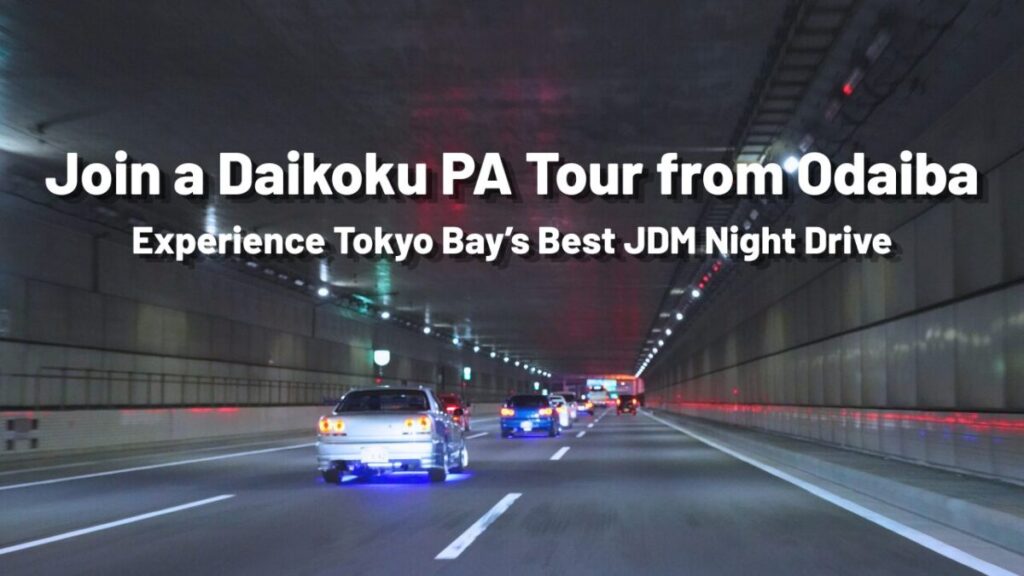
The Pilgrimage to Daikoku PA: The highlight of many tours is driving to the Daikoku Parking Area on the Shuto Expressway. At night, this spot transforms into a gathering place for hundreds of beautifully customized cars, creating a vibrant atmosphere that is world-famous.
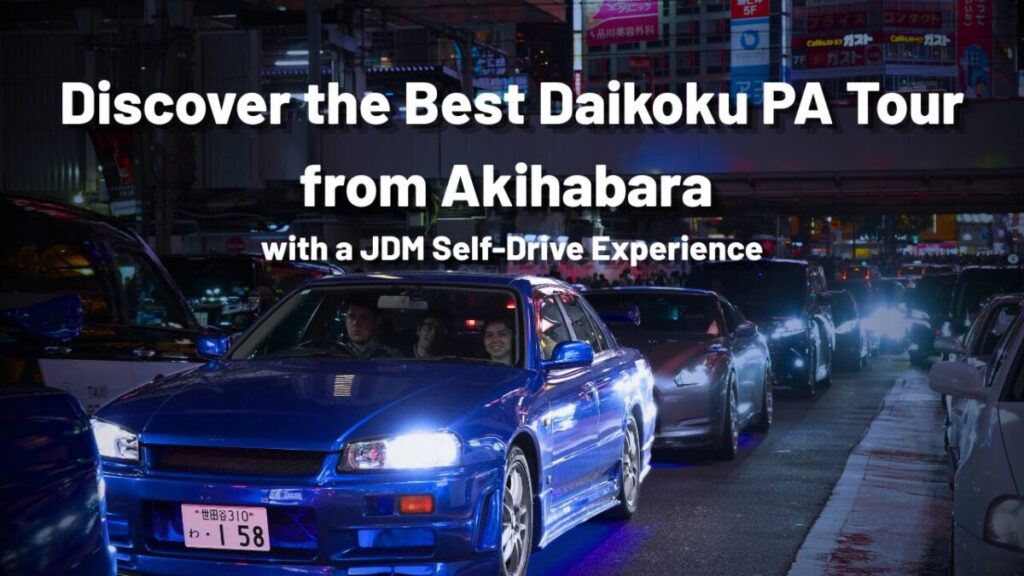
Professional Guided Convoys: Driving a right-hand-drive manual car through the complex Shuto Expressway can be daunting. JDM TOUR offers plans where a professional guide leads the way in a lead car, ensuring you stay on the right path safely.
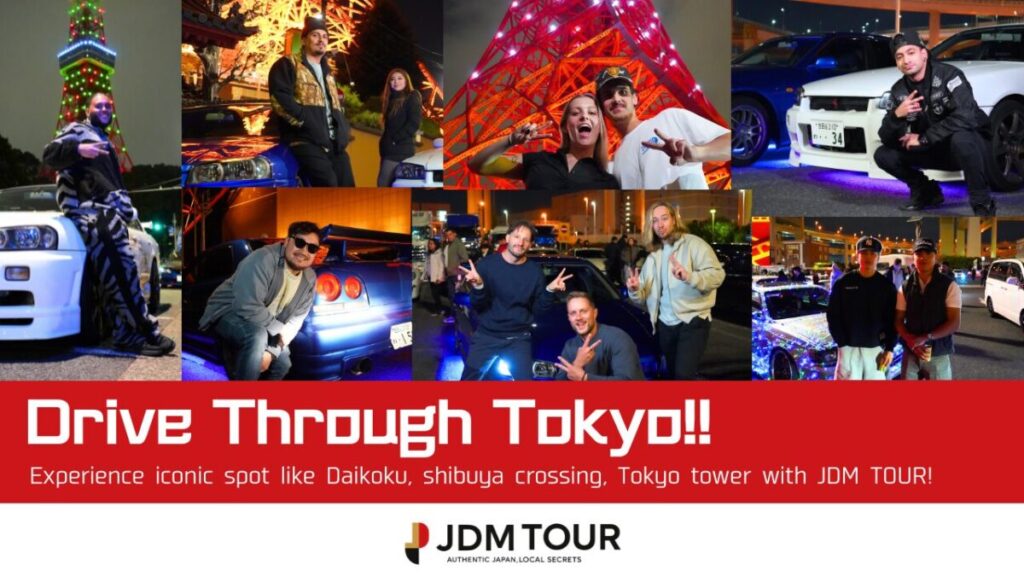
Photography and Content Creation: The guides know the best “insta-worthy” spots, such as the Shibuya Crossing, Tokyo Tower, and Rainbow Bridge, allowing you to capture professional-quality memories with your dream car.
What does jdm stand for? By now, you realize the answer goes far beyond a literal translation of “Japanese Domestic Market.” It represents the raw passion of 90s engineers, the technical precision born from strict limitations, and the enduring love of owners who still gather at Daikoku PA to this day. JDM is not a relic of the past; it is a living, breathing culture that continues to evolve with every turn of a wrench.
Choosing a Trusted Partner for the Ultimate Memory
If you want to touch the heart of Japanese car culture, joining a daikoku pa tour is undoubtedly the most reliable and exhilarating way to do it. However, there is a crucial warning every traveler must heed.
Beware of Illegal Operators (White Taxi Scam): Recently, there has been a rise in individuals on social media offering private tours using personal vehicles. In Japan, providing paid transportation without a business license (identifiable by green license plates) is illegal—a practice known as “Shirotaku” or White Taxi operations.
The Risks of Going “Unofficial”: Illegal operators often lack commercial insurance, meaning you are not covered in the event of an accident. Furthermore, these tours are frequent targets of police crackdowns, which could result in your trip being cut short or your involvement in a legal investigation. Supporting legal, green-plate operators is the only way to ensure your safety and respect the culture you’ve come to see.
Feel the Heartbeat of the Legend
Some things simply cannot be captured through a smartphone screen. You need to stand in the middle of Daikoku PA to feel the unique vibration of the air, hear the roar of a high-revving turbo engine, and witness the heat of a community that speaks the universal language of cars.
If you are ready to trace the roots of Japanese car culture, take that first step. As you cruise past the Tokyo skyline and descend into the neon glow of the parking area, you won’t just be a spectator—you will become part of the great JDM story.