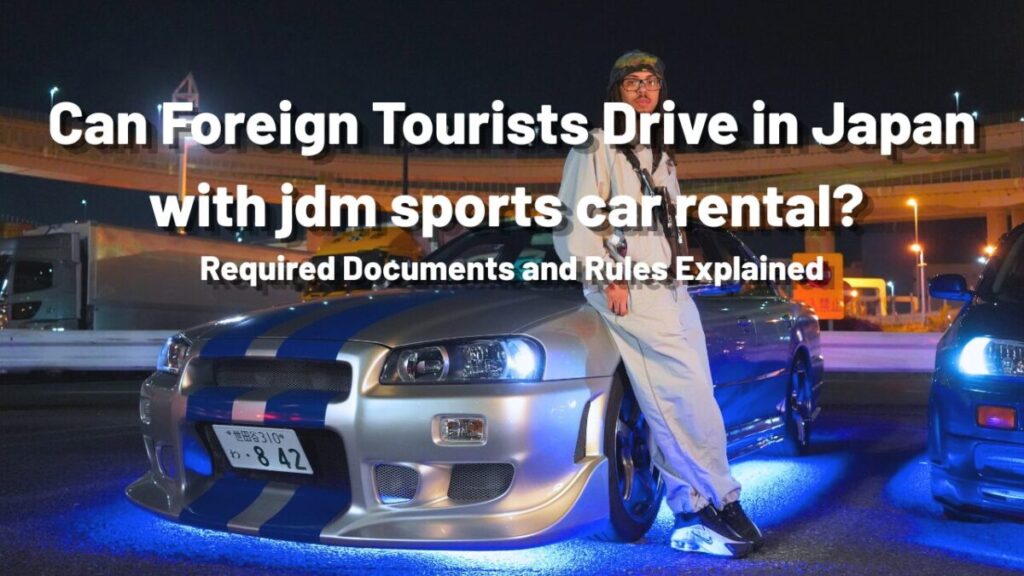
Can Foreign Tourists Drive in Japan with jdm sports car rental? Required Documents and Rules Explained
Can Foreign Tourists Drive in Japan with jdm sports car rental? Required Documents and Rules Explained
contents
Introduction
Self driving experience with JDM TOUR in Daikoku Parking Area
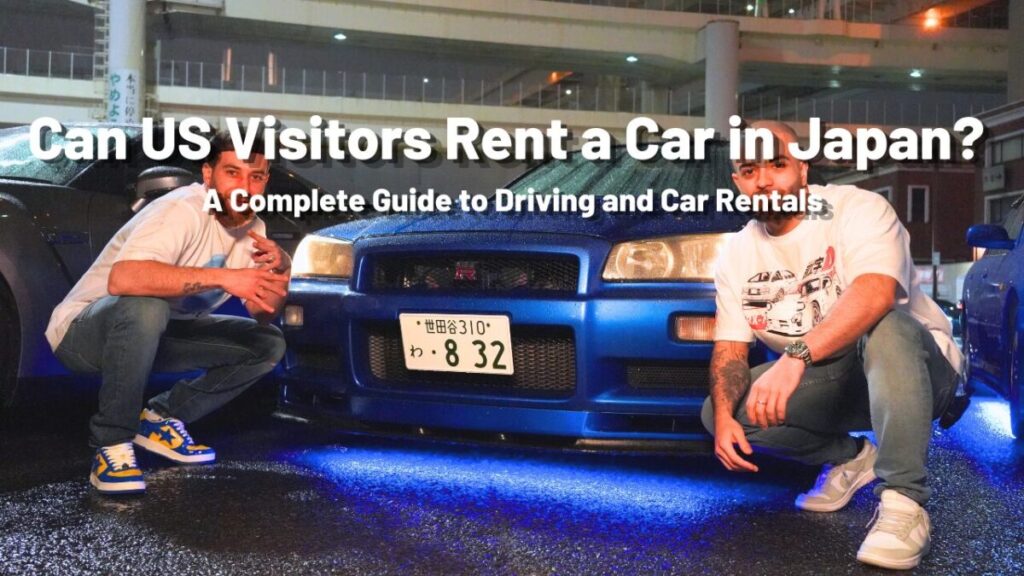
Want to drive a JDM sports car in Japan? For many foreign travelers, the first question is not which car to choose, but whether they can legally drive in Japan at all. There are real businesses in Japan where you can rent or experience cars such as the GT-R, Supra, 86, Civic Type R, and Roadster, but there is an important difference between being legally allowed to drive in Japan and actually being approved by a rental company. Even if you meet the legal requirements, you may still be unable to depart on the day if you are missing required documents, cannot prove your date of entry into Japan, or do not have a credit card in your own name.
The conclusion is simple: yes, foreign tourists can drive in Japan. However, the key is not “being a foreigner,” but preparing the correct license documents based on your country or region. Many travelers need an International Driving Permit issued under the 1949 Geneva Convention. On the other hand, travelers from Switzerland, Germany, France, Belgium, Monaco, and Taiwan do not use that system in the same way. Instead, they can drive in Japan with their domestic driver’s license plus an official Japanese translation. In addition, it is essential to understand the time limits tied to your date of entry into Japan, as well as the so-called “three-month rule” that can affect people with resident status.
In this article, for readers searching jdm sports car rental japan, we will explain who can drive, which documents are required, what to bring on the rental day, which Japan-specific traffic rules matter, the common mistakes foreign tourists make when renting a sports car, and how to choose the right service. Rather than listing rules in isolation, this guide also reflects how rental companies actually check documents and screen drivers, so you can understand what to confirm before you make a reservation.
Can foreign tourists drive a JDM sports car in Japan?
The Short Answer: Yes, But You Need the Right Documents
The most important answer is this: yes, they can, but only if they have the correct legal driving documents. The Japan National Tourism Organization also explains that visitors who want to drive during their stay generally need to obtain the proper driving documents before arriving in Japan. However, the exact method depends on the traveler’s country or region.
The Two Legal Ways to Drive in Japan
Broadly speaking, there are two ways for foreign tourists to drive in Japan.
Using an International Driving Permit (IDP)
The first is to use an International Driving Permit issued under the 1949 Geneva Convention.
Using a Domestic License with an Official Japanese Translation
The second is to use a domestic license from an eligible country together with an official Japanese translation. According to the Tokyo Metropolitan Police Department and JAF, drivers with licenses from Switzerland, Germany, France, Belgium, Monaco, and Taiwan may legally drive in Japan through the translation route.
Common Mistakes Foreign Drivers Make
This is where many people make mistakes. Having a foreign driver’s license does not automatically mean you can drive in Japan.
Mainland Chinese Driver’s Licenses
For example, a mainland Chinese driver’s license by itself is not valid for driving in Japan.
Vienna Convention IDPs
Likewise, an International Driving Permit issued under the Vienna Convention is not valid in Japan. Japan only recognizes International Driving Permits based on the 1949 Geneva Convention.
Other Non-Recognized International Permits
Major rental companies in Japan make this point very clearly, and some explicitly state that permits based on the Paris Convention, Washington Convention, or Vienna Convention cannot be used in Japan.
Meeting the Legal Requirement Is Only the First Step
Another important point is that meeting the legal driving requirement does not automatically mean a rental company will hand over the keys.
Standard Rental Car Companies
Standard rental car companies often follow relatively predictable procedures.
Specialty JDM Sports Car Rental Companies
Specialty JDM sports car rental businesses may impose stricter identity checks, require a credit card in the renter’s own name, ask for documents in advance, or apply different eligibility rules depending on the vehicle.
Additional Requirements You May Encounter
Some companies require a personal credit card to finalize a reservation, while others require submission of passport details, driving documents, and payment information before pickup.
What You Need for a Successful JDM Sports Car Rental in Japan
In other words, the key to succeeding with jdm sports car rental japan is to satisfy both of the following:
Japanese Legal Requirements
The legal rules under Japanese traffic law.
Individual Rental Company Policies
The individual rules of the rental company you want to use.
If you only satisfy one of those, your rental may still fail.
What documents are required for rental? The basic patterns by country
The exact documents depend slightly on where your license was issued. Still, the practical set of required items is fairly consistent. In most cases, you should think in terms of four categories: documents proving you can legally drive, documents proving your identity, documents showing your date of entry into Japan, and a valid payment method.
The basic document set most travelers need
For many foreign tourists, the basic set is: an International Driving Permit under the 1949 Geneva Convention, a passport, and, depending on the rental company, your original domestic driver’s license as well. Major rental companies in Japan explain that you must either have a valid International Driving Permit or, if you are from one of the eligible countries, your home-country license together with an official Japanese translation. In either case, presenting your passport at the counter is generally mandatory.
That passport requirement is more important than many travelers realize. Your ability to drive in Japan is not judged only by the issue date of your International Driving Permit. It is also linked to the date you entered Japan. Several rental companies explain that although an International Driving Permit may be valid for one year from the date of issue, the right to use it in Japan is also limited by the date of entry into the country.
The six eligible countries and regions that use the translation system
Travelers with licenses from Switzerland, Germany, France, Belgium, Monaco, and Taiwan can drive in Japan using their domestic driver’s license plus an official Japanese translation, instead of an International Driving Permit. The translation must be issued by an approved authority such as JAF, or in some cases by certain embassies, consulates, or designated organizations.
JAF also accepts applications for Japanese translations online. That makes the process more accessible, but it does not mean you should leave it until the last minute. If your trip is coming up soon, it is much safer to confirm the correct application route before you leave for Japan.
Payment and identity verification requirements
In sports car rentals, the legal right to drive is only one part of the process. Many companies also require a credit card in the driver’s own name. Some sports car rental services accept only one-time credit card payment and require customers to enter passport details, driving documents, and card information during the reservation process.
So in practical terms, foreign tourists should prepare the following:
Driving eligibility documents: an International Driving Permit, or a qualifying domestic license plus official Japanese translation Identity document: passport Contract and payment method: a credit card in your own name
If you do not have all three, renting a JDM sports car in Japan becomes much harder.
What Documents Do You Need to Rent JDM Cars in Japan?
One of the biggest points of confusion for foreign tourists is that some people drive in Japan using an IDP, while others use a translated license. If you misunderstand this, your preparation can go wrong from the start.
Who needs an International Driving Permit?
For travelers from many countries, the correct route is to obtain an International Driving Permit under the 1949 Geneva Convention from the authorized issuing body in their home country before traveling to Japan. Official travel guidance for Japan makes it clear that this should be done before arrival. Rental companies do not normally treat other substitute documents as acceptable alternatives.
The most important warning here is that Japan recognizes only the 1949 Geneva Convention format. A document that looks like an “international license” is not necessarily valid in Japan. This is especially important for travelers from regions where a different treaty format is more common. In Japan, the Vienna Convention format is not accepted.
Who can use the translation route?
Drivers with licenses from Switzerland, Germany, France, Belgium, Monaco, and Taiwan may drive in Japan using their original domestic license together with an official Japanese translation. Both JAF and the Tokyo Metropolitan Police Department explain this system clearly and specify which bodies can issue the translation. For travelers from these countries or regions, it is often more useful to confirm whether they qualify for the translation route than to focus on obtaining an International Driving Permit.
What both systems have in common
Whichever system applies to you, a common rule is that you should assume original physical documents are required. Rental companies typically ask to see passports at the counter, and specialty sports car operators often rely on original document checks as part of their process. Assuming that copies, photos, or screenshots will be enough is risky.
It is also important to understand that the process is not fully digital from end to end. JAF may allow online translation applications, but the actual act of driving and the rental handover still rely heavily on physical identification and document verification. Even if you plan to rent later in your trip, it is smarter to prepare with paper-based originals from the beginning.
[The Hottest Experience] Driving Dream Sports Cars in Japan with JDM TOUR
JDM TOUR
While standard rentals are practical, a new trend has exploded among car enthusiasts visiting Japan: renting “JDM” (Japanese Domestic Market) cars through specialized services like JDM TOUR.
The New Standard of Japan Travel: Public Roads in the Movie
The experience of being able to rent sports car japan is no longer just about driving; it has evolved into an "attraction" that transforms Japan's public roads into a real-life game world. In recent years, an exploding trend among international travelers is enjoying the act of driving through Japanese cities itself as a form of entertainment.
Specifically, commanding JDM machines such as the Nissan GT-R or Toyota Supra against the backdrop of Tokyo’s iconic landmarks is no longer just transportation; it is positioned as a participatory "activity." Just as cosplay driving tours have emerged, this integrated experience of car and city overturns conventional tourism, offering unforgettable, highly shareable memories that light up social media feeds.
This new style of journey, facilitated by exotic car rental tokyo services, has transformed from merely pursuing speed into a means of experiencing unforgettable "play." It allows you to deeply engage with Japan's unique culture and landscapes, creating an adventure that goes beyond traditional sightseeing.
Why is JDM So Popular Right Now?
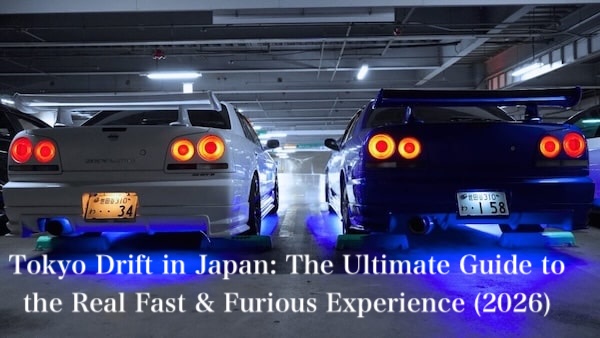
Legendary sports cars manufactured in Japan during the 1990s and early 2000s—such as the Nissan Skyline (R34), icons for fans worldwide. For many, driving these cars on the actual roads they were designed for is a bucket-list experience that surpasses any standard sightseeing tour.
The Unique Charm of a JDM TOUR
JDM TOUR offers more than just a “car rental”; it provides a deep dive into Japanese car culture.
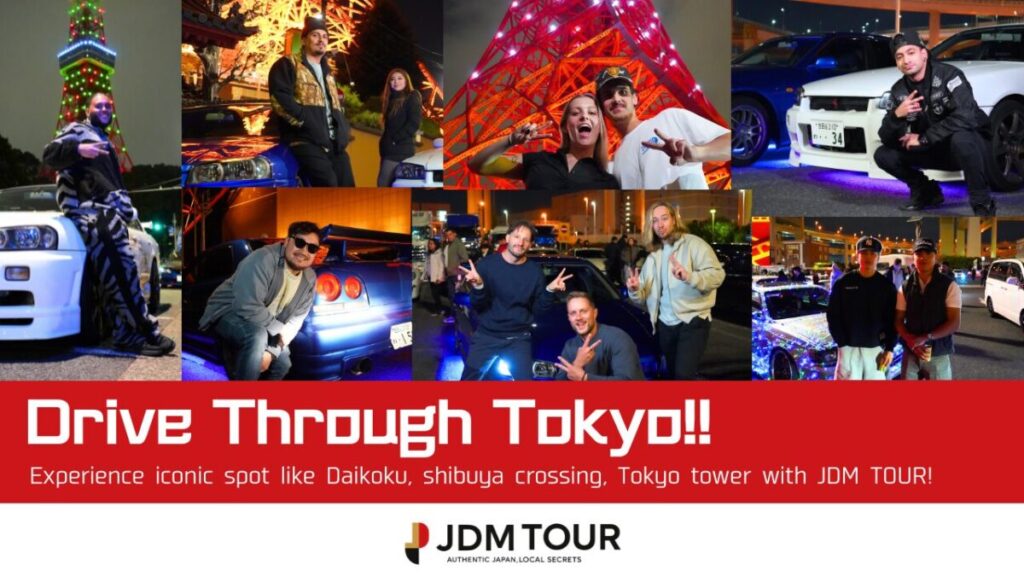
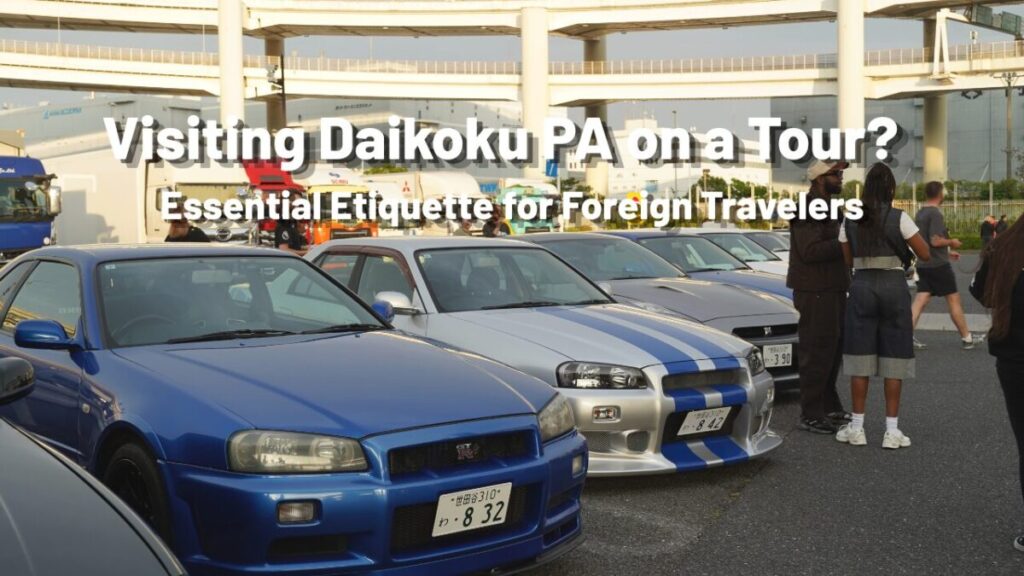
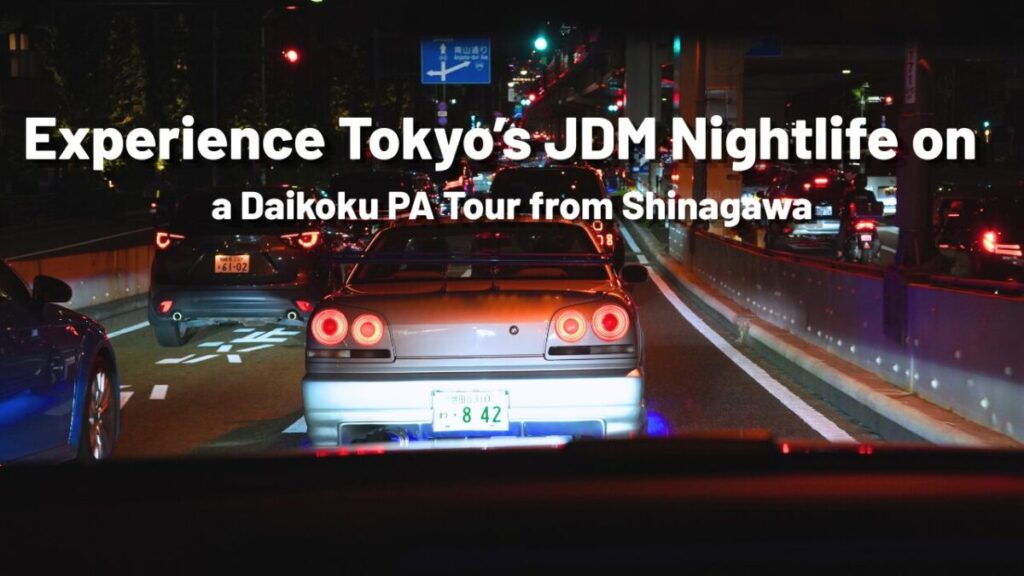
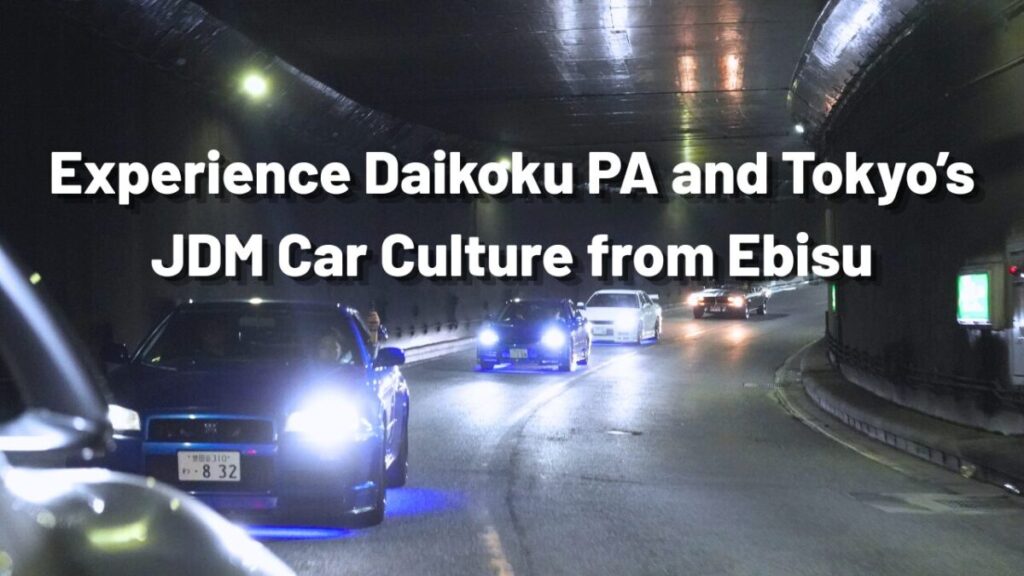
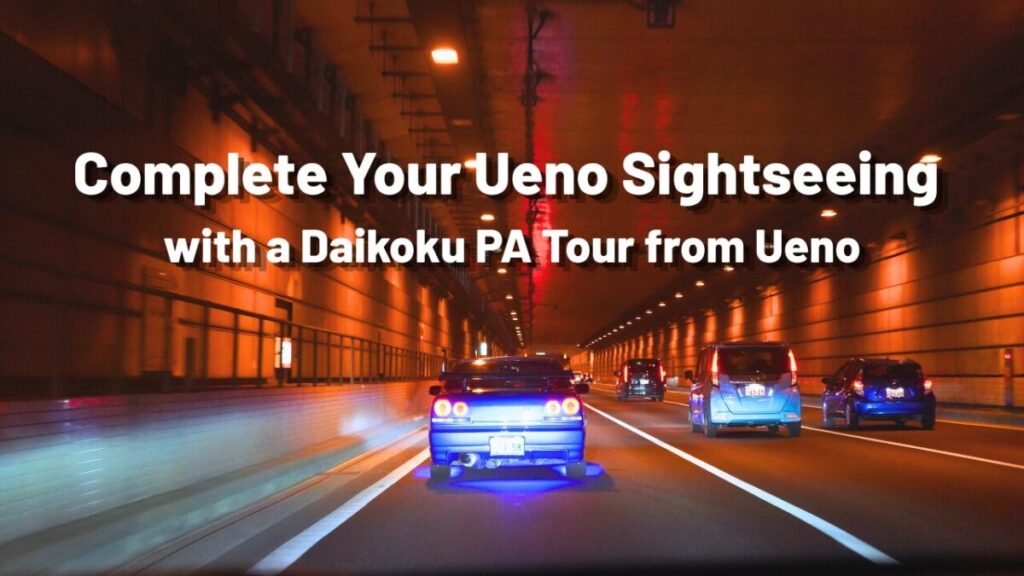
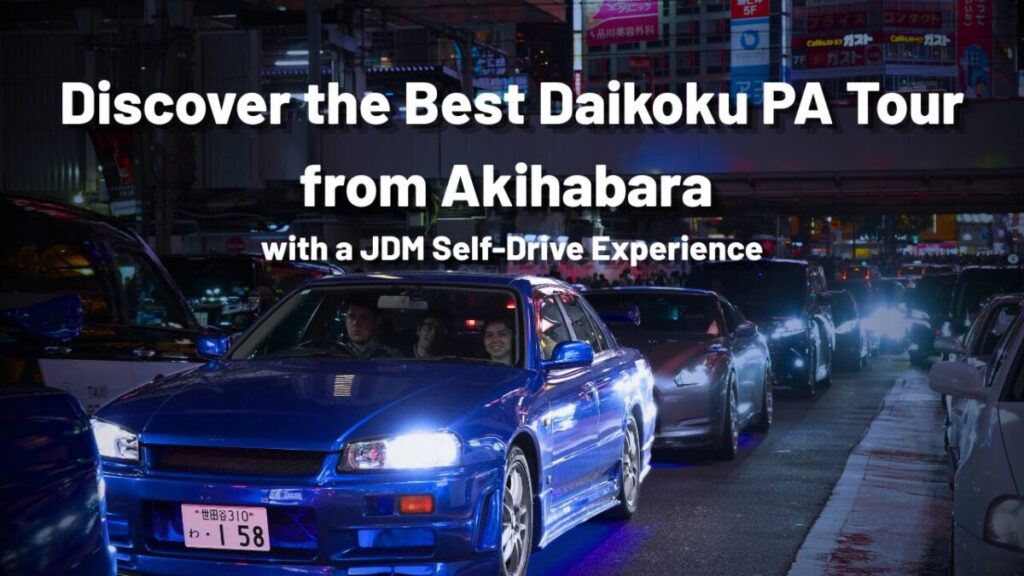
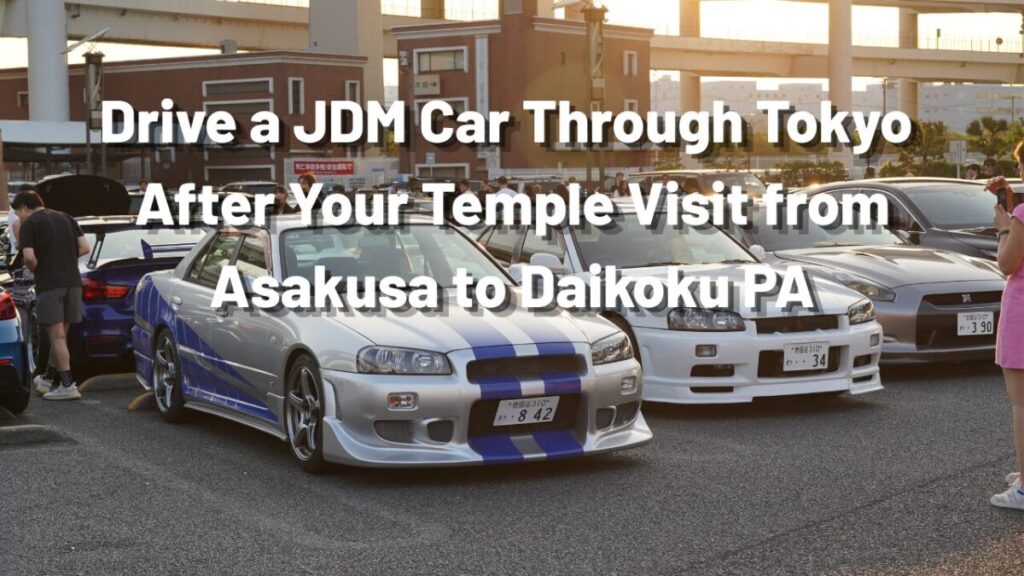
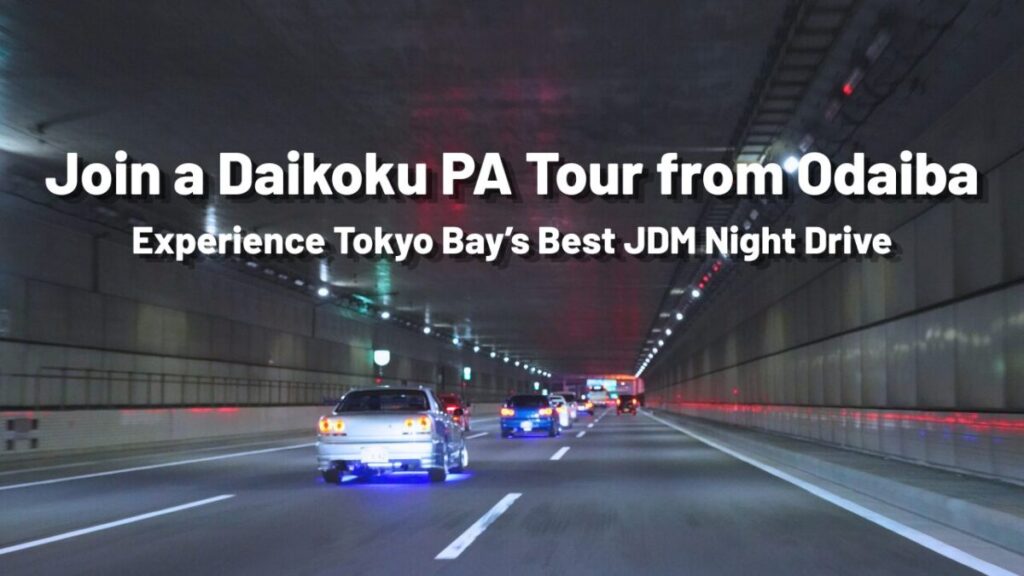
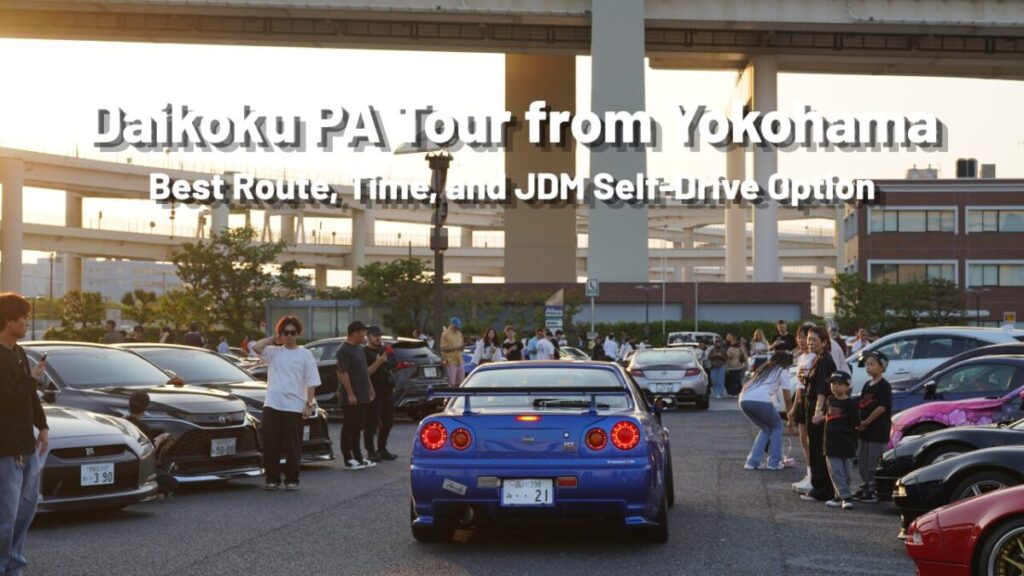
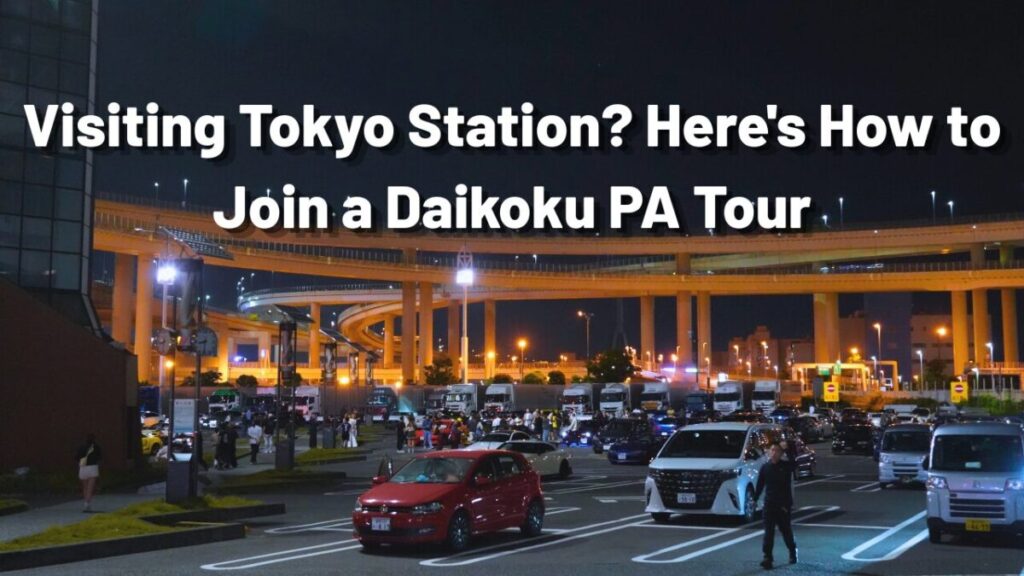
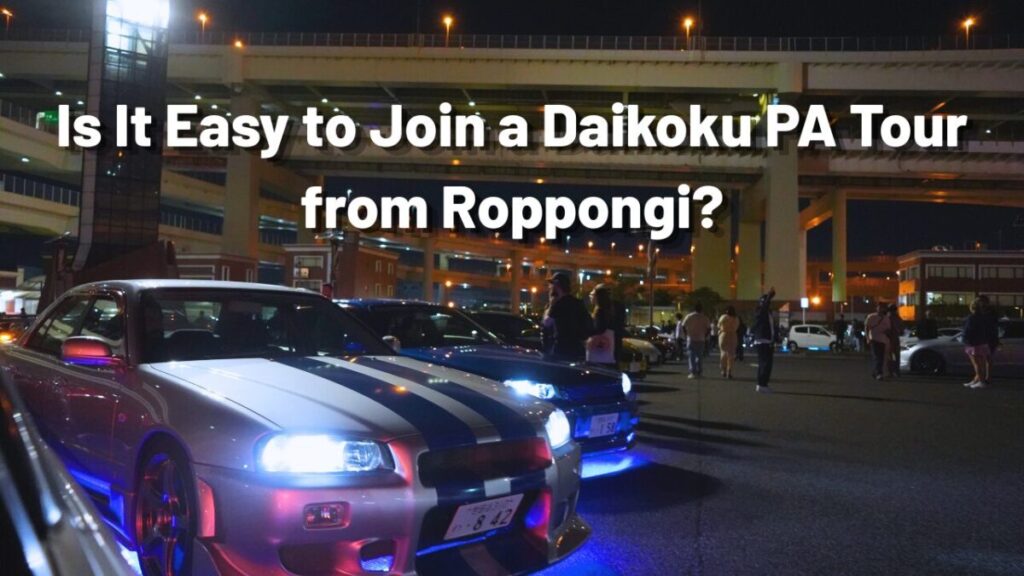
The Pilgrimage to Daikoku PA: The highlight of many tours is driving to the Daikoku Parking Area on the Shuto Expressway. At night, this spot transforms into a gathering place for hundreds of beautifully customized cars, creating a vibrant atmosphere that is world-famous.
Professional Guided Convoys: Driving a right-hand-drive manual car through the complex Shuto Expressway can be daunting. JDM TOUR offers plans where a professional guide leads the way in a lead car, ensuring you stay on the right path safely.
Photography and Content Creation: The guides know the best “insta-worthy” spots, such as the Shibuya Crossing, Tokyo Tower, and Rainbow Bridge, allowing you to capture professional-quality memories with your dream car.
The one-year-from-entry rule and the three-month rule are essential for rental
One of the easiest things to overlook in this topic is how long you are actually allowed to drive in Japan. Many travelers look only at the issue date of their International Driving Permit and assume that is enough. It is not.
The idea of one year from your date of entry
Guidance from police authorities and rental companies explains that driving in Japan with an International Driving Permit is limited not only by one year from the permit’s date of issue, but also by one year from the date you entered Japan. For people using the translation route, similar logic applies: the ability to drive is tied to the period following entry into Japan.
That means even if your IDP still looks valid in your home country, it may no longer be usable in Japan depending on the timing. Conversely, even if your document appears fresh, your status in Japan and the timing of your arrival can still matter. The correct way to judge driving eligibility is to look at both the document’s validity and your date of arrival in Japan.
The three-month rule for people with resident status
For medium- or long-term foreign residents in Japan, or for people recorded in Japan’s resident registry, the so-called three-month rule becomes important. Police guidance explains that if a person recorded in the resident registry leaves Japan and re-enters within less than three months, that re-entry date does not reset the clock for calculating the valid driving period in Japan. Similar logic can apply under the translation-license framework as well.
This is easy to dismiss if you think the article only concerns short-term tourists, but it also matters to international students, working holiday participants, expats, and others who may already have a life base in Japan. Pure short-stay visitors are less likely to run into this issue, but anyone with residency ties should avoid making assumptions.
Why passport entry stamps matter
Some major rental companies specifically warn travelers using automated immigration gates that they should request a physical stamp or landing permission sticker if necessary. The reason is simple: the rental company may need a visible record of your date of entry into Japan in order to confirm your legal driving period.
In other words, even if your documents are otherwise correct, you may still be denied the rental if the company cannot verify your entry into Japan at the counter. Because JDM sports cars are more expensive and higher risk than ordinary compact rentals, specialty providers often take these checks seriously. It is not enough to meet the legal conditions in theory. You should be able to prove them clearly and immediately at pickup.
What to bring on the sports car rental day and the points where people get rejected
A very common mistake in jdm sports car rental japan is showing up and assuming everything will probably work out. For high-value sports cars, you should expect stricter screening than with a standard economy car.
Rental day checklist
At a minimum, you should bring your original passport, your original driving eligibility documents, an official Japanese translation if required, and a credit card in your own name. Some companies may also require the same card used during booking to be presented at pickup. This is especially relevant at sports car rental businesses that use credit-card-only payment or stricter identity verification.
If more than one person will drive the vehicle, all drivers may need to present their license documents, not just the person who made the reservation. Some rental companies explicitly require license checks for every intended driver. If a companion may take the wheel, you should prepare for that in advance.
Common reasons rentals get denied
One common reason is the wrong document format. Examples include a Vienna Convention IDP, a translation issued by the wrong authority, only having copies, or not being able to prove the date of entry into Japan. Another common issue is name mismatch. If the reservation name, passport name, credit card name, and license name do not align, identity verification may become difficult.
Some major companies have also strengthened screening against fraudulent International Driving Permits. If the issuing country does not match the passport country, or if the customer cannot properly prove the validity of the permit, the rental may be refused.
Specialty sports car companies may also impose advance document submission deadlines. Some require passports and driving documents to be submitted before the pickup date, especially for international customers. This is one reason why assuming you can book a sports car the day before and drive it immediately is often unrealistic.
Insurance and NOC are easy to overlook
Another point that foreign visitors often misunderstand is the difference between insurance, liability waiver systems, and NOC (Non Operation Charge). In Japan, rental car coverage often includes more than one layer. A collision damage waiver may reduce your direct liability in the event of an accident, but that does not automatically eliminate NOC, which stands for Non-Operation Charge and compensates the rental company for business interruption if the vehicle cannot be used.
This matters even more for JDM sports cars, because repair costs are higher and parts for some vehicles may be difficult to source. Choosing purely on price can be misleading. It is far better to understand what kind of protection is included before booking.
Traffic rules you should know before a sports car driving in Japan
Even if you are legally allowed to rent the car, the experience will be much better if you understand Japan’s driving environment. JDM sports cars can feel very different for visitors coming from countries where road rules and driving positions are opposite.
Japan drives on the left and most cars are right-hand drive
Japan uses left-side traffic, and most vehicles are right-hand drive. For people used to driving on the right side of the road, this can feel uncomfortable at first, especially when entering intersections, turning, or judging lane position. Sports cars add another layer, since many have a lower seating position and a more performance-oriented feel than ordinary cars. It is worth taking extra care until you become comfortable.
Seat belts, alcohol, and phone use should be treated strictly
Japan’s traffic rules are strict in several areas that travelers should take seriously. Seat belts are required for all seats, drunk driving is prohibited, mobile phone use while driving is restricted, and pedestrian priority matters, especially at crosswalks. Tourist areas and urban roads in Japan often have many pedestrians, and carrying over casual habits from another country can easily lead to violations or accidents.
Expressways, ETC, and regional passes can be useful
Many people renting JDM sports cars in Japan want more than just city driving. Destinations such as Hakone, the Fuji area, Nikko, Kyushu, or Hokkaido often involve expressway travel. For international visitors, there are regional expressway passes designed for rental car users, often used together with an ETC card.
That said, not every specialty sports car rental company participates in the same systems as major nationwide chains. A niche JDM operator may not offer the same ETC setup or support for tourist expressway passes. That is why it is smart to confirm whether the car has ETC, whether an ETC card is available, how tolls are handled, and whether your route fits the return schedule before booking.
How to choose a JDM sports car rental without making mistakes
Renting a JDM sports car is different from renting a compact hatchback or a family van. If you choose based only on appearance or dream-car appeal, your trip may not go as smoothly as expected.
Check eligibility before you fall in love with the car
It is natural to say you want a GT-R, a manual transmission car, or an open-top sports car. But the first thing to confirm is not the car itself. It is whether you are eligible to rent that particular vehicle under the company’s rules. Some operators apply different conditions depending on the model, driver profile, or membership status.
Match the car to your itinerary
If your trip is mainly urban tourism, renting a hardcore sports car can become tiring because of parking, traffic, and limited luggage space. On the other hand, if your day is built around driving itself, especially in places like Hakone or around Mt. Fuji, the experience can be excellent. If you want your jdm sports car rental japan experience to succeed, it often helps to decide what kind of day you want first, then choose the car that fits it. Highway cruising, mountain roads, and photography-focused routes all suit different vehicles.
Look beyond the headline price
With sports car rentals, the apparent daily rate is only part of the picture. What really matters is the total cost and the attached conditions. You need to compare collision waivers, NOC exposure, deposit rules, mileage limits, late return penalties, fuel rules, and any model-specific restrictions. A booking that looks cheaper at first glance can easily become more expensive once all conditions are included.
For first-time foreign drivers in Japan, another major factor is communication. English support, clear multilingual explanations, and transparent document requirements can make the difference between a smooth trip and a stressful one. Companies that clearly spell out the required documents before booking are usually safer choices.
Tips for Enjoying JDM Sports Car Rental in Japan
Taking everything above into account, the most practical approach for foreign tourists who want to enjoy JDM sports car rental in Japan is surprisingly straightforward.
Check Which Driving Document You Need First
First, determine immediately whether your country falls under the IDP(International Driver’s Parmit) route or the official translation route. If you leave that unclear and start browsing cars first, you risk focusing on the fun part while missing the requirement that actually decides whether you can drive.
Prepare Your Documents Before You Travel
Second, prepare all required documents before departing for Japan. Some sports car operators require documents to be submitted ahead of time, and physical originals are often checked at pickup. It is much safer to arrive with everything ready than to try solving document issues during your trip.
Choose the Right Car for Your First Rental
Third, for your first rental in Japan, it may be wiser to prioritize drivability over pure dream-car status. A visitor who is new to left-side traffic may find a lighter, easier car more enjoyable than a very powerful, wide, high-pressure machine.
Easier Cars Can Be More Enjoyable
A car like a Roadster or 86 may leave a better first impression than jumping straight into something more intimidating.
Respect the Rules and Enjoy the Experience
Finally, following the rules actually improves the quality of the JDM experience. Japan is strict about dangerous driving, excessive noise, and inconsiderate behavior on public roads.
The Best JDM Experience Is Not Just About Speed
If you are going to enjoy a JDM sports car in Japan, the best experience often comes not from chasing speed, but from appreciating the roads, scenery, control feel, and the culture surrounding the cars.
Foreign tourists absolutely can drive in Japan through jdm sports car rental japan, but the conditions are specific. You need to determine whether you should use a 1949 Geneva Convention International Driving Permit or a qualifying domestic license with an official Japanese translation. Beyond that, you also need to prepare your passport, proof of your date of entry into Japan, a credit card in your own name, and any documents required by the rental company’s own screening process.
The most important practical point is this: it is not enough to be legally eligible in theory. You must be able to prove your eligibility clearly at the rental counter. The wrong document format, an incomplete translation, missing proof of entry, or mismatched names can all lead to a denied rental. On the other hand, if you prepare properly, renting a JDM sports car in Japan can become one of the highlights of your trip.
If you want to enjoy Japan’s unique JDM culture with confidence, do not look only at the car model. Check the documents, coverage, company rules, and driving environment as well. Once those pieces are in place, the right car can turn your trip from ordinary transportation into a memorable driving experience.
Daikoku PA tour NEWS (Famous car meet spot tour Tokyo, Japan)