A Japan Exotic Car Rental Can Be the Best Part of Your Trip
A Japan Exotic Car Rental Can Be the Best Part of Your Trip
contents
Driving Through Japan in the Car of Your Dreams
Driving Through Japan in the Car of Your Dreams
Japan is a country of unparalleled charm, where the tranquility of ancient cities merges with cutting-edge technology. However, to truly experience the country’s allure, simply following standard tourist routes may not be enough. If you are an enthusiast whose heart races at the sound of a high-performance engine, then an exotic car rental in Japan is the key to transforming your trip into an unforgettable adventure.
This article focuses on the theme of japan exotic car rental, delving deep into how to explore Japan not merely as a means of transportation, but as the ultimate driving experience. Japan’s automotive culture is unique, accommodating both world-renowned “JDM (Japanese Domestic Market)” sports cars and the top global supercar brands. Imagine speeding through the neon streets of Tokyo in a Nissan GT-R, climbing the winding roads at the foot of Mount Fuji in a Ferrari, or quietly cruising through traditional townscapes in a Honda NSX—the thought alone is exhilarating.
The purpose of this article is to provide the concrete information necessary to turn this dream into reality. We will cover everything from how to choose a reliable rental company, the typical models available, the specific driving culture and regulations, to tips for maximizing your experience. Based on the latest, detailed information sourced from trusted Japanese websites via Google Search, we aim to be the compass guiding your successful luxury car rental experience in Japan. By reading on, you will be prepared to become not just a tourist, but a “driver” who deeply appreciates Japan’s beautiful roads and automotive culture. Let the journey begin for your personal car life adventure on the public roads of Japan.
The Current State and Trends of Japan’s Exotic Car Rental Market
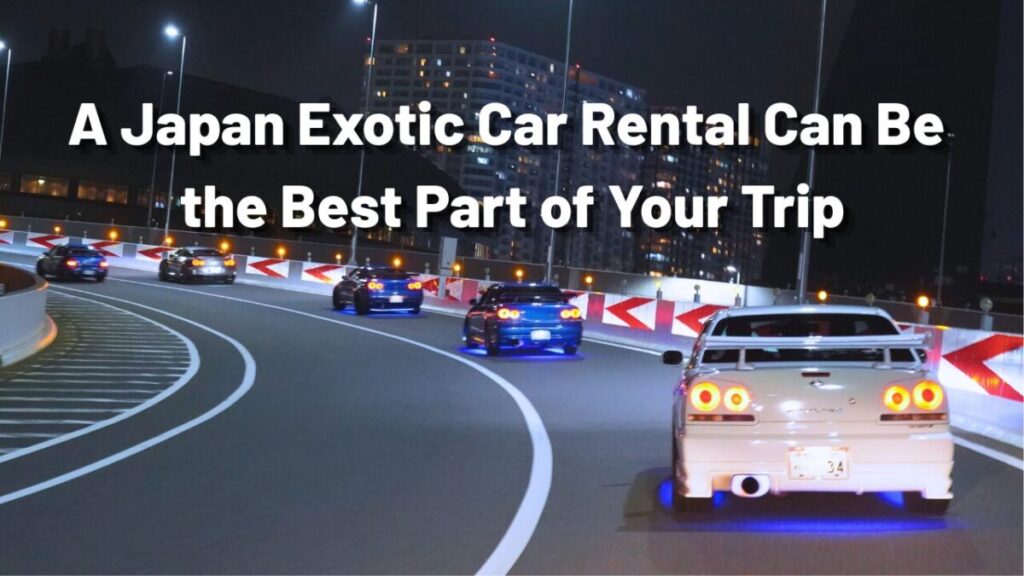
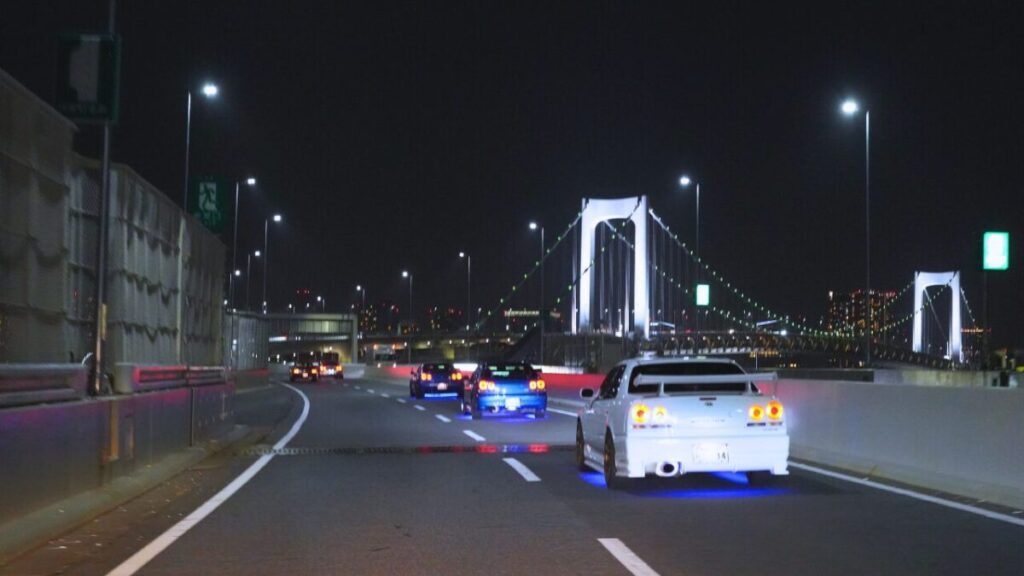
Rantal Skylines on Highway in Tokyo with Rainbow bridge
Japan’s exotic car rental market is quietly, yet steadily, growing among both domestic and international affluent individuals and car enthusiasts. This market goes beyond simply providing transport; it sells “extraordinary experiences” and “dream fulfillment.” Specifically, there is demand from those who want to test drive multiple high-performance cars during a short stay, or those who use the service as a test drive before purchasing.
The Two Major Trends Driving the Market: JDM and Supercars
A significant feature of the Japanese rental market is that the available models are deeply rooted in global trends and Japan’s unique automotive culture.
JDM Legends (Japanese Domestic Market Legends)
Example Models:Nissan GT-R (R35, R34), Honda NSX (First and Current Generation), Toyota Supra (A80, A90), etc. These are icons that represent the pinnacle of Japanese automotive technology and hold especially high value for tourists from abroad. They are frequently searched under the keyword JDM car rental, and their demand continues to rise.
Appeal: Exceptional performance combined with the global brand power as “Legends” established through films and games. The influence of series like “Initial D” and “The Fast and the Furious” is immeasurable.
Global Supercars
Example Models:Ferrari, Lamborghini, McLaren, Porsche, etc. These vehicles are status symbols that fully demonstrate their true value on Japan’s well-maintained expressways and scenic winding roads.
Trend: The market sees rapid introduction of new models, allowing customers to experience the latest technology and design. Although rental prices are high, there is stable demand from customers who prioritize brand prestige.
Differences in Demand by Region
Demand for exotic car rentals is concentrated in major metropolitan areas, particularly Tokyo, Osaka, and areas with high international traffic like Nagoya and Fukuoka. However, in recent years, as demand for driving trips to scenic areas like Mount Fuji, Hakone, and Kyoto has increased, more operators are expanding their service to these regions. For example, in Tokyo, there is high demand for supercars that stand out against the urban landscape, while in Hakone and Izu, JDM sports cars that prioritize driving pleasure tend to be favored.
How to Choose a Reliable Rental Company and Booking Steps
Exotic Car Rental and driving tokyo
To realize your dream of renting an exotic car, selecting a trustworthy partner is paramount. Since these are expensive and specialized vehicles, the selection criteria differ from those for general car rentals.
Key Selection Points for Rental Companies
When choosing a rental company specializing in exotic cars, pay particular attention to the following:
Extensive Vehicle Lineup and Expertise: Confirm they specialize in the category you seek (JDM or Supercars) and possess a large fleet of well-maintained vehicles. Clear, high-quality photos of the vehicles on their website are also an indicator of reliability.
Detailed Insurance and Compensation System: This is one of the most crucial points. Confirm they offer comprehensive vehicle insurance, third-party liability insurance, and a deductible waiver system to cover the high repair costs not typically covered by standard rental insurance. It is absolutely essential to know the vehicle insurance coverage limit and the deductible (CDW: Collision Damage Waiver) in detail beforehand.
Support System in Japanese and English: For foreign visitors, ensure smooth communication is possible in English or their native language, from booking to emergency support.
Clear Rental Conditions and Pricing Structure: Confirm there are no hidden fees or penalties for exceeding mileage limits, and that the services included in the fee (gasoline, ETC card, navigation system, etc.) are clearly specified.
Booking Process and Required Documents
Here are the general steps and necessary preparations for renting an exotic car in Japan.
Vehicle and Date Selection: Check the availability of your desired model on the website and decide on the rental period. Popular models require early booking.
Quotation and Condition Review: Confirm all conditions, including rental fee, insurance costs, deductible, and mileage limits, in detail via document or email.
Preparation of Necessary Documents: Gather the documents legally required to drive a car in Japan.
Driving License: You need a Japanese driving license, or both an International Driving Permit (IDP) based on the Geneva Convention and your home country’s license. The IDP is valid for only one year from the date of landing in Japan.
Passport: Essential as identification for foreign nationals.
Credit Card: Prepare a card with a high limit, as a substantial security deposit may be required.
Contract and Deposit Payment: After understanding and signing the contract, pay a portion or the entirety of the rental fee, along with the security deposit. The deposit is refunded upon the vehicle’s return, provided there are no issues.
[The Hottest Experience] Driving Dream Sports Cars in Japan with JDM TOUR
JDM TOUR
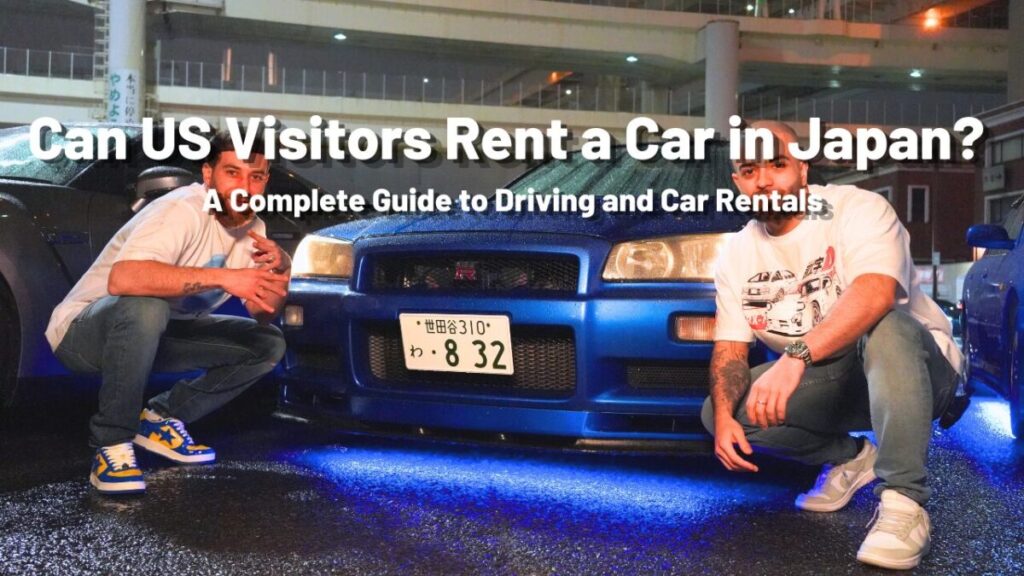
While standard rentals are practical, a new trend has exploded among car enthusiasts visiting Japan: renting “JDM” (Japanese Domestic Market) cars through specialized services like JDM TOUR.
The New Standard of Japan Travel: Public Roads in the Movie
The experience of being able to rent sports car japan is no longer just about driving; it has evolved into an "attraction" that transforms Japan's public roads into a real-life game world. In recent years, an exploding trend among international travelers is enjoying the act of driving through Japanese cities itself as a form of entertainment.
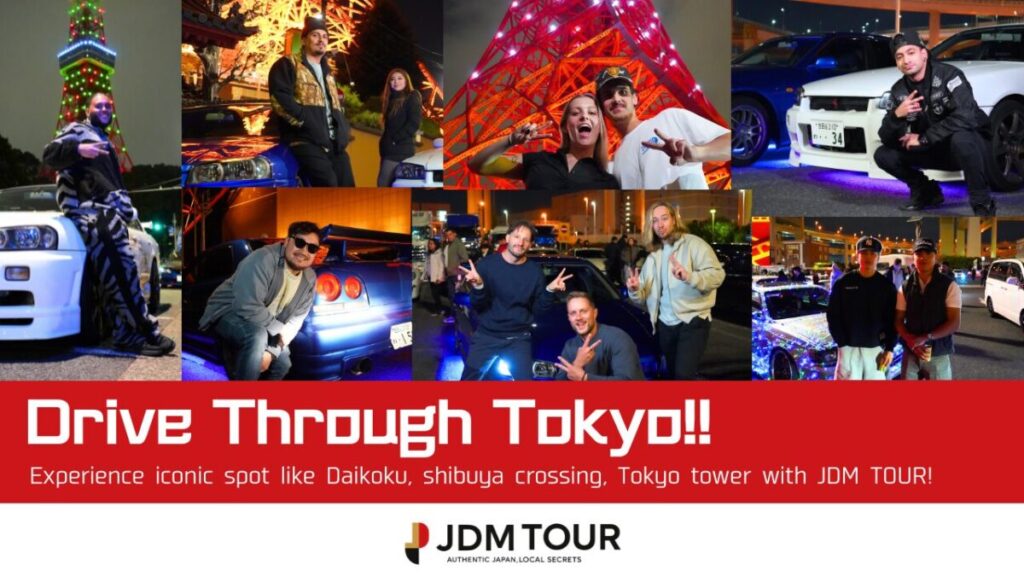
Specifically, commanding JDM machines such as the Nissan GT-R or Toyota Supra against the backdrop of Tokyo’s iconic landmarks is no longer just transportation; it is positioned as a participatory "activity." Just as cosplay driving tours have emerged, this integrated experience of car and city overturns conventional tourism, offering unforgettable, highly shareable memories that light up social media feeds.
This new style of journey, facilitated by exotic car rental tokyo services, has transformed from merely pursuing speed into a means of experiencing unforgettable "play." It allows you to deeply engage with Japan's unique culture and landscapes, creating an adventure that goes beyond traditional sightseeing.
Why is JDM So Popular Right Now?
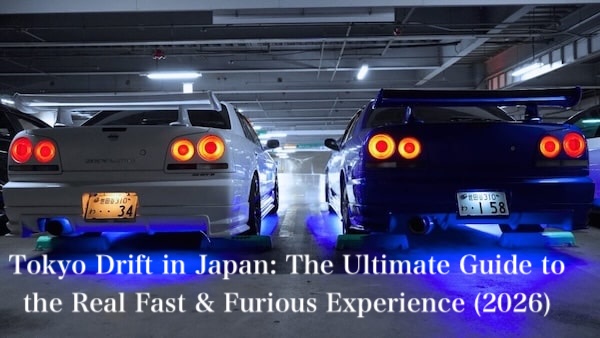
Legendary sports cars manufactured in Japan during the 1990s and early 2000s—such as the Nissan Skyline (R34), icons for fans worldwide. For many, driving these cars on the actual roads they were designed for is a bucket-list experience that surpasses any standard sightseeing tour.
The Unique Charm of a JDM TOUR
JDM TOUR offers more than just a “car rental”; it provides a deep dive into Japanese car culture.
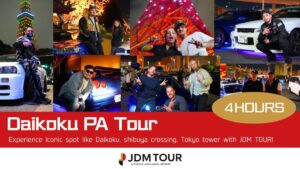
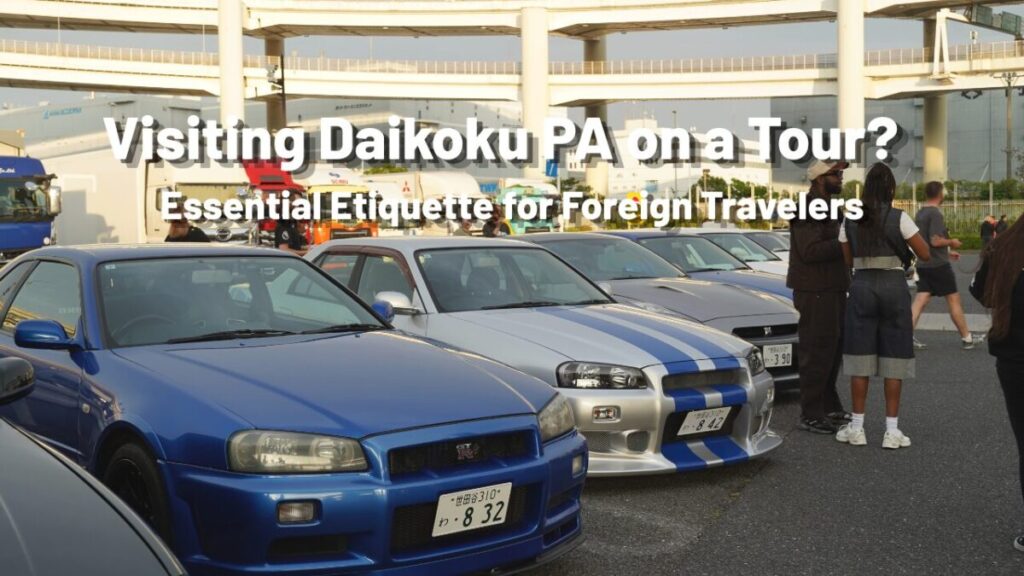
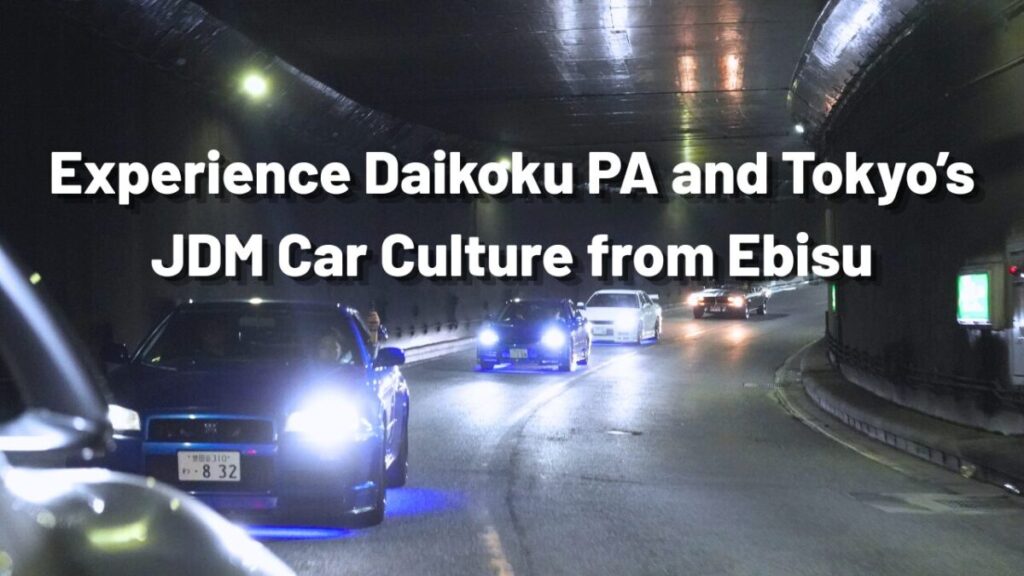
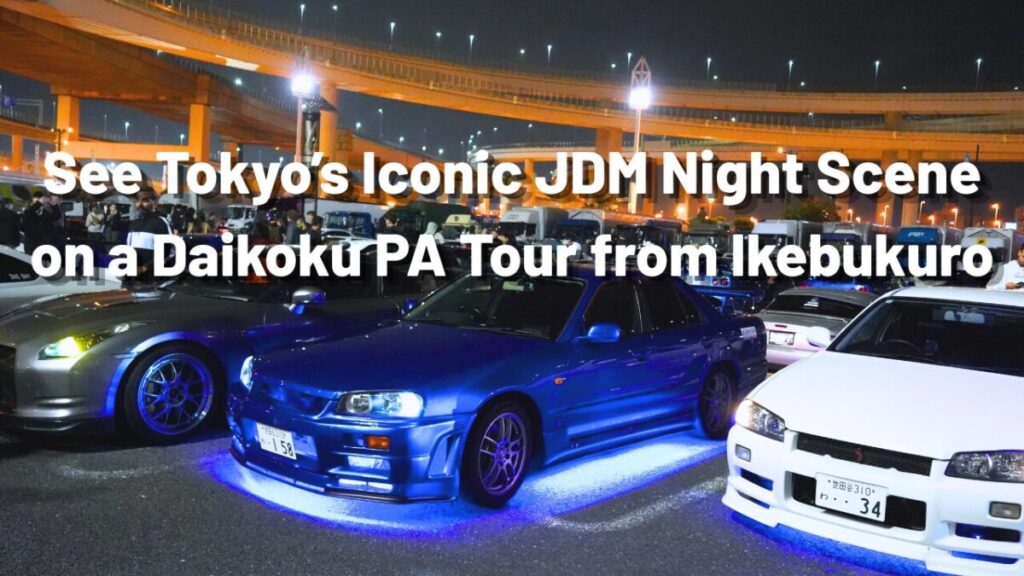
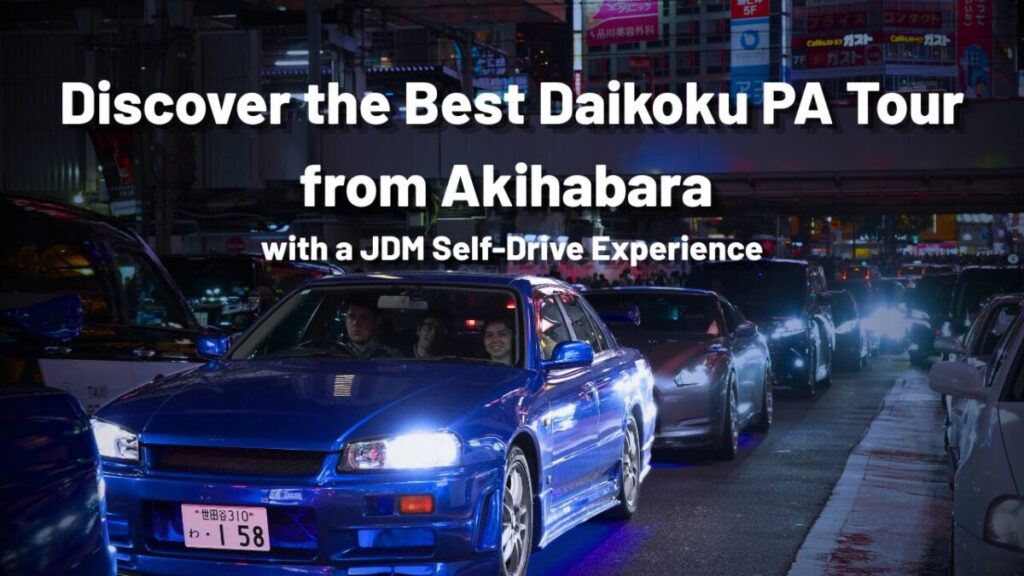
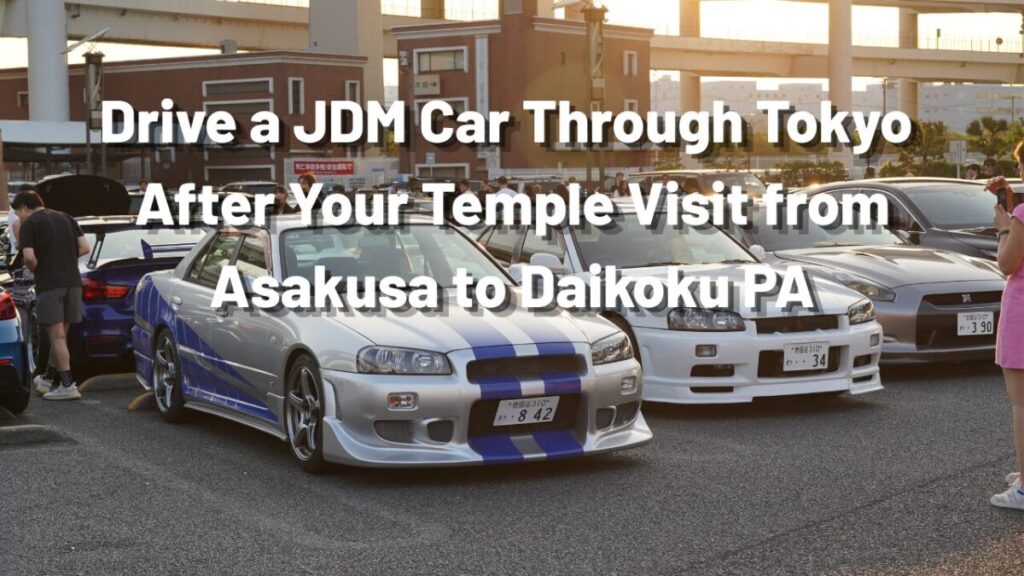
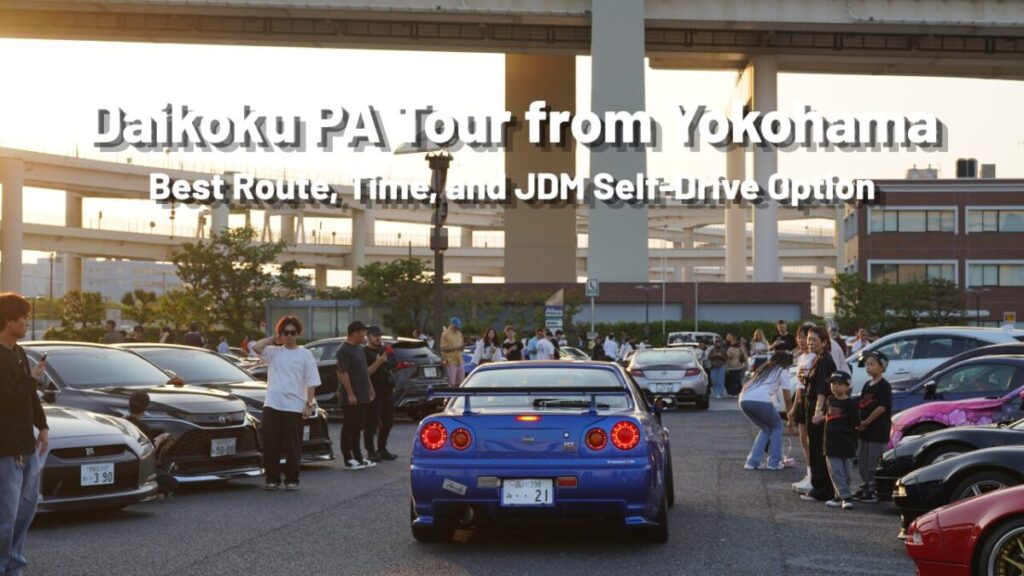
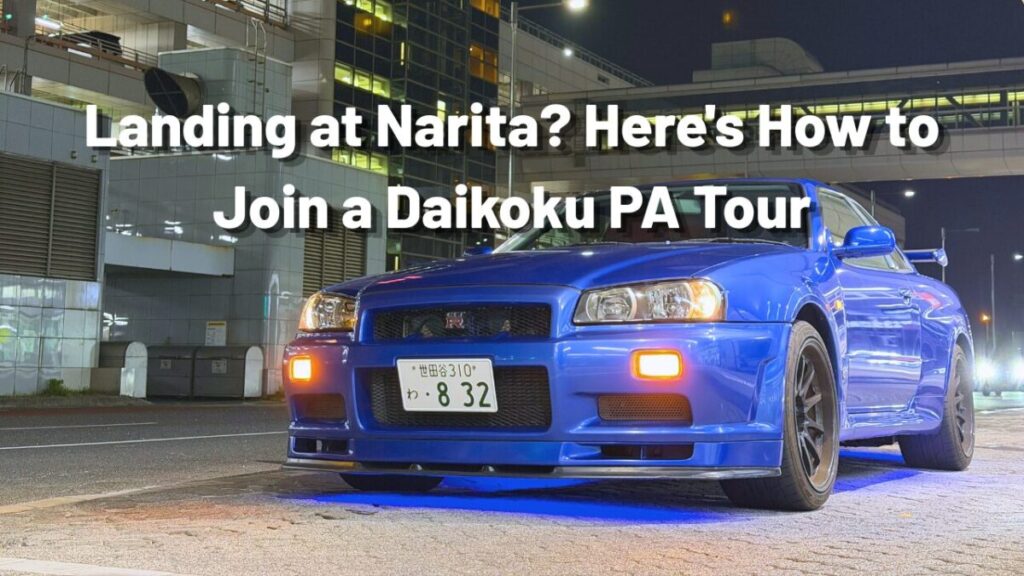
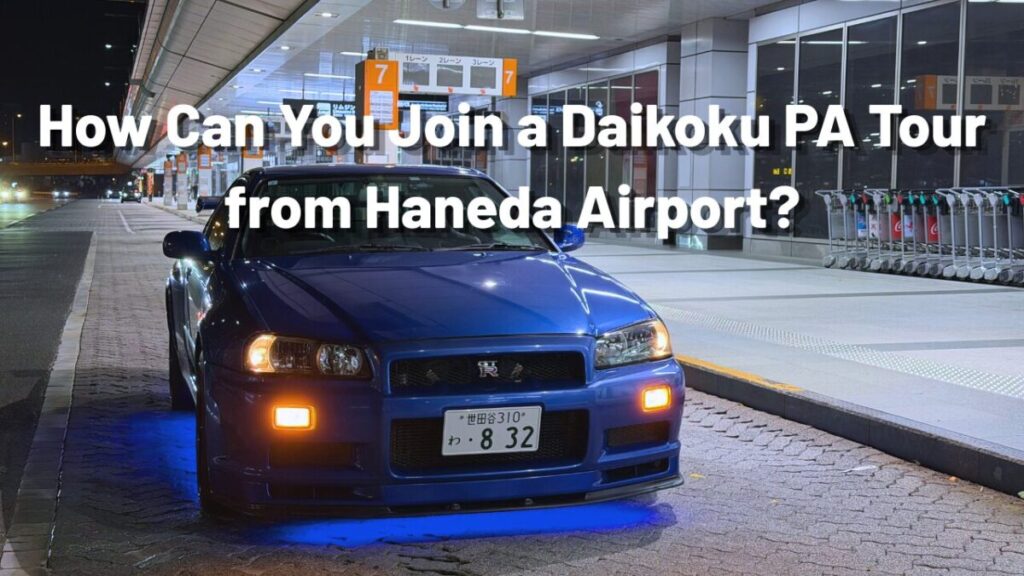
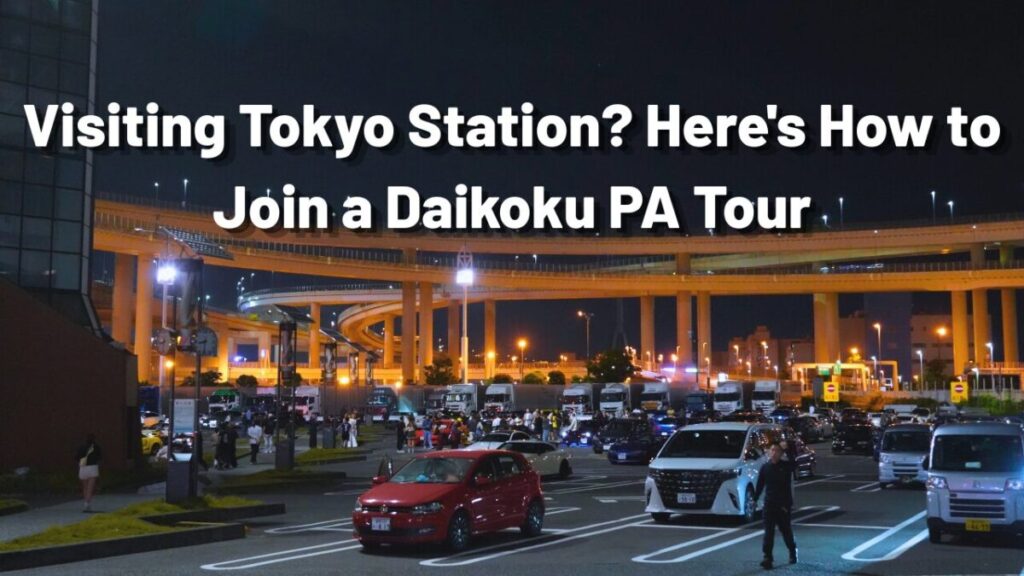
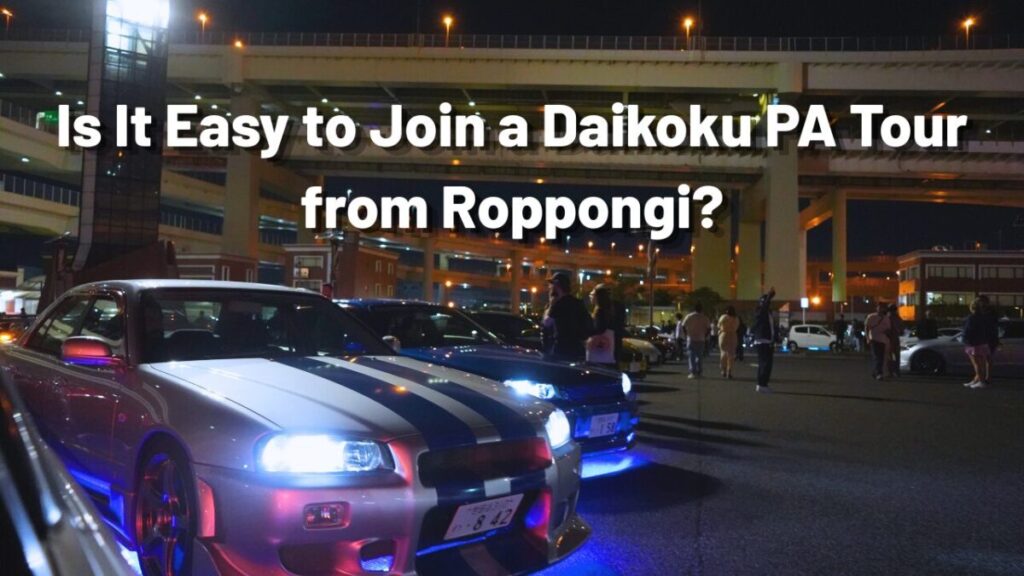
The Pilgrimage to Daikoku PA: The highlight of many tours is driving to the Daikoku Parking Area on the Shuto Expressway. At night, this spot transforms into a gathering place for hundreds of beautifully customized cars, creating a vibrant atmosphere that is world-famous.
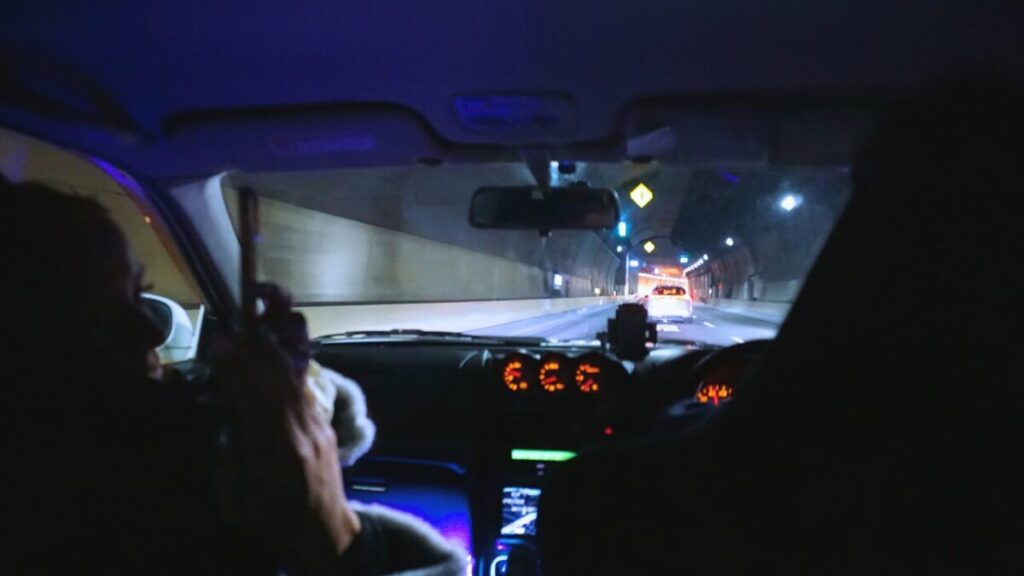
Professional Guided Convoys: Driving a right-hand-drive manual car through the complex Shuto Expressway can be daunting. JDM TOUR offers plans where a professional guide leads the way in a lead car, ensuring you stay on the right path safely.
Photography and Content Creation: The guides know the best “insta-worthy” spots, such as the Shibuya Crossing, Tokyo Tower, and Rainbow Bridge, allowing you to capture professional-quality memories with your dream car.
Representative Rentable Models and Their Characteristics
The exotic cars available for rent in Japan are diverse, but here we will focus on the most popular categories and models, delving into their characteristics.
JDM Icons: The Fusion of Performance and History
Nissan GT-R (R35 model and later)
Characteristic: A world-class sports car nicknamed “Godzilla.” Its appeal lies in its astonishing stability and acceleration, provided by the sophisticated ATTESA E-TS all-wheel-drive system. It is ideal for high-speed, comfortable travel on Japanese expressways.
Driving Experience: The sense of security backed by technology and the sound of the V6 twin-turbo engine, which produces overwhelming acceleration at any speed, are truly the culmination of Japanese engineering.
Honda NSX (NC1 model)
Characteristic: A new-era supercar employing a hybrid system. It combines environmental performance with overwhelming power, a blend of Japanese technology and design.
Driving Experience: A smooth and refined acceleration that sets it apart from traditional sports cars. Its responsiveness at low speeds, utilizing electric motor torque, is particularly noticeable.
Italian Supercars: Passion and Design
Ferrari (e.g., Ferrari 458/488/F8)
Characteristic: The epitome of supercars, known for its crimson body and sensual engine sound. It commands an overwhelming presence, even on Japanese streets.
Driving Experience: The roar of the V8 engine at high revolutions, the sharp steering, and the distinctive head-turning design elevate the rental experience to the extraordinary.
Lamborghini (e.g., Lamborghini Huracán/Aventador)
Characteristic: Characterized by an aggressive and futuristic design. The deep, guttural sound from the low-slung V10/V12 engine brings a sense of tension even to quiet Japanese roads.
Driving Experience: Its wide body requires caution on Japan’s narrow roads, but its stable performance on expressways and the attention derived from its design are unparalleled.
Other Notable Models: European High-Performance Cars
Porsche 911 (e.g., 992 model)
Characteristic: A model that continues to evolve as the ultimate sports car. A rare existence that balances everyday usability with track performance.
Driving Experience: Its ease of driving, high reliability, and handling that feels glued to the road make it ideal for exploring Japan’s complex topography.
Driving Environment in Japan and Precautions for Exotic Cars
Even if you rent a high-performance exotic car, you cannot fully enjoy its potential without understanding Japan’s traffic laws and road environment. Here are key points to keep in mind for a safe and comfortable drive.
Japan’s Traffic Rules and Regulations
Left-Hand Traffic, Right-Hand Drive: Japan adopts the left-hand traffic, right-hand drive system, which is a minority globally. Drivers from right-hand traffic countries must be especially careful when turning right at intersections (crossing oncoming traffic lanes) and changing lanes.
Speed Limits: General roads range from 30 km/h to 60 km/h, and expressways are generally 100 km/h (120 km/h in some sections). While high-performance cars tempt speeding, Japanese police are very strict, and numerous speed cameras (Orbis) are installed.
No Parking and Paid Parking: Street parking is strictly regulated in urban areas, and even short stops can result in penalties. Always use coin parking lots or facility parking. Exotic cars have low ground clearance, so extreme caution is necessary, especially with mechanical parking systems or steep ramps.
ETC (Electronic Toll Collection System): Essential for smooth passage through expressway toll gates. Most rental companies offer ETC card rentals, which should definitely be utilized.
Driving Precautions Specific to Exotic Cars
Low Body Height (Clearance): Supercars are designed with very low ground clearance. Without careful attention to parking stoppers, bumps, steep ramps, and raised road surfaces at construction sites, there is a risk of damaging the bumper or undercarriage.
Vehicle Width and Japanese Roads: European supercars like Ferrari and Lamborghini are wide, making them very difficult to navigate in Japan’s older townscapes and narrow alleyways. If you are not confident in your driving skills, choosing a relatively narrower JDM car is an option.
Clutch Operation (Manual Transmission Cars): While Manual Transmission (MT) rentals are becoming less common, if you opt for one, clutch operation can be tiring in Japan’s congested urban areas. It is wise to choose a vehicle equipped with Automatic Transmission (AT) or Dual Clutch Transmission (DCT).
The Best Driving Routes and Experiences: Adventures on Japan’s Public Roads
A Treasure Trove of Scenic and Winding Roads
Hakone Turnpike (Anest Iwata Turnpike)
Characteristic: A toll road running from Odawara City, Kanagawa Prefecture, through Hakone. The road surface is well-maintained with moderate curves and elevation changes, making it an ideal route for testing the handling and acceleration of a high-performance car. Spectacular views of Sagami Bay and Mount Fuji can be enjoyed from the summit area.
Appeal of the Experience: A sacred ground for car enthusiasts, where the drive itself is the destination. Many car manufacturers and media outlets use it for test drives.
Izu Skyline
Characteristic: A tourist road running along the ridge of the Fuji-Hakone-Izu National Park. It features expansive views on both sides and flowing winding curves.
Appeal of the Experience: Offers a great balance of thrill and scenery. The view in the early morning fog is particularly magical.
Japanese Expressways: The Culture of SA/PA
Characteristic: Japan’s Service Areas (SA) and Parking Areas (PA) are not just rest stops but tourist spots rich with regional gourmet food and souvenirs.
Appeal of the Experience: SA/PAs on the Tomei Expressway, such as Ebina SA, are known gathering spots for exotic and custom cars, offering an opportunity to interact with other enthusiasts.
The Allure of Urban Night Drives
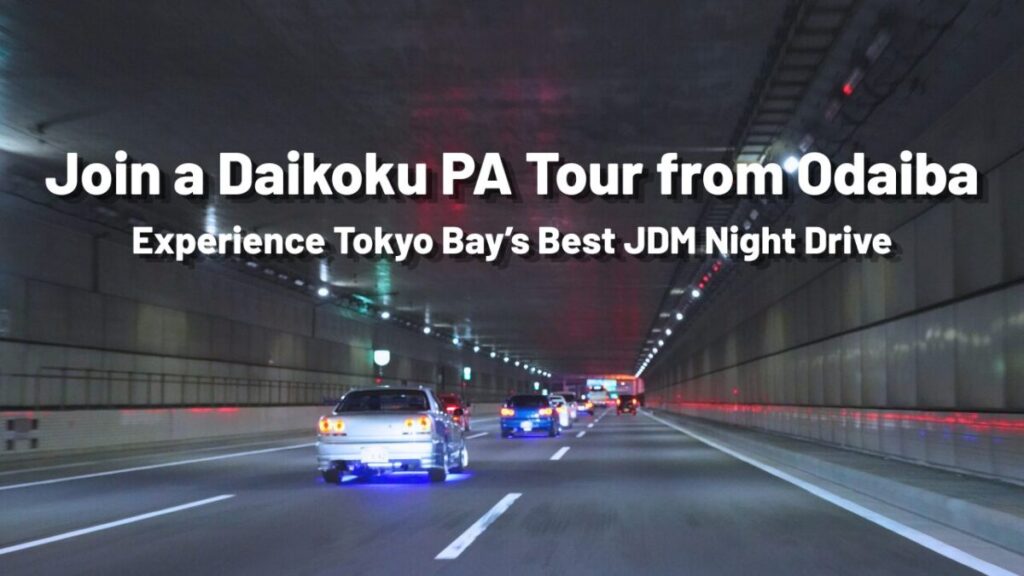
Shuto Expressway (C1, Bayshore Route)
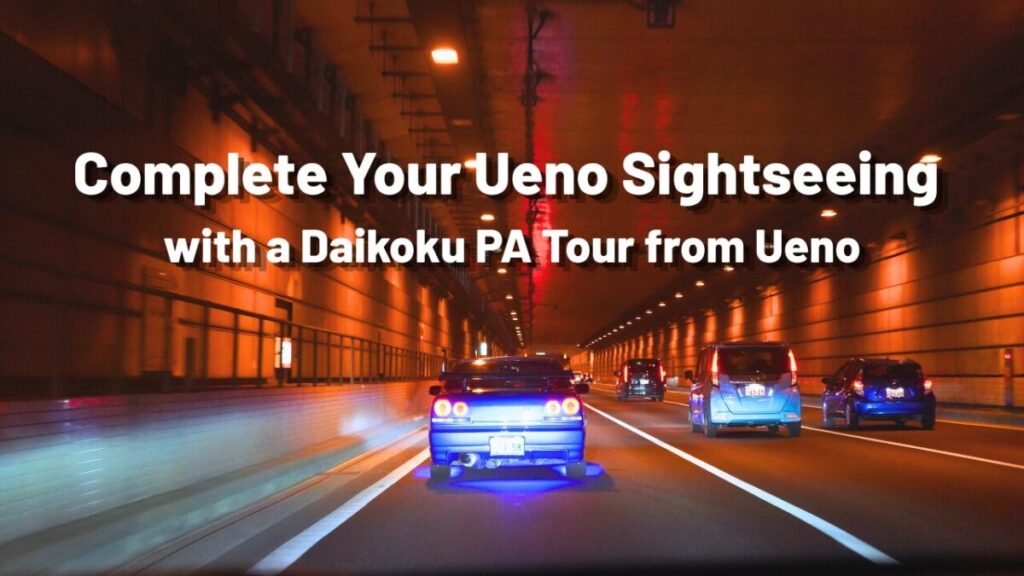
Characteristic: An expressway that winds through the heart of Tokyo. At night, you can enjoy urban views like the illuminated Tokyo Tower and Rainbow Bridge.
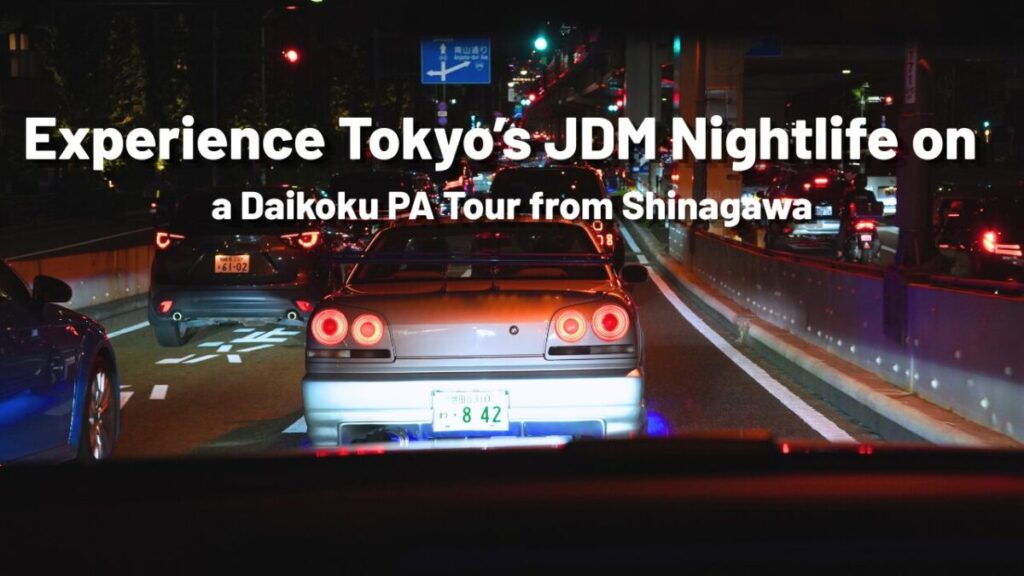
Appeal of the Experience: An iconic route of Japanese automotive culture, once the setting for works like “Wangan Midnight.” The extraordinary sensation of driving a supercar through high-rise buildings is exceptional.
Caution: Traffic can be heavy, so night or early morning use, avoiding weekday daytime hours, is recommended.
Tips and Tricks for a Successful Exotic Car Rental
Thorough Preparation and Planning
Check the Weather Forecast: Bad weather, especially snow or heavy rain, makes driving high-performance cars difficult. Since sports tires are sensitive to road condition changes, either build flexibility into your driving schedule or choose days with good weather.
Optimize the Rental Period: Demand is high on weekends and holidays, and prices tend to increase. Consider renting on weekdays if possible. Also, renting for two or more days instead of a single day often results in a lower daily cost.
Fuel Efficiency and Fuel Type: Supercars require high-octane gasoline (premium gasoline). Fuel consumption is very poor, so factor fuel costs into your budget and confirm the location of gas stations beforehand.
Maintenance and Safety Considerations
Thorough Inspection Upon Vehicle Collection: When picking up the vehicle, check meticulously for scratches, dents, and scuffs on the wheels, and record them on a checklist with the rental company staff. Recording with photos or videos is also recommended to prevent minor oversights from leading to high charges.
Engine Warm-Up: It is strictly forbidden to rev high-performance engines immediately after starting. Drive gently until the water and oil temperatures reach appropriate levels.
Tire Pressure Check: Visually confirming the tire pressure is adequate before driving is also essential for a safe journey.
Post-Rental Experience Sharing and Community
Exotic car rental is not just about driving; it provides opportunities to share experiences and connect with new communities.
Sharing on Social Media: In the modern age, photos combining beautiful cars with Japanese scenery are powerful content. By sharing your experience on Instagram or YouTube using hashtags (e.g., #JapanExoticCarRental, #JDMCar), you can deepen engagement with other enthusiasts.
Participating in Car Meets: Various car meets are held across Japan on weekends. As long as you are driving the car, even if rented, you are a legitimate enthusiast. Researching and attending one can be a valuable opportunity to experience Japanese car culture. For example, Daikoku Parking Area (PA) is a famous spot where a wide variety of cars gather on weekend nights.
Subscribing to Specialty Magazines and Gathering Information: Japanese automotive magazines and websites (e.g., Response.jp, Car Watch, etc.) are rich with the latest trends, custom information, and proposed driving routes.
In this article, under the theme of “japan exotic car rental,” we have provided detailed information necessary to rent a high-performance car in Japan—from JDM sports cars to global supercars—and fully experience their appeal.
Japan’s exotic car rental market is truly a gateway to dreams for passionate domestic and international car enthusiasts who wish to experience high-performance vehicles for a short period. Feeling the refined power of a Nissan GT-R on the Shuto Expressway, or hearing the passionate sound of a Ferrari echo in the Hakone mountains—this experience is an adventure that stimulates all the senses, something a simple sightseeing trip cannot provide.
The key to success lies in selecting a reliable rental company and, especially, having a thorough understanding of the insurance and compensation system. Furthermore, deeply respecting Japan’s driving environment of left-hand traffic and right-hand drive, and strictly adhering to speed limits, are the prerequisites for a safe and comfortable drive.
Premier driving routes like the Hakone Turnpike and Izu Skyline offer the perfect opportunity to test the true value of your rental car, while the night drive on the Shuto Expressway will engrave unforgettable memories along with the surreal cityscape.
Japan’s public roads are one of the best stages coveted by drivers worldwide. Having finished this article, you are ready to take the next step and grip the wheel of your dream. Now, start your own exotic car adventure on the refined roads of Japan.